A thoughtfully designed Rajasthan 14 days itinerary allows travellers to experience the state in its full geographical and cultural depth. Rajasthan is not a compact destination that can be rushed through in a few days. It is a vast royal landscape where every city reflects a different chapter of Rajput history, desert ecology and architectural brilliance. Attempting to compress it into a shorter journey often leads to fatigue and missed experiences. Fourteen days create a rhythm that balances exploration and comfort.
This carefully structured Rajasthan travel circuit blends iconic heritage cities, desert experiences and wildlife safaris into a seamless route. The journey typically flows from Jaipur to Jodhpur, onward to Jaisalmer, then south toward Udaipur, and finally east to Ranthambore. This geographic flow avoids unnecessary backtracking and ensures road travel remains manageable.
The beauty of a two-week journey lies in pacing. You are not simply ticking monuments off a list. You have time to sit in palace courtyards, watch sunset from fort ramparts, experience a desert night under open skies and wake up early for a Ranthambore tiger safari without feeling rushed. Each destination becomes an immersive chapter rather than a rushed stopover.
The purpose of this detailed Rajasthan 2 week itinerary is to guide travellers who want depth, comfort and a well-balanced blend of architecture, culture, desert and wildlife within a single journey.
Jaipur serves as the ideal introduction to Rajasthan. As part of any serious Rajasthan heritage itinerary ,Jaipur deserves at least two full days to appreciate its layered architecture and cultural vibrancy. Built with scientific planning principles, Jaipur’s symmetrical layout distinguishes it from other historic Indian cities.
Amber Fort stands as the architectural highlight. Located on a hill overlooking Maota Lake, the fort showcases intricate mirror work, courtyards and panoramic views. Morning visits offer better light and fewer crowds, allowing travellers to absorb its artistic details fully. The Sheesh Mahal inside Amber Fort reflects the sophistication of Rajput craftsmanship.
The City Palace complex in central Jaipur blends Mughal and Rajput styles. Its museums preserve royal garments, weapons and ceremonial artefacts, giving insight into the region’s aristocratic legacy. Hawa Mahal, with its iconic honeycomb façade, remains one of the most photographed monuments in India.
Beyond monuments, Jaipur’s bazaars bring the city alive. Johari Bazaar for jewellery, Bapu Bazaar for textiles and Tripolia Bazaar for traditional crafts provide authentic local interaction. Experiencing traditional Rajasthani cuisine further enriches the visit. Jaipur sets the foundation of the
Rajasthan forts and palaces tour, introducing royal grandeur before the journey moves deeper into desert terrain.
Explore the best of Rajasthan with a well-crafted 2-week itinerary covering royal palaces, desert landscapes, vibrant cities, and cultural experiences. We help you customize every detail for a smooth and unforgettable trip.
Jodhpur presents a dramatic shift in visual character. Dominated by the towering Mehrangarh Fort, the city unfolds below in shades of indigo. Spending two nights here allows travellers to understand why Jodhpur remains central to any comprehensive Rajasthan cultural circuit.
Mehrangarh Fort is not merely a monument; it is a fortified complex with palaces, courtyards and galleries narrating centuries of Rajput history. From its ramparts, the sweeping view of blue houses creates one of Rajasthan’s most iconic landscapes. The fort’s sandstone walls glow warmly during late afternoon, offering a different mood compared to Jaipur’s pink palette.
Jaswant Thada, a white marble cenotaph near the fort, offers a tranquil setting overlooking a small lake. Exploring the old town lanes reveals hidden stepwells, temples and bustling spice markets. Jodhpur bridges Rajasthan’s regal past with desert resilience.
Within a structured Rajasthan road trip itinerary, Jodhpur acts as the transitional gateway between eastern royal cities and the deeper western desert regions. Its architecture, cuisine and atmosphere create a powerful mid-journey highlight.
Jaisalmer introduces travellers to the vastness of the Thar Desert safari experience. Known as the Golden City, its yellow sandstone buildings reflect sunlight in warm golden hues. The living Jaisalmer Fort remains inhabited, with shops and residences inside its walls, creating an immersive historical atmosphere.
Exploring Patwon Ki Haveli and Nathmal Ki Haveli reveals intricate façade carvings that reflect merchant wealth during ancient trade routes. Gadisar Lake offers scenic respite within the arid landscape.
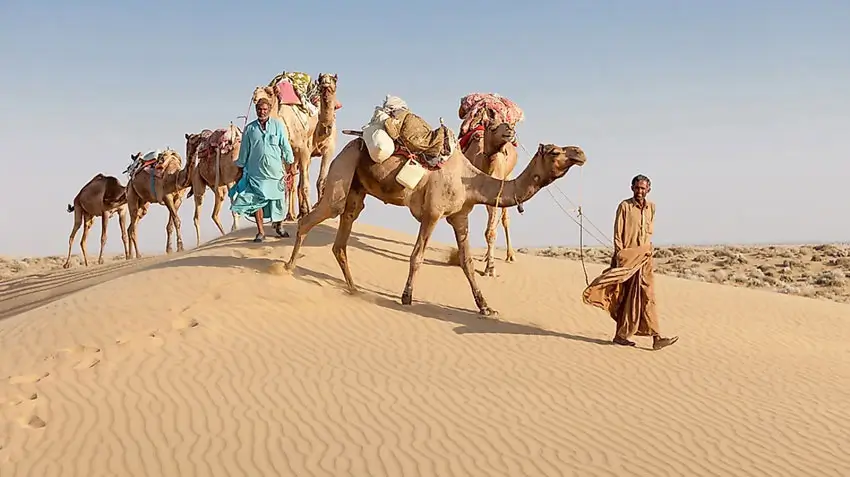
The highlight of this segment in the Rajasthan 14 days itinerary is the desert excursion to Sam Sand Dunes. Spending a night at a desert camp introduces camel rides across rolling dunes, traditional folk performances and dinner under open skies. Watching sunset over the dunes creates a surreal visual memory that differs entirely from the fort architecture seen earlier in the journey.
Jaisalmer expands the itinerary beyond heritage into experiential desert living, ensuring the overall travel circuit includes Rajasthan’s ecological diversity alongside architectural richness.
Udaipur brings a dramatic contrast after desert landscapes. Surrounded by hills and lakes, it is often considered the most visually romantic destination in Rajasthan. Including Udaipur ensures the itinerary remains balanced and not overly desert-focused.
The City Palace overlooking Lake Pichola showcases marble balconies, courtyards and museum collections narrating the Mewar dynasty’s legacy. A boat ride across Lake Pichola provides iconic views of Lake Palace and Jag Mandir, floating gracefully on the water.
Saheliyon Ki Bari gardens introduce greenery and fountains, offering relief after arid terrain. Narrow lanes near Jagdish Temple provide artisan shops featuring miniature paintings and handicrafts.
Within a complete Rajasthan luxury travel plan, Udaipur offers opportunities for heritage hotel stays and lakeside dining experiences. Its scenic beauty softens the intensity of earlier desert segments, ensuring the two-week journey flows naturally from rugged terrain to refined elegance.
Turn your Rajasthan trip into a complete experience with a thoughtfully planned 14-day journey. From historic forts and royal palaces to desert adventures and local culture, we design itineraries that balance comfort, exploration, and unforgettable moments.
The final segment of this Rajasthan 14 days travel itinerary introduces wildlife immersion. Ranthambore National Park is one of India’s premier tiger reserves. Adding Ranthambore ensures the journey does not remain limited to architecture but embraces Rajasthan’s ecological side.
Early morning and evening safaris provide opportunities to observe tigers, deer, crocodiles and birdlife within dry deciduous forest terrain. The presence of ancient ruins inside the park adds historical drama to wildlife viewing, creating a rare blend of heritage and wilderness.
Multiple safaris increase the probability of sightings. The landscape changes throughout the day, offering varied photographic conditions. Ranthambore adds unpredictability and excitement to the final chapter of the journey.
Incorporating wildlife completes the narrative arc of the complete Rajasthan forts, desert and wildlife circuit, ensuring travellers experience Rajasthan’s full spectrum.
Travellers seeking customized planning, private vehicle arrangements, safari reservations or tailored hotel recommendations for this comprehensive Rajasthan journey may consult Royal Rajasthan Travels. For personalized itinerary assistance or expert travel guidance, you can connect directly with Vikas Khabrani at +91-9414046260 or write to info.royalrajasthan@gmail.com. Professional coordination ensures seamless execution of this extended Rajasthan exploration.
Yes, two weeks allow balanced exploration without rushing between cities.
It can be modified, but reducing days may limit immersive experiences.
Including wildlife adds ecological depth and variety to the journey.
Private car with driver ensures comfort and flexibility.
Reputed camps provide modern amenities with authentic ambience.
Yes, Udaipur offers premium heritage and lake-facing hotels.
Peak seasons attract more visitors, but early visits help manage crowds.
Yes, it suits families, couples and small groups.
Two nights allow fort exploration and desert camp experience.
Yes, especially during high travel season for hotels and safaris.