
Udaipur-Chittorgarh-Kota-Jaipur
Hidden Beauty of Rajasthan
7 Nights / 8 Days
Rajasthan is not just about forts, palaces and deserts. It is a living landscape of color, music, dance and centuries-old rituals. Throughout the year, festivals bring the state’s cultural identity to life through public processions, devotional ceremonies, folk performances, seasonal traditions and regional fairs.
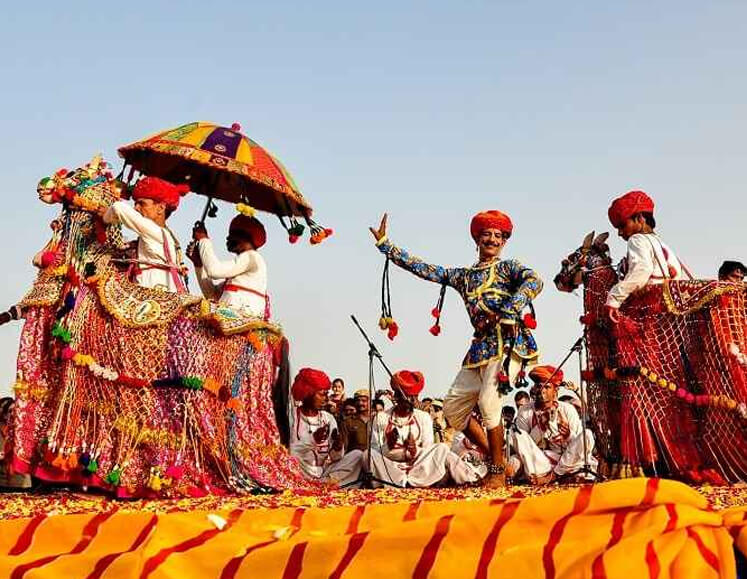
Travelers can watch decorated camels at Pushkar, listen to folk music beneath Jaisalmer’s desert sky, see Jaipur’s rooftops fill with kites or witness Gangaur processions in Jaipur and Udaipur. These celebrations offer a closer view of Rajasthani culture, but they are also living traditions that should be experienced with patience and respect.
This guide covers the best cultural festivals of Rajasthan, including their significance, major attractions, usual season, suitable destinations and practical travel advice. Exact dates can change each year because many festivals follow lunar calendars or annual government schedules. Always confirm the dates with Rajasthan Tourism before making non-refundable bookings.
| Festival | Main destination | Usual period | Known for |
| Bikaner Camel Festival | Bikaner | January | Camel culture and folk performances |
| Kite Festival | Jaipur | Around 14 January | Rooftop kite flying and local food |
| Desert Festival | Jaisalmer | January or February | Desert traditions and cultural shows |
| Braj Holi Festival | Bharatpur region | Before Holi | Krishna traditions and devotional Holi |
| Holi and Dhulandi | Jaipur, Pushkar and other cities | February or March | Colors and organized celebrations |
| Gangaur Festival | Jaipur and across Rajasthan | March or April | Processions and worship of Gauri |
| Mewar Festival | Udaipur | March or April | Lakefront processions and spring culture |
| Rajasthan Day | Jaipur and statewide | Around 30 March | State heritage and performances |
| Summer Festival | Mount Abu | May | Hill-station culture and outdoor events |
| Teej Festival | Jaipur | July or August | Monsoon procession and women’s traditions |
| Kajli Teej | Bundi | July or August | Regional procession and fair atmosphere |
| Marwar Festival | Jodhpur region | September or October | Heroic ballads and Marwar culture |
| Pushkar Camel Fair | Pushkar | October or November | Pilgrimage, livestock and rural traditions |
| Kumbhalgarh Festival | Kumbhalgarh | Usually late in the year | Fort setting, music and dance |
| Diwali | Jaipur and statewide | October or November | Illuminated markets and family rituals |
Held in the sacred town of Pushkar, the Pushkar Fair is one of Rajasthan’s best-known cultural gatherings. It developed around livestock trading and the religious importance of Kartik Purnima, when pilgrims visit Pushkar Lake and its ghats.
The fair now combines rural commerce, pilgrimage and visitor-focused cultural programming. Depending on the annual schedule, travelers may see camel and livestock activity, folk music, dance, sporting competitions, handicraft markets and public ceremonies. The religious and commercial parts of the fair do not always peak on the same day, so visitors should check the detailed program rather than booking only around a generic November date.
Key highlights
Best time and planning advice
The fair generally takes place around Kartik Purnima in October or November. Pushkar’s limited accommodation fills quickly, and prices can rise sharply. Reserve the hotel and vehicle early, but confirm the official dates before paying a non-refundable rate.
Pushkar is a pilgrimage town. Remove shoes where required, do not photograph bathing rituals without permission and follow the rules around the lake and temples.
The Jaisalmer Desert Festival is a tourism-led celebration of the traditions associated with the Thar Desert. Rajasthan Tourism describes it as a multi-day event held around January or February, with cultural programming in and around Jaisalmer.
The festival may include folk singing, Gair and Kalbelia dance, camel-related events, turban competitions, puppetry and public performances. Some activities take place in the city, while others may be organized closer to the dunes. The exact venue list changes, so a desert-camp booking does not automatically include admission or transport to every official event.
Why attend
Best time and planning advice
The festival is usually scheduled in January or February. Book Jaisalmer accommodation and a reliable vehicle well ahead of the event. Ask whether your hotel or camp is inside the city, near Sam Sand Dunes or elsewhere, because travel times differ.
Winter nights can be cold even when the afternoons are sunny. Carry a warm layer and allow extra time for traffic around major performances.
Gangaur is celebrated across Rajasthan and is especially visible in Jaipur and Udaipur. The festival honors Gauri, a form of Goddess Parvati, and is associated with marriage, devotion, fertility and household well-being.
Women decorate images of Gauri, sing traditional songs and participate in rituals over several days. In Jaipur, a public procession traditionally moves through parts of the old city with palanquins, musicians and performers. Smaller family and neighborhood observances remain central to the festival and should not be treated as tourist entertainment.
Cultural highlights
Best time and planning advice
Gangaur generally falls in March or April after Holi. In Jaipur, road closures and dense crowds can affect access to the old city. Arrange a pickup point away from the procession route and arrive early if you want a reasonable viewing position.
Ask before taking close portraits or photographing private rituals. Public visibility does not remove a participant’s right to privacy.
Teej welcomes the monsoon and is associated with Goddess Parvati and her union with Lord Shiva. Jaipur hosts the state’s best-known public celebration, including a traditional Teej Mata procession through the historic city.
Women may fast, wear green clothing, apply mehendi and gather for songs and swings. Markets fill with bangles, sweets and seasonal decorations. The public procession can include a decorated palanquin, folk performers and traditional attendants, subject to the annual program.
What to expect
Best time and planning advice
Teej falls in July or August. Rain, humidity and road diversions can affect the schedule, so keep transport flexible. Carry water and rain protection, but avoid large umbrellas inside dense crowds.
The festival is rooted in women’s religious and family traditions. Visitors should observe respectfully rather than interrupting prayers or requesting staged photographs.
The Mewar Festival in Udaipur is closely connected with Gangaur and the arrival of spring. It is known for processions through the old city and ceremonial activity around Lake Pichola.
Women carry decorated images toward the lake, accompanied by music and community participation. Tourism programming may add folk performances, cultural shows and other public events. The lake, ghats and palace backdrop make this one of Rajasthan’s most visually distinctive spring festivals.
Unique features
Best time and planning advice
The festival generally falls in March or April. Old-city lanes can become congested, and cars may not reach the closest viewing areas. Choose a centrally located hotel or arrange a driver who understands the temporary access restrictions.
Do not promise fireworks or a fixed procession route unless the annual official program confirms them.
The Marwar Festival celebrates the history, music and storytelling traditions of the Jodhpur region. Folk singers perform ballads associated with local heroes, while dancers and competitions create a wider public celebration of Marwar culture.
Programs can use multiple venues in and around Jodhpur, including prominent city spaces and, in some years, desert locations such as Osian. It should not be described as taking place only near Mehrangarh Fort unless the current schedule confirms that venue.
Main attractions
Best time and planning advice
The festival is generally held in September or October. Daytime weather can remain warm, while evenings are more comfortable. Confirm whether the day’s events are in central Jodhpur or outside the city before arranging transport.
The Bikaner Camel Festival celebrates the camel’s historical role in desert transport, rural livelihoods and regional identity. It offers a more compact alternative to Pushkar and the Jaisalmer Desert Festival.
Depending on the official program, visitors may see camel decorations, folk performances, competitions, processions and cultural shows. Bikaner’s Junagarh Fort, old neighborhoods and nearby desert landscape make it easy to combine the festival with conventional sightseeing.
Reasons to attend
Best time and planning advice
The festival is commonly held in January. Winter mornings and evenings can be cold, so pack layers. Animal-related programming may change from year to year.
Avoid participating in activities where animals appear injured, distressed, overloaded or forced to perform. Observe from behind official barriers and follow local safety instructions.
Around Makar Sankranti, Jaipur’s rooftops fill with families and groups flying colorful kites. The celebration is woven into neighborhood life, with music, friendly competition and seasonal foods such as til sweets and ghevar.
The most memorable experience is often on a safe private rooftop with a local host or hotel. Official tourism programming may also be announced, but the venue can change. Do not promise that an International Kite Festival will take place at Jal Mahal every year without checking the current schedule.
Experience it safely
Best time
Makar Sankranti is generally celebrated around 14 January. Rooftop access is often private, so arrange it through a reputable hotel, host or travel planner rather than entering an unknown building.
Holi takes different forms across Rajasthan. Jaipur may host organized Dhulandi programming, Pushkar is known for lively public color celebrations, and Udaipur combines Holika Dahan traditions with palace and neighborhood events.
Travelers should distinguish Rajasthan’s Braj Holi programming around Bharatpur from Barsana, which is in Uttar Pradesh. The previous article’s reference to “village celebrations around Barsana and Pushkar” should be corrected if the guide is meant to cover Rajasthan.
Special experiences
Safety and etiquette
Join an organized event or celebrate with a trusted host. Use skin-safe colors, protect your eyes and phone, avoid accepting open drinks from strangers and arrange the return journey before festivities begin.
Do not include “Elephant Holi” as a recommendation. The historical Jaipur Elephant Festival and commercial elephant activities should not be presented as a confirmed current annual event without official scheduling and independent animal-welfare verification.
The Braj Holi Festival reflects the Krishna traditions associated with the wider Braj cultural landscape. Rajasthan Tourism describes it as a two-day celebration during the Shukla Paksha of the Phalgun month.
Programs may include devotional music, dance, temple-linked traditions and regional forms of Holi. It is a useful addition for travelers following a Jaipur, Bharatpur and Agra route, but the exact venues and schedule should be confirmed annually.
Best for
Planning advice
Confirm the city, venue and procession timing before departure. Bharatpur can also be combined with Keoladeo National Park, but festival traffic and holiday hours may affect the day’s plan.
Rajasthan Day is observed around 30 March and commemorates the formation of the state. Jaipur commonly hosts cultural performances and heritage-focused programming, while other districts may organize their own events.
The festival is useful for travelers who want a broad presentation of Rajasthan’s regional arts in one trip. The program may feature folk musicians, dancers and cultural groups representing different parts of the state.
Why include it
Wait for the official annual program before booking around one specific venue or performance.
Kajli Teej in Bundi offers a smaller-city counterpart to Jaipur’s Teej celebrations. The event is associated with a traditional procession, local fair atmosphere and monsoon-season culture.
Bundi’s fort, stepwells, blue-painted lanes and surrounding hills provide a distinctive setting. The festival works well for travelers combining Bundi with Kota, Chittorgarh or Ranthambore.
What travelers may experience
Best time and planning advice
Kajli Teej generally falls in July or August. Rain can affect roads and outdoor programming, so avoid a tightly timed itinerary. Confirm late-evening transport because local availability may be limited.
The Kumbhalgarh Festival brings music, dance and cultural programming to the setting of Kumbhalgarh Fort. The contrast between the large hill fort and evening performances makes it especially attractive to heritage travelers and photographers.
Annual programs may include folk dance, classical performance, traditional competitions and daytime cultural activities. Exact timings, entry arrangements and venues within the fort complex can change.
Why attend
Planning advice
Kumbhalgarh has fewer transport options than Jaipur or Udaipur. Pre-arrange a vehicle and avoid driving unfamiliar rural roads late at night. Carry a warm layer for evening programs.
The Summer Festival in Mount Abu offers a different Rajasthan experience. Instead of desert plains, travelers find a hill-station setting, Nakki Lake and cooler temperatures than many lowland cities.
Tourism programming can include folk performances, competitions, cultural processions and activities around the town. The exact schedule varies, so verify the official dates and venue list.
Best for
The festival is generally associated with May, but the official annual calendar should determine the final itinerary.
Diwali, or Deepavali, is celebrated across Rajasthan. Jaipur is especially known for illuminated market areas and decorative lighting, while temples, homes and businesses throughout the state hold their own rituals.
For residents, Diwali is primarily a family and religious festival rather than a public show. Travelers can enjoy the decorated streets and markets while respecting private Lakshmi Puja ceremonies and residential spaces.
Must-see moments
Safety and planning advice
Traffic, smoke and noise can be intense. Travelers with asthma, sound sensitivity or young children should choose a quieter hotel and keep medication available. Do not promise formal firework shows, since rules and local restrictions can change.
Diwali follows the lunar calendar and usually falls in October or November. Book popular Jaipur and Udaipur hotels early.
What happened to Jaipur’s Elephant Festival?
Older Rajasthan travel guides often list an Elephant Festival in Jaipur before Holi. The event has faced discontinuation and animal-welfare concerns, and it should not be promoted as a dependable annual festival unless Rajasthan Tourism confirms it for the relevant year.
Do not replace the festival with an automatic endorsement of a commercial elephant attraction. Claims such as “ethical,” “rescue” or “no cruelty” require current independent evidence. Travelers concerned about animal welfare can choose craft workshops, folk performances, heritage walks and other animal-free cultural activities.
| Travel interest | Recommended festivals |
| Desert scenery | Desert Festival, Bikaner Camel Festival |
| Folk music and dance | Desert Festival, Marwar Festival, Kumbhalgarh Festival |
| Religious procession | Gangaur, Mewar Festival, Teej |
| Rural fair culture | Pushkar Fair |
| Photography | Pushkar Fair, Gangaur, Kite Festival, Desert Festival |
| Family-oriented organized events | Kite Festival, Rajasthan Day, Summer Festival |
| Smaller-city setting | Kajli Teej, Kumbhalgarh Festival |
| Spring travel | Holi, Gangaur, Mewar Festival, Rajasthan Day |
| Monsoon travel | Teej and Kajli Teej |
Cultural immersion: Festivals reveal living rituals, music and regional traditions.
Photography: Processions, textiles, architecture and landscapes create strong visual opportunities.
Local interaction: Organized events can make regional culture more accessible to visitors.
Food and shopping: Seasonal sweets, craft stalls and local markets become part of the experience.
Better context: A guide can explain the religious or historical meaning behind what visitors see.
Memorable routes: Festival dates can shape an itinerary around Jaipur, Pushkar, Jodhpur, Jaisalmer, Bikaner, Bundi or Udaipur.
Three to six months ahead: Pushkar Fair, Desert Festival, Diwali in Jaipur and premium heritage hotels
One to three months ahead: Gangaur, Teej, Marwar Festival and Bikaner Camel Festival
After official schedules are released: Event tickets, viewing arrangements and venue-specific transport
These are planning guidelines, not guarantees. Check cancellation conditions and confirm the property’s distance from the actual venue before paying.
Four days for Pushkar Fair
Day 1: Arrive in Jaipur and explore the old city
Day 2: Drive to Pushkar and visit the lake area respectfully
Day 3: Attend fair activities and scheduled cultural events
Day 4: Visit Ajmer if desired, then return to Jaipur or continue to Jodhpur
Four days for Desert Festival
Day 1: Arrive in Jaisalmer and visit the fort area
Day 2: Attend city-based festival programming
Day 3: Follow the official program and visit the desert area
Day 4: Depart or continue toward Jodhpur
Six days for Gangaur and Mewar Festival
Days 1 and 2: Jaipur sightseeing and Gangaur activities, subject to dates
Day 3: Travel to Udaipur
Days 4 and 5: Udaipur sightseeing and Mewar Festival programming
Day 6: Depart or continue toward Chittorgarh
Final itineraries should follow the official schedule, not the sample order alone.
Check festival dates and venues before booking.
Reserve hotels and transport early for Pushkar, Jaipur and Jaisalmer.
Dress modestly at temples, ghats and religious processions.
Carry comfortable shoes, sun protection, water and a light evening layer.
Keep valuables secure in dense crowds.
Arrange a meeting point if traveling with children or a group.
Ask before taking close portraits.
Do not block processions or worshippers for photographs.
Verify drone rules separately.
Avoid unsafe animal interactions.
Follow police barriers and local crowd-control instructions.
Arrange a private driver or confirmed transfer when events end late.
Owner – Vikas Khabrani
Call & WhatsApp – +91-94140 46260
E-Mail – info.royalrajasthan@gmail.com
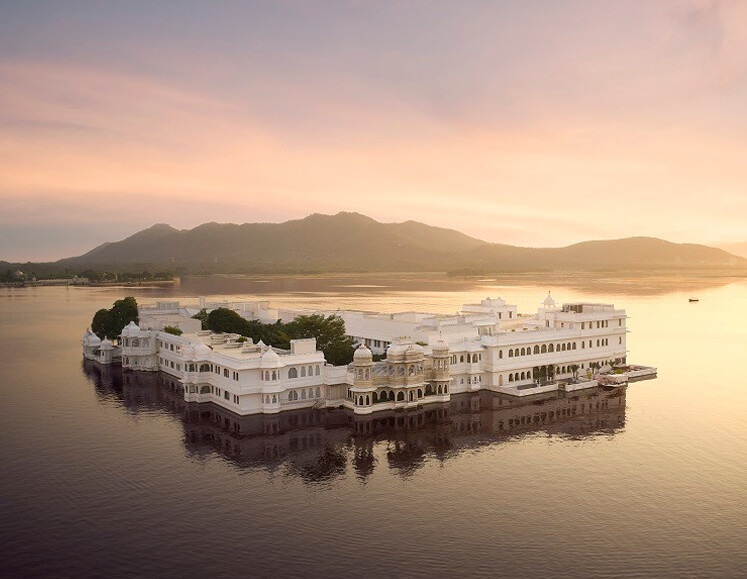
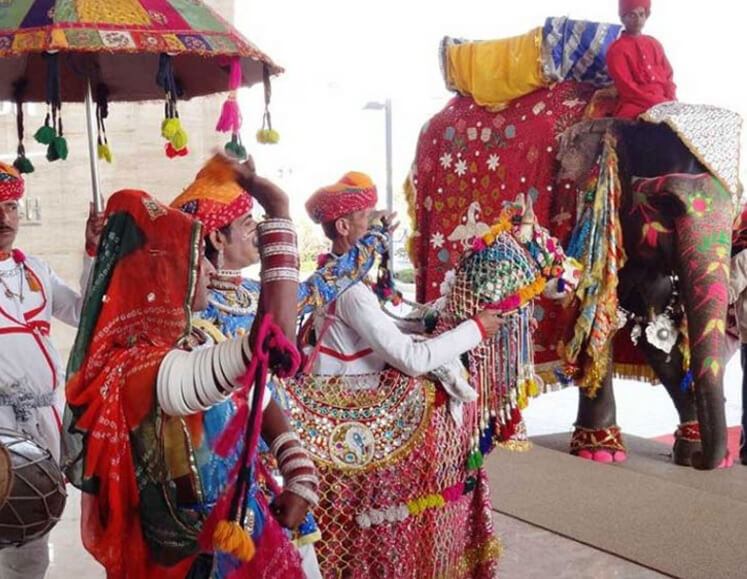
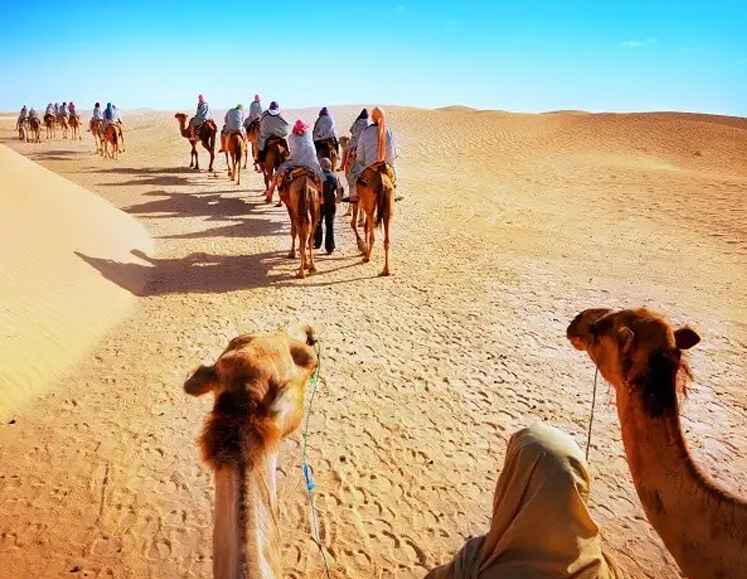
Delhi-Udaipur-Jodhpur-Jaisalmer-Bikaner-Mandawa-Jaipur-Agra-Delhi
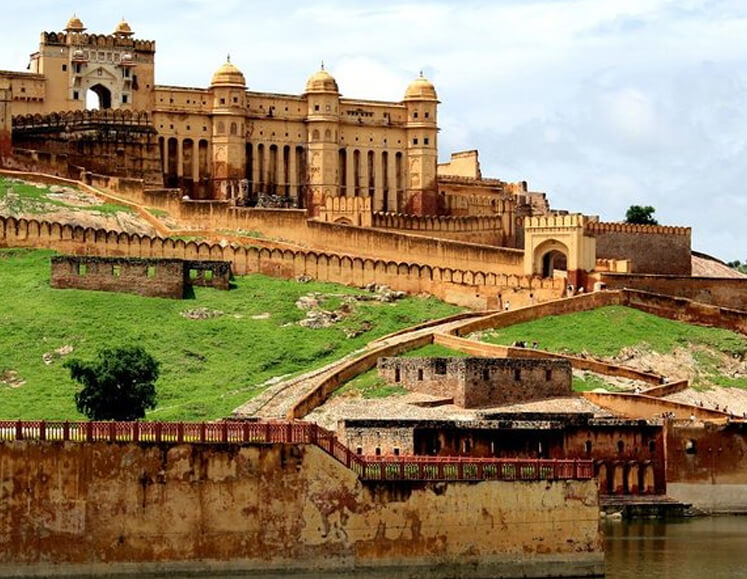
Delhi-Samode-Mandawa-Gajner-Bikaner-Jaisalmer-Rohet-Udaipur-Deogarh-Jaipur-Bharatpur-Agra-Delhi
Mandawa-Bikaner-Jaisalmer-Jodhpur-Kumbhalgarh-Udaipur-Kota-Bundi-Ranthambore- Jaipur-Agra-Delhi
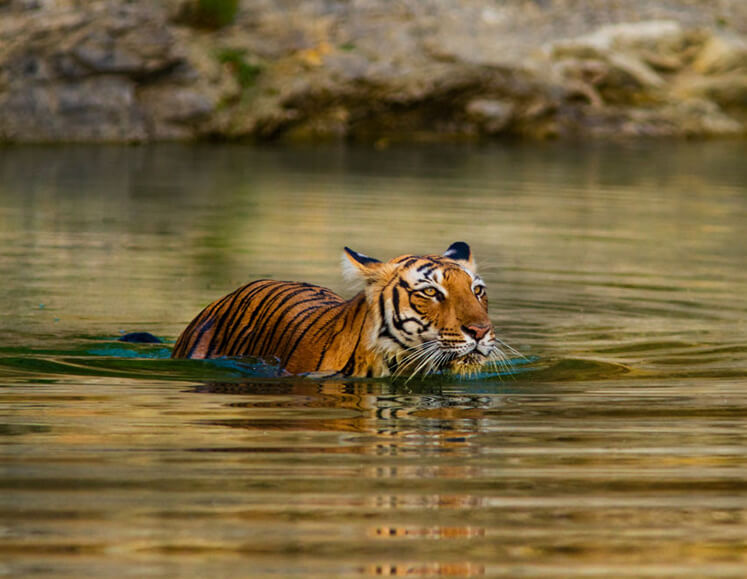
Delhi-Udaipur-Jaipur-Ranthambore- Bharatpur-Agra-Delhi-Nagpur -Kanha-Jabalpur-Delhi
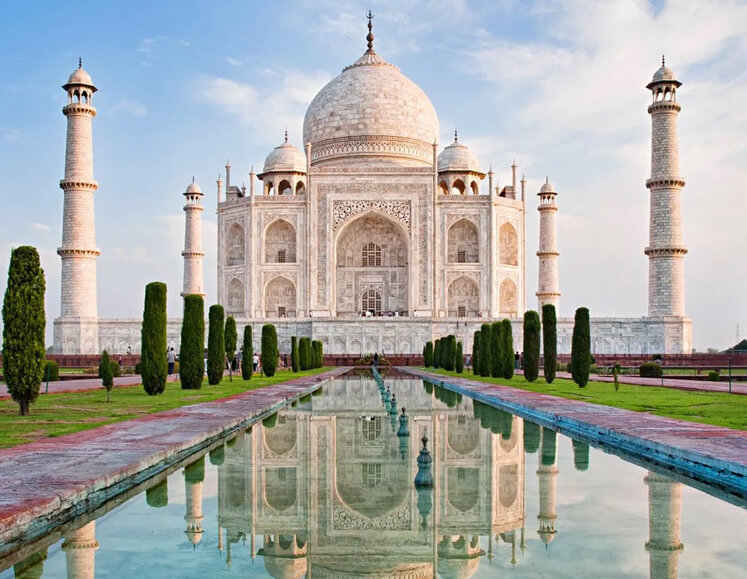
Delhi-Mandawa-Khimsar-Pokhran-Jaisalmer-Jodhpur-Luni-Pushkar-Ajmer-Jaipur-Fatehpur Sikri-Agra-Delhi
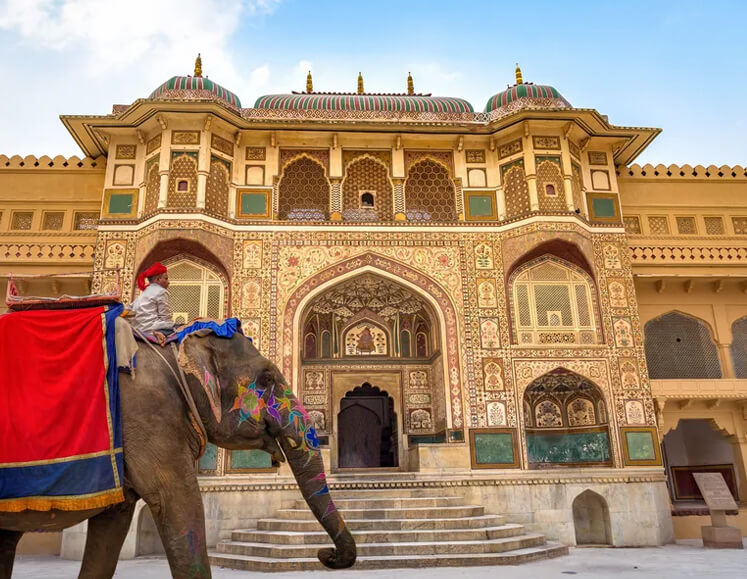
Delhi- Mandawa -Khimsar-Jodhpur-Jaipur-Bharatpur-Orchha-Khajuraho-Agra-Delhi
The Pushkar Camel Fair and Desert Festival are the most internationally known.
October to March is ideal as most major festivals occur during this season.
Yes, Rajasthan is safe, especially with a trusted local operator or private driver.
Book your stay in Pushkar in advance, as the town gets packed in November.
Absolutely. Tour operators offer festival-specific itineraries that include cultural events.
Modest, breathable clothes. Women often wear long skirts or salwar suits. Add color!
Yes. Many events like kite flying, puppet shows, and parades are family-friendly.
Most are public events, but shows like Bagore Ki Haveli and Desert Festival may require entry tickets.
Yes, photography is encouraged, but always ask before photographing locals close-up.
The Desert Festival in Jaisalmer and Gangaur in Jaipur/Udaipur are highly recommended.
Yes, but it's best to join organized celebrations or local hosts to avoid unsafe crowds.
Jaipur is known for its stunning Diwali lights, especially around the old city.