
Delhi-Agra-Jaipur-Delhi
4 Nights 5 Days Golden Triangle Tour
04 Nights / 05 Days
It’s hard to ignore the charm of Jaipur. Painted in shades of pink and layered in stories of kings, queens, warriors, and artisans, the capital of Rajasthan is more than a city—it's an experience. Whether you're here for two days or two weeks, the top attractions in Jaipur offer a beautiful blend of heritage, color, and unforgettable hospitality.
Often the first stop on the famed Golden Triangle route, Jaipur offers more than just postcard-worthy forts. It’s a place where you can ride up to a hilltop palace in a jeep, bargain for hand-block prints in age-old bazaars, sip masala chai on a rooftop with a fort view, and end your day with a candlelit dinner in a restored haveli. Let’s dive into the best things to do in Jaipur, the top places to visit, and how to make the most of your time in the Pink City in 2025.
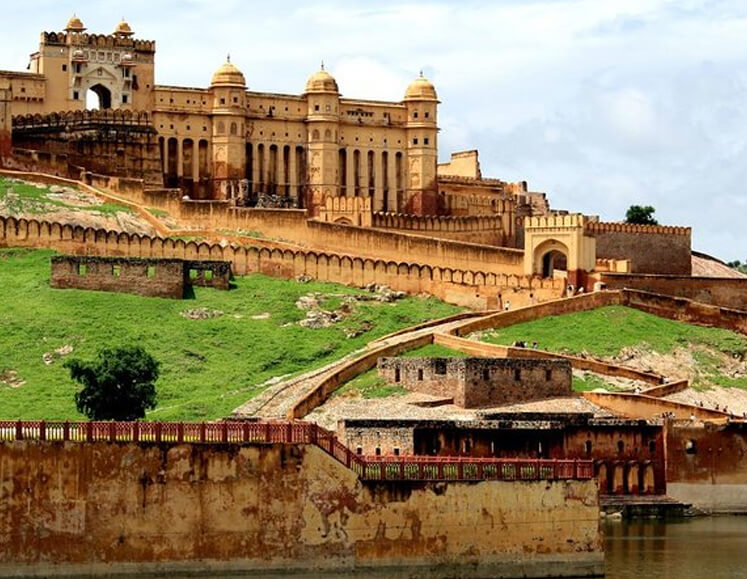
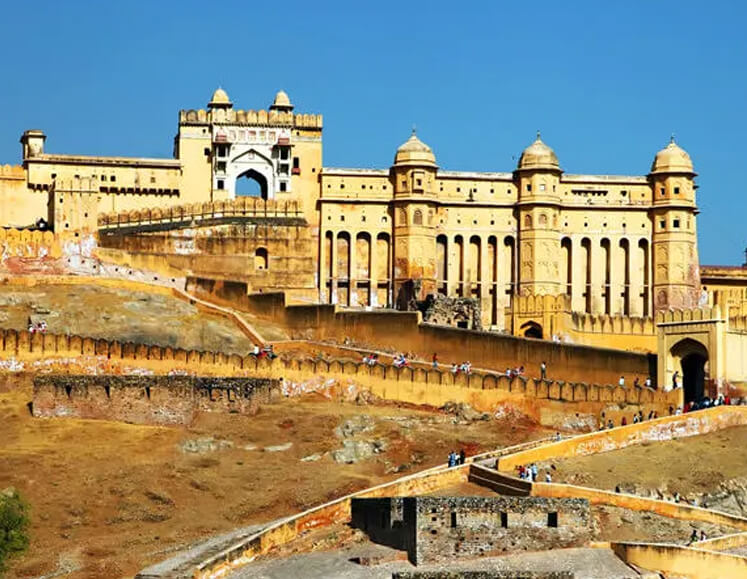
Rising above the Maota Lake with its honey-hued sandstone walls and majestic gates, Amber Fort (Amer Fort) is Jaipur’s most iconic monument. Built in the 16th century by Raja Man Singh, the fort is a brilliant fusion of Rajput and Mughal architecture.
Wander through the Sheesh Mahal (Mirror Palace), take in panoramic views from the ramparts, and explore underground tunnels that connect to Jaigarh Fort. Guided tours bring the fort to life with stories of hidden queens, battle strategies, and royal celebrations.
Pro Tip: Visit early morning or just before sunset to avoid crowds and get the best light for photography.
In the middle of Jaipur’s Old City lies the City Palace, still home to the royal family of Jaipur. This sprawling complex is a series of courtyards, pavilions, museums, and gates—each more ornate than the last.
Don’t miss the Chandra Mahal, Mubarak Mahal, and the famous Peacock Gate at Pritam Niwas Chowk. You can also upgrade to a royal guided tour, which includes exclusive access to the private quarters of the palace.
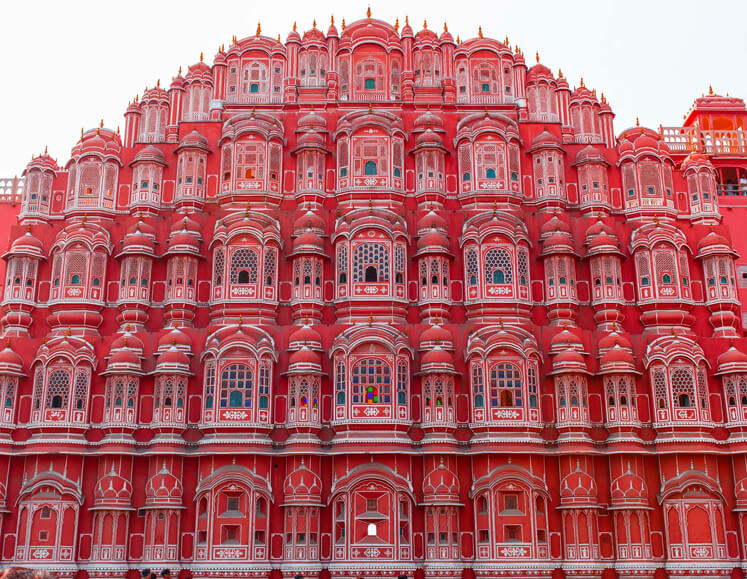
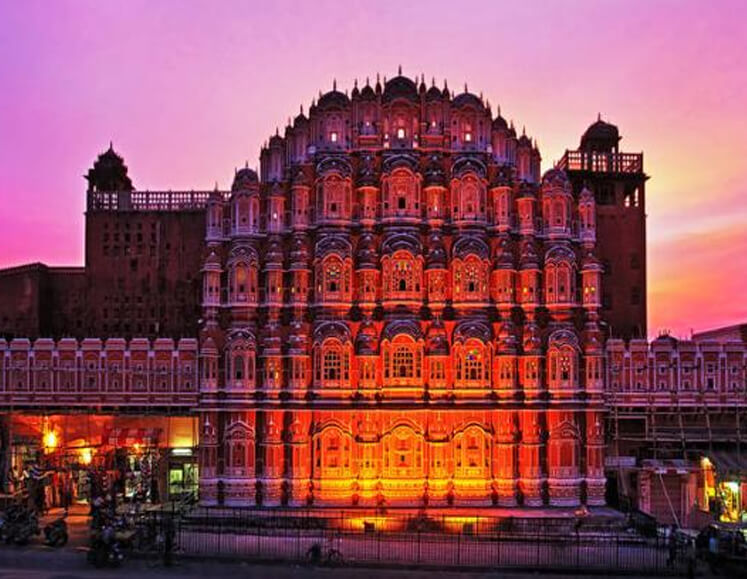
No image of Jaipur is complete without the honeycomb façade of the Hawa Mahal. This five-story structure, built in 1799, has 953 small windows that allowed royal women to observe street festivals without being seen.
While most visitors admire it from the street, do step inside to walk up narrow stairways and view the city through its latticed windows. Across the road, café rooftops provide perfect angles for photos.
Adjacent to the City Palace, Jantar Mantar is a UNESCO World Heritage Site and one of the five astronomical observatories built by Maharaja Jai Singh II. The massive instruments here can still predict eclipses and track celestial movements with shocking accuracy.
Walk through with a local guide who can explain how the world’s largest stone sundial works—or just marvel at how science met symmetry 300 years ago.
Perched high in the Aravalli Hills, Nahargarh Fort is Jaipur’s best-kept secret for sunset views. The fort once protected Jaipur and has since become a favorite hangout for travelers who want to escape the busy city and enjoy panoramic views.
Visit the Madhavendra Palace, whose frescoed rooms once hosted royal queens, and then head to Padao Café, the fort’s open-air viewpoint for snacks and a stunning skyline.
One of the most authentic Jaipur experiences is simply wandering its Old City streets. Laid out in a grid pattern in the 18th century, the Old City is painted in a signature terracotta pink that still gives Jaipur its nickname.
If you love bargaining and discovering unique souvenirs, these bazaars are a treasure hunt.
Jaipur’s oldest museum, the Albert Hall, is a celebration of Indo-Saracenic architecture and Rajasthani history. Its collection spans from ancient sculptures and miniatures to Egyptian mummies and tribal weaponry.
The museum looks stunning when lit at night—don’t miss this photo opportunity.
Among Jaipur’s most meaningful experiences is Elefantastic, an ethical elephant sanctuary where visitors can interact, feed, bathe, and walk with elephants in a cruelty-free environment. Run by a local family with a mission of conservation and education, it’s ideal for families, animal lovers, and those looking for something beyond sightseeing.
You can also book cooking classes, pottery workshops, and homestay experiences with the owners for a culturally rich visit.
Set in a rocky valley east of the city, Galta Ji is a sacred Hindu pilgrimage site often called the Monkey Temple due to its friendly langur population. The temple complex has holy water tanks (kunds) and impressive views from its hillside location.
Arrive in the late afternoon for best light and to watch the monkeys being fed by locals.
Even watching a movie in Jaipur can feel royal at Raj Mandir, a vintage cinema hall that resembles an opulent wedding cake from the outside. Known for its Art Deco interiors and booming sound system, catching a Bollywood film here is an experience in itself.
Tourists and locals alike cheer, clap, and whistle through emotional scenes—making this more than just a show.
A short drive from Amber Fort, Panna Meena ka Kund is one of Jaipur’s best-preserved stepwells—a geometric water tank designed to harvest rain. The symmetrical zigzag steps are a photographer’s dream, and unlike larger stepwells in other parts of India, this one is peaceful and less crowded.
It’s also a great stop for drone shots and Instagram reels.
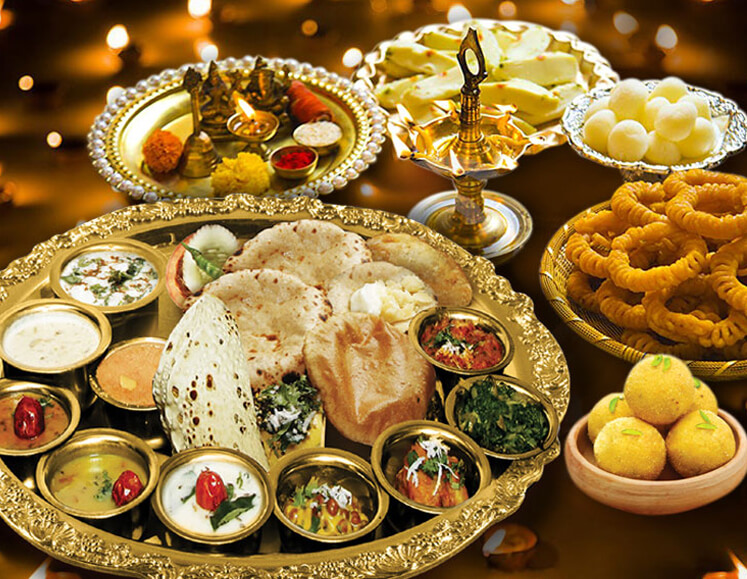
For a taste of traditional food, dance, and village life, head to Chokhi Dhani, an ethnic village resort on the outskirts of Jaipur. Watch folk dances, try Rajasthani thali meals, and participate in local games and crafts.
Although touristy, it’s a fun evening experience for families and first-time visitors.
Owner – Vikas Khabrani
Mobile – +91-94140 46260
Website – www.royalrajasthantravels.com
Delhi - Agra - Fatehpur - Jaipur - Delhi
Amber Fort, City Palace, Hawa Mahal, and Jantar Mantar are top attractions.
Yes. It’s safe, easy to navigate with a driver, and offers experiences for all types of travelers.
2 to 3 days is ideal to explore the main sites and enjoy local culture.
October to March is the best season with pleasant weather.
Yes. Royal Rajasthan Travels and other operators offer fully guided private city tours.
Johari Bazaar, Bapu Bazaar, and Tripolia Bazaar are must-visits for local goods.
Yes, it’s one of Jaipur’s few cruelty-free and educational elephant experiences.
Panna Meena Stepwell, Galta Ji Temple, and local artisan alleys are less touristy and worth visiting.
By road (4–5 hrs), train, or short domestic flights. Private car with driver is most convenient.
Dal Baati Churma, Laal Maas, Gatte ki Sabzi, and sweets like Ghevar and Mawa Kachori.
Yes—Jaipur Literature Festival (January), Teej, Diwali, and Holi are celebrated with flair
Absolutely. Heritage stays add royal ambiance and offer immersive local hospitality.