
Delhi-Agra-Jaipur-Delhi
4 Nights 5 Days Golden Triangle Tour
04 Nights / 05 Days
If you are traveling to India for the first time, the Golden Triangle Tour is one of the clearest introductions to the country’s history, culture, cuisine and architecture. The route connects Delhi, Agra and Jaipur, three cities with distinct identities and some of North India’s most important monuments.
Delhi combines Mughal-era neighborhoods, colonial planning and a fast-moving modern capital. Agra is centered on the Taj Mahal but also rewards visitors with Agra Fort, Itmad-ud-Daulah and Mughal gardens. Jaipur adds Rajput forts, palaces, bazaars and the architectural character of Rajasthan’s Pink City.
The route works by road or rail, but a private car and driver gives travelers control over departure times, luggage, meal stops and intermediate visits. This guide explains the best duration, itinerary options, transport, hotels, costs, monument closures and practical decisions needed to plan the Golden Triangle properly.
Planning note: Timings, entrance fees and local restrictions change. This guide was fact-checked in August 2026. Confirm current information before paying for tickets or non-refundable services.
| Planning question | Practical answer |
| Main cities | Delhi, Agra and Jaipur |
| Recommended duration | 6 to 8 days for most first-time visitors |
| Fastest workable trip | 4 to 5 days, with limited sightseeing |
| Best season | October to March |
| Typical road circuit | Roughly 700 to 800 km, depending on hotels and detours |
| Best transport for flexibility | Private car and driver |
| Key closure | Taj Mahal is closed on Fridays for general viewing |
| Most useful extension | Ranthambore, Pushkar, Udaipur or Varanasi |
The Golden Triangle is a tourism circuit covering:
The three cities form a broad triangle on the map. The actual road distance depends on the hotel locations, bypasses and optional stops, but a complete circuit usually covers roughly 700 to 800 km.
A Golden Triangle trip can be completed in five days, but that pace allows little margin for flight delays, traffic, heat or rest. Six to eight days provides a better balance for most international visitors.
The route is popular, but it is not a complete representation of India. It provides a focused introduction to parts of North India and works best when travelers avoid treating every city as a checklist.
October to March
This is the main travel season. Daytime sightseeing is generally more comfortable, but winter fog can affect flights, trains and early-morning road journeys around Delhi and Agra. December and January evenings can feel cold.
February and March
Temperatures are often pleasant, and Holi may add a cultural experience. Holi dates change each year, and visitors should join an organized event or trusted host rather than an uncontrolled crowd.
April to June
This is the hottest period. Sightseeing is possible with early starts, air-conditioned transport and a slower afternoon schedule, but May and June can be extremely demanding.
July to September
Monsoon travel can bring lower hotel rates and greener scenery around Jaipur. Rain, humidity, waterlogging and changing road conditions require flexibility.
Important seasonal considerations
| Duration | Pace | Suitable for |
| 4 to 5 days | Fast | Travelers with strict time limits |
| 6 to 7 days | Balanced | Most first-time visitors |
| 8 to 10 days | Relaxed | Families, photographers and luxury travelers |
| 10+ days | Extended | Adding wildlife, Rajasthan or Varanasi |
Travelers arriving after a long international flight should not schedule a full Delhi tour immediately. Add recovery time, particularly when traveling with children or older family members.
Day 1: Arrive in Delhi
Transfer to the hotel and complete a light sightseeing program if arrival time permits. India Gate, a drive through New Delhi or a relaxed market visit may work better than a packed monument schedule.
Day 2: Delhi sightseeing
Combine selected Old Delhi and New Delhi attractions. A realistic day might include Jama Masjid and Chandni Chowk, followed by Humayun’s Tomb or Qutub Minar. Do not try to visit every listed monument in one day.
Day 3: Delhi to Agra
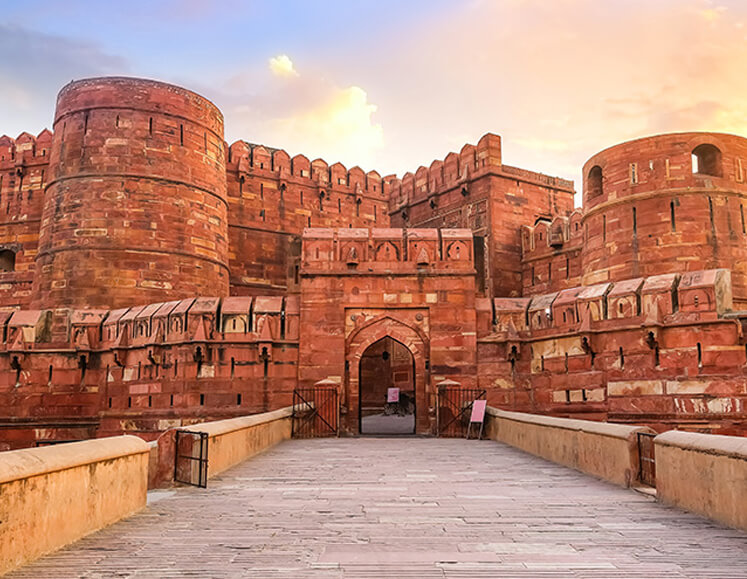
Drive to Agra and visit Agra Fort, Itmad-ud-Daulah or Mehtab Bagh. Arrange the day according to the Taj Mahal’s operating schedule.
Day 4: Taj Mahal and drive to Jaipur
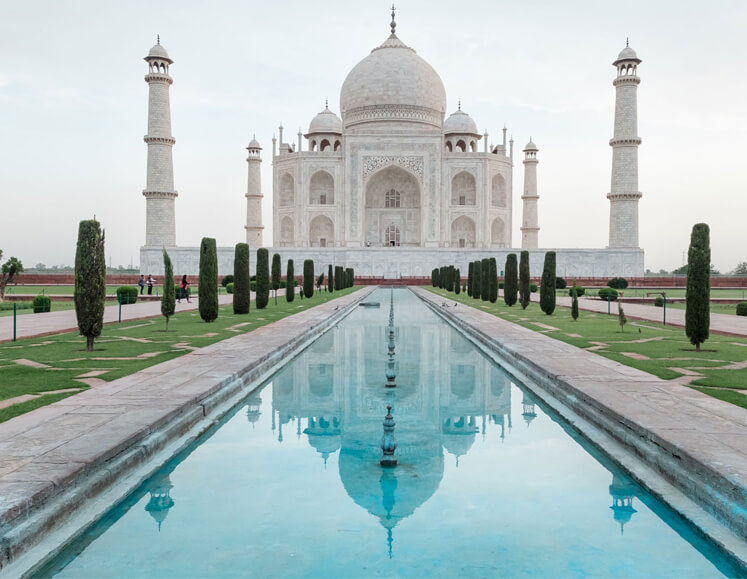
Visit the Taj Mahal after opening, then drive to Jaipur. Fatehpur Sikri can be added en route if departure time, heat and traveler energy permit.
Day 5: Jaipur and departure
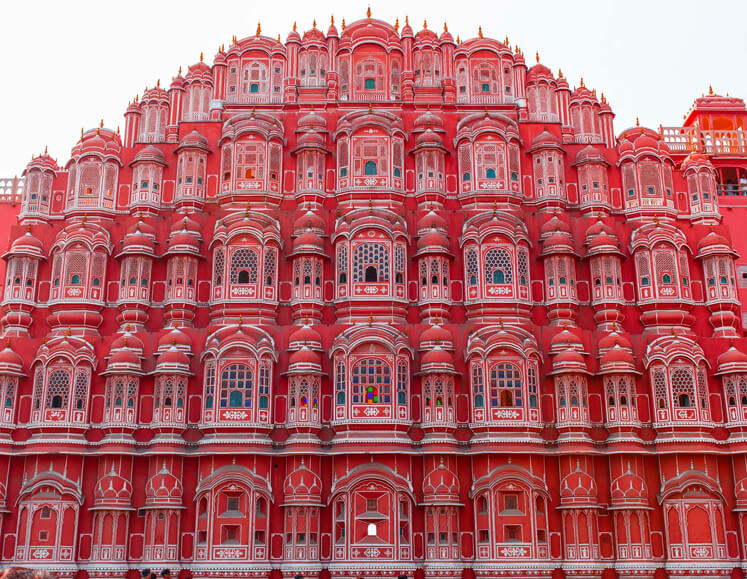
Visit Amber Palace early, then City Palace, Jantar Mantar or Hawa Mahal depending on departure timing. This day becomes rushed if the flight leaves from Delhi, so an additional night is preferable.
Days 1 and 2: Delhi
Split Old Delhi and New Delhi across separate days. This allows time for a guided walk, museum or food experience without sacrificing major monuments.
Day 3: Delhi to Agra
Leave after breakfast. Visit Agra Fort and one smaller Mughal site. Stay overnight in Agra.
Day 4: Taj Mahal and Jaipur transfer
Visit the Taj Mahal near opening time, then continue toward Jaipur. Choose either Fatehpur Sikri or Abhaneri rather than forcing both into the day.
Days 5 and 6: Jaipur
Use one day for Amber Palace, Jaigarh or Nahargarh and the other for the old city, City Palace, Jantar Mantar, Hawa Mahal and markets.
Day 7: Departure or onward travel
Return to Delhi, fly from Jaipur or continue deeper into Rajasthan. A Jaipur departure avoids repeating the road journey to Delhi when flight schedules work.
A longer route can include three nights in Delhi, two in Agra and three in Jaipur. Extra time allows a cooking class, heritage walk, craft workshop, market visit or rest afternoon.
This pace is better for families, older travelers and anyone staying in experiential hotels. It also creates a buffer for fog, traffic and monument closures.
The Taj Mahal is closed every Friday for general viewing. On other normal operating days, it opens 30 minutes before sunrise and closes 30 minutes before sunset, according to the official site.
Check the weekday before finalizing the route. If Agra falls on a Friday, use that day for Agra Fort, Itmad-ud-Daulah, Mehtab Bagh or onward travel, then visit the Taj Mahal on Thursday or Saturday.
Children below 15 currently enter without an admission fee, while entry to the main mausoleum requires an additional ticket for paying visitors. Verify current prices and allowed items on the official Taj Mahal website.
Private car and driver
A private car is the most flexible option for door-to-door travel, luggage and intermediate stops. It also avoids changing stations with bags.
Ask whether the quote includes:
A driver is not automatically a licensed monument guide. Hire a qualified local guide separately when detailed historical interpretation matters.
Train
Fast trains connect Delhi and Agra, while rail options also serve Jaipur. Trains can reduce road time, but station transfers, luggage handling and fixed schedules add complexity.
Book through official railway channels or a reputable agent. Winter fog can cause delays, so do not connect a train directly to an international flight without a buffer.
Domestic flight
Flights can help when adding Udaipur or Varanasi, but they are rarely necessary between every Golden Triangle city. Airport travel and security time can remove much of the benefit on short sectors.
Bus
Buses are economical but provide less door-to-door comfort and flexibility. They are better suited to experienced independent travelers than families with luggage.
| Route | Planning estimate | Notes |
| Delhi to Agra | About 3.5 to 5 hours | Depends on Delhi traffic and hotel location |
| Agra to Jaipur | About 4.5 to 6 hours | Longer with Fatehpur Sikri or Abhaneri |
| Jaipur to Delhi | About 5 to 7 hours | Traffic near both cities can add time |
These are planning estimates, not guarantees. Weather, roadwork, stops and urban congestion can change journey times significantly.
Old Delhi
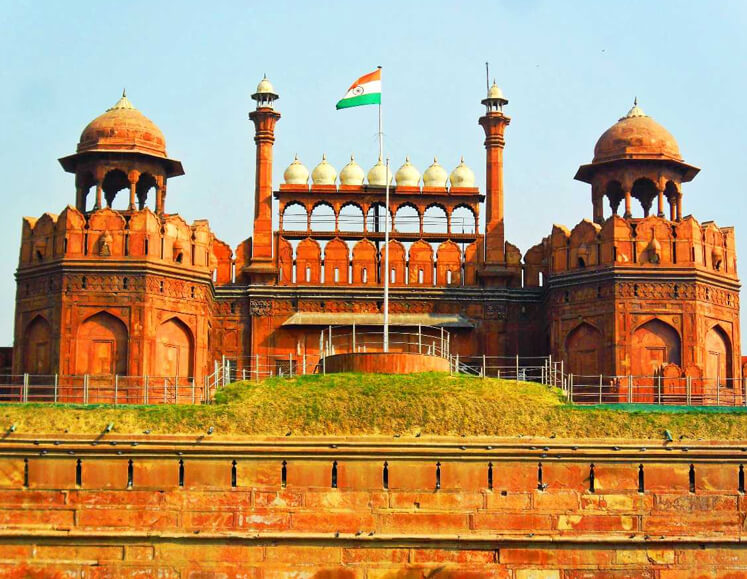
Red Fort was announced as open seven days a week in 2026, including Mondays, but temporary security closures can still occur around national events. Check before visiting.
New Delhi and South Delhi
Temple and security rules vary. Large bags, photography equipment and electronics may be restricted at certain sites.
Avoid describing Agra Fort only as the place where Shah Jahan was imprisoned. Its history spans several rulers, structures and political phases.
Do not recommend elephant rides at Amber. The previous article’s endorsement of one commercial elephant venue as “ethical” should also be removed unless supported by current independent welfare evidence. Travelers can choose a jeep transfer, walk where suitable or focus on animal-free cultural activities.
Fatehpur Sikri is the stronger choice for Mughal history and architecture. It sits closer to the standard Agra to Jaipur route and usually requires several hours including transfers between parking and the monument area.
Abhaneri is known for Chand Baori and works well for travelers interested in stepwell architecture. It requires a separate detour and should not be treated as an effortless addition after a long Taj Mahal visit.
Attempting both in one transfer day can create a rushed schedule. Choose according to interest, daylight and mobility.
Delhi
Agra
Jaipur
Hotel examples are not a guarantee of price, availability or suitability. Compare current taxes, breakfast, cancellation policy, room category and distance from the actual sightseeing route.
The original cost ranges need a clear basis. A quote may be per person, per couple or per vehicle, and may include or exclude hotels. Without those assumptions, the numbers are misleading.
Indicative 6 to 7-day cost per person
The following planning ranges assume two adults sharing one room and splitting a private vehicle. International airfare is excluded.
| Travel style | Indicative per-person range | Typical inclusions |
| Budget | ₹35,000 to ₹60,000 | Simple hotels, selected transport and basic meals |
| Mid-range | ₹65,000 to ₹1,10,000 | Comfortable hotels, private sedan and guided visits |
| Luxury | ₹1,50,000 to ₹4,00,000+ | Premium hotels, larger vehicle and curated experiences |
These are market-planning estimates, not fixed tariffs. Peak season, solo occupancy, hotel choice, nationality-based monument fees and luxury palace stays can change the total substantially.
Cost items to confirm
Indian and international visitors may pay different monument fees. Rajasthan revised several state-run monument prices from January 2026, including Amber Palace and other Jaipur sites.
Keep entry fees outside the headline package price unless the quote clearly states which nationality and ticket categories are included. City Palace Jaipur is separately managed, while Taj Mahal main-mausoleum access requires an additional ticket.
A licensed guide can add substantial value at Old Delhi, Humayun’s Tomb, Taj Mahal, Agra Fort, Fatehpur Sikri, Amber Palace and Jantar Mantar. Confirm language, duration and whether the fee is per group or per person.
Ranthambore
Add two or three nights for a wildlife safari. Sightings are never guaranteed, and official safari availability should be checked before restructuring the route.
Pushkar
Add one or two nights for Pushkar Lake, temples and a smaller-town atmosphere. Festival dates require early booking.
Udaipur
Add two or three nights for lakes, palaces and a slower Rajasthan finish. Flying or using an overnight train may be more practical than a long direct road transfer.
Varanasi
Add two or three nights for ghats, temples and a very different cultural setting. A domestic flight is usually the most time-efficient connection.
Bharatpur
Add a night for Keoladeo National Park, particularly for travelers interested in birdlife. Seasonal conditions affect what visitors see.
Families
Use a larger vehicle when traveling with child seats or substantial luggage. Keep one flexible afternoon and avoid combining a long transfer with several monuments.
Solo travelers
Share the full itinerary and driver details with a trusted contact. Use verified hotels and confirm the company’s support process before departure.
Travelers with limited mobility
Ask about walking distance, stairs, shuttle vehicles, accessible toilets and wheelchair availability at each monument. Heritage sites are not uniformly step-free.
Royal Rajasthan Travels can arrange a customized Delhi, Agra and Jaipur itinerary with a private driver, selected hotels and optional local guides.
Owner: Vikas Khabrani
Call and WhatsApp: +91 94140 46260
E-Mail: info.royalrajasthan@gmail.com
Contact: Send an enquiry
For an accurate quote, share travel dates, group size, room category, arrival flight, departure city and any extension you want to add.
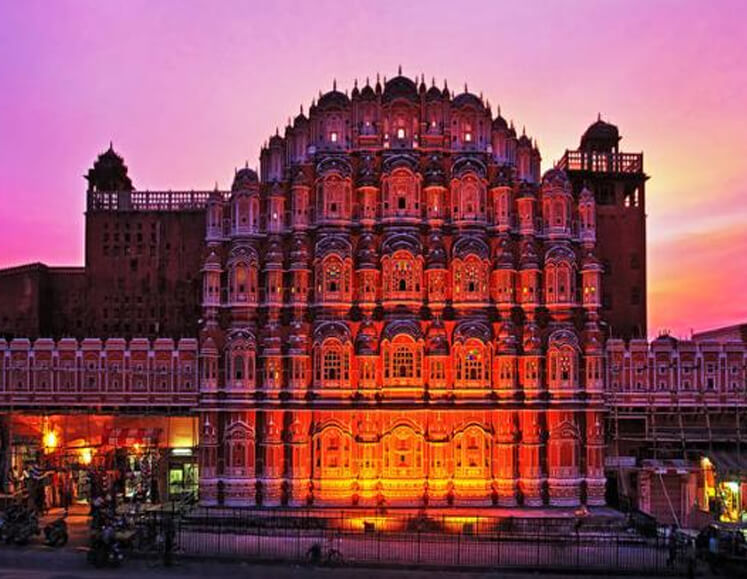
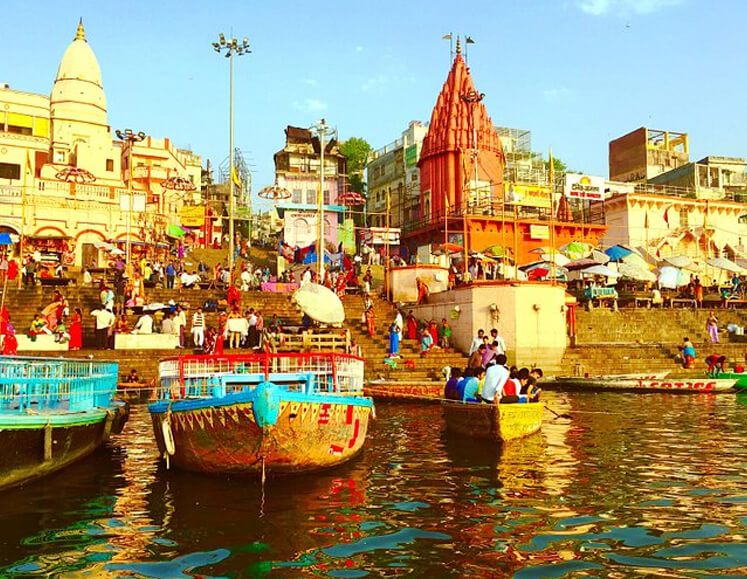
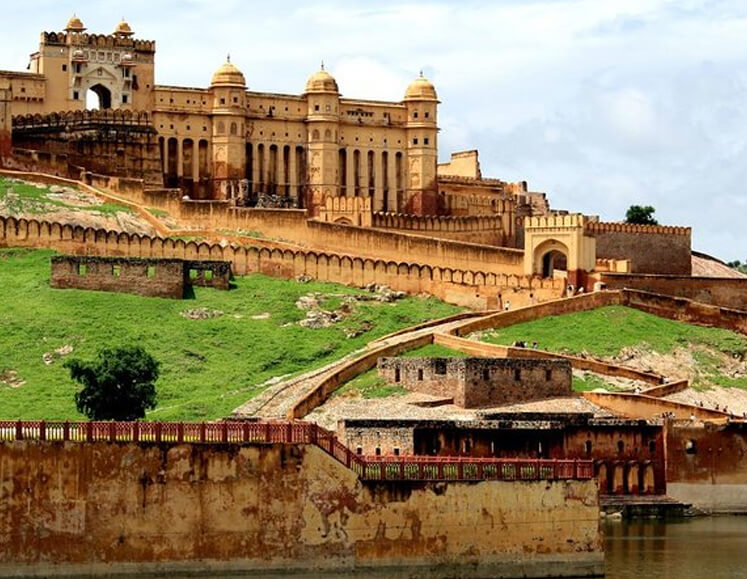
Delhi - Agra - Fatehpur - Jaipur - Delhi
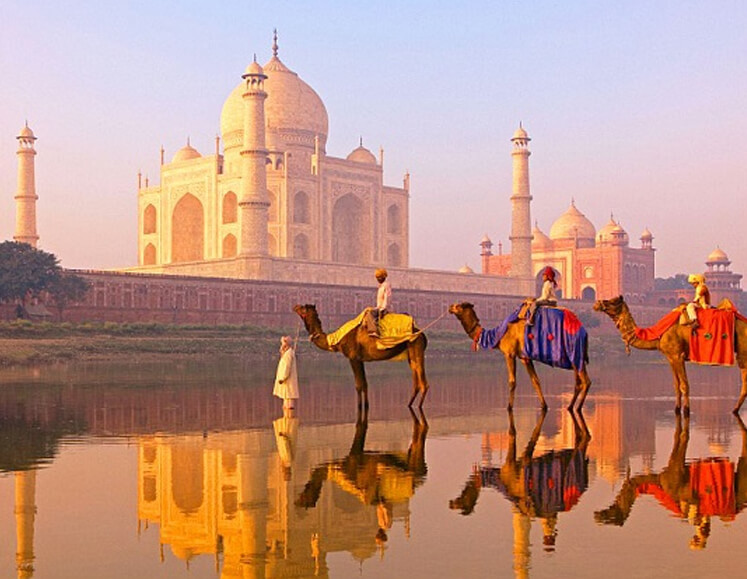
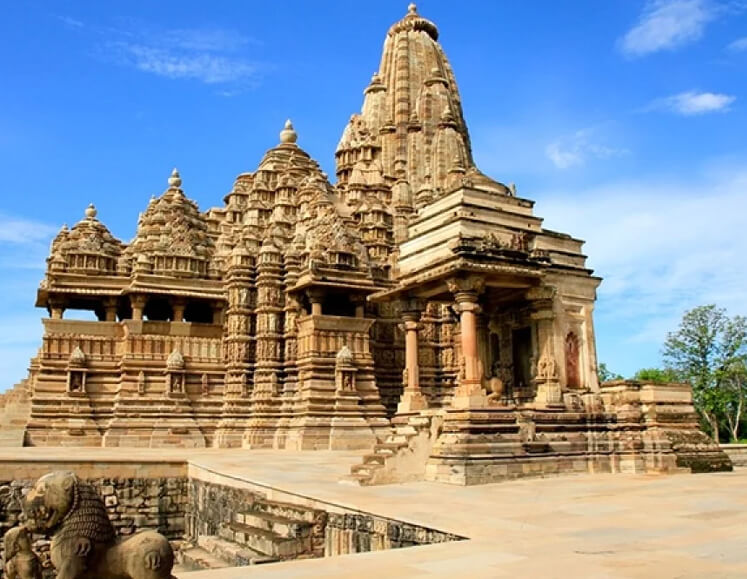
Delhi-Jaipur-Agra-Gwalior-Orchha-Khajuraho-Varanasi-Delhi
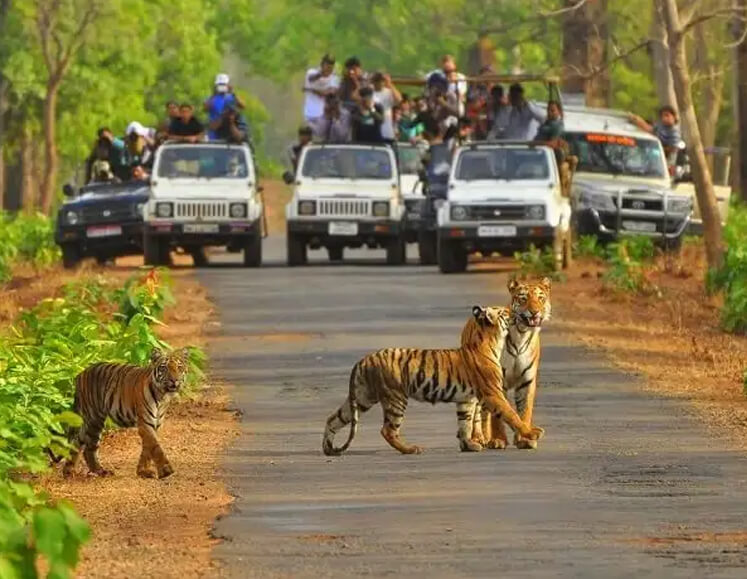
Delhi- Sariska-Jaipur-Bharatpur-Agra-Delhi
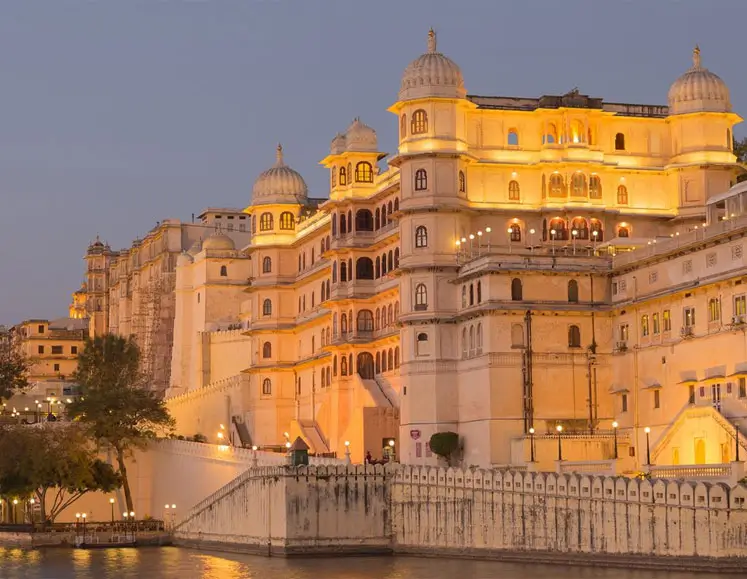
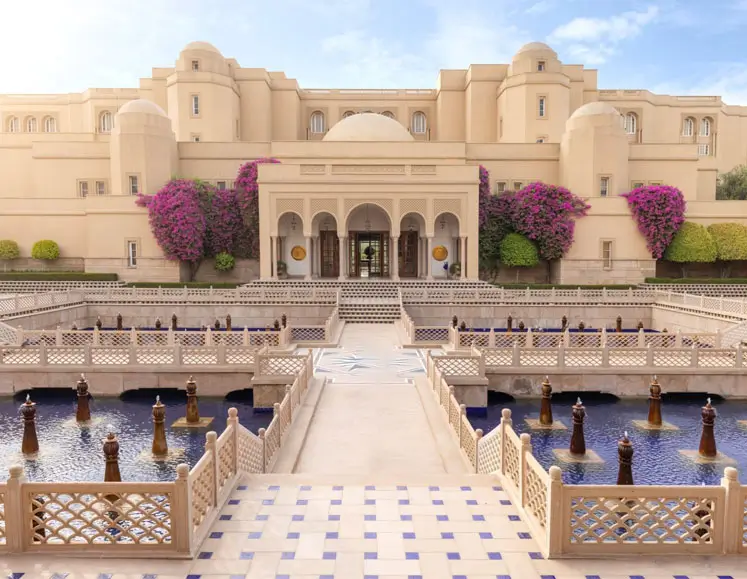
It’s a popular tourist circuit covering Delhi, Agra, and Jaipur, forming a triangle on the map.
A minimum of 5 days, though 7–8 days allow a more relaxed and complete experience.
Yes, it’s one of the safest and most comfortable ways to explore India, especially for first-time or solo travelers.
October to March offers the best weather for sightseeing.
Transport, fuel, tolls, parking, and driver’s accommodation. Some packages include hotels and guides.
Yes! Popular add-ons include Ranthambore, Udaipur, Pushkar, or even Varanasi.
Yes, international travelers require an Indian tourist visa or e-Visa.
You’ll enjoy North Indian cuisine including Mughlai, Rajasthani, and street food options.
Yes, especially with a private driver. Just maintain a slower pace and avoid extreme heat months.
With a private tour, you have flexibility to adjust stops and timing en route.
Yes, in hotels, tourist sites, and with professional drivers and guides.
Mid-range private tours with hotels usually start at ₹65,000 for 2 people for 6 nights.