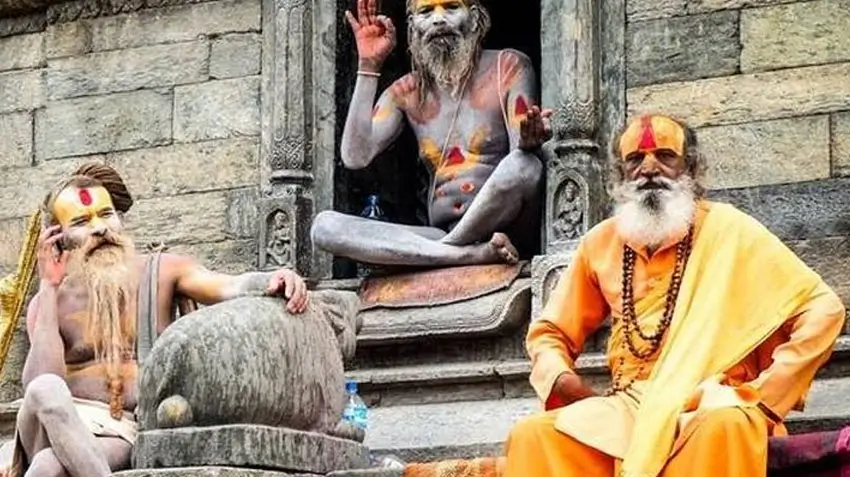
The Golden Triangle Tour of India—covering Delhi, Agra, and Jaipur—is already the most iconic travel route for international visitors. It combines Mughal grandeur, Rajput royalty, and vibrant bazaars. But for travelers who want to go deeper and experience India’s spiritual essence, adding Varanasi, the world’s oldest living city, creates a journey that is both majestic and soulful. The combination of the Golden Triangle and Varanasi allows you to see the Taj Mahal at sunrise, Jaipur’s forts, Delhi’s heritage boulevards, and end your journey with the Ganga Aarti on the ghats of Varanasi, where spirituality comes alive. This itinerary is designed to give luxury travelers a complete cultural and spiritual mix in 2025, with stays in Oberoi and Taj hotels, private guided tours, and seamless transfers.
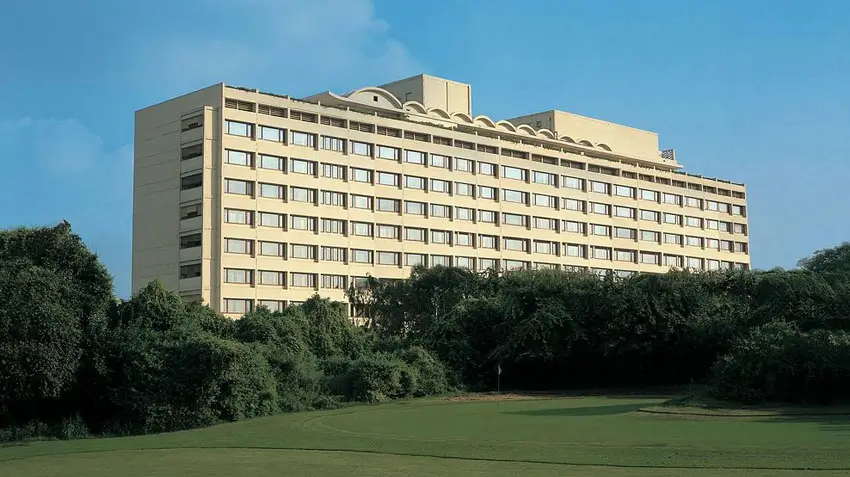
Your journey begins in Delhi, where the ancient coexists with the modern. On arrival at Indira Gandhi International Airport, you are greeted by a private driver and transferred to your luxury hotel such as The Imperial Delhi, Oberoi New Delhi, or Taj Mahal Hotel. After some rest, your first day includes an exploration of Old Delhi, where you visit Jama Masjid, ride a rickshaw through Chandni Chowk, and experience the spice markets that overwhelm the senses with color and aroma. Evening can be spent at the Red Fort, which lights up with a sound and light show narrating Mughal history. The day ends with fine dining in your hotel, where Mughlai dishes are served with modern twists, preparing you for the grandeur of the journey ahead.
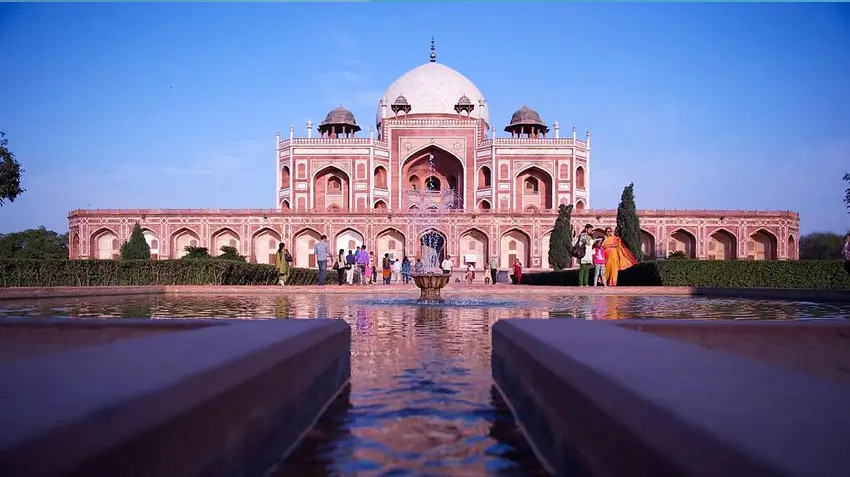
On the second day, the focus shifts to New Delhi, designed by Sir Edwin Lutyens. Here you explore India Gate, Rashtrapati Bhavan, Qutub Minar, and Humayun’s Tomb, which reflect India’s architectural diversity. The Lotus Temple and Akshardham Temple add modern spiritual architecture to your photography collection. Delhi’s charm lies in its contrasts—where one moment you are walking through Mughal tombs and the next you are shopping at luxury malls in Connaught Place. Staying at Oberoi or Taj ensures you balance the chaos of Delhi with serene luxury.
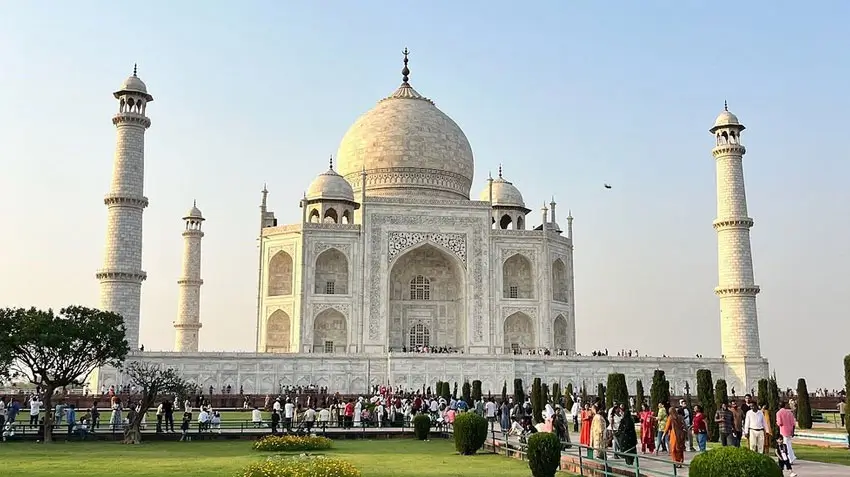
A luxury drive or train takes you to Agra, home of the Taj Mahal, one of the world’s greatest monuments. Checking into Oberoi Amarvilas gives you direct balcony views of the Taj Mahal, a privilege no other hotel offers. Visiting the Taj at sunrise is a surreal experience as the monument glows in shades of pink and gold. Later, explore Agra Fort, which tells the story of the Mughal dynasty, and the Baby Taj (Itimad-ud-Daulah’s Tomb), a precursor to the Taj Mahal. Evening at Amarvilas is reserved for a candlelit dinner at Esphahan Restaurant, with live traditional music. Agra combines history, romance, and luxury like no other destination.
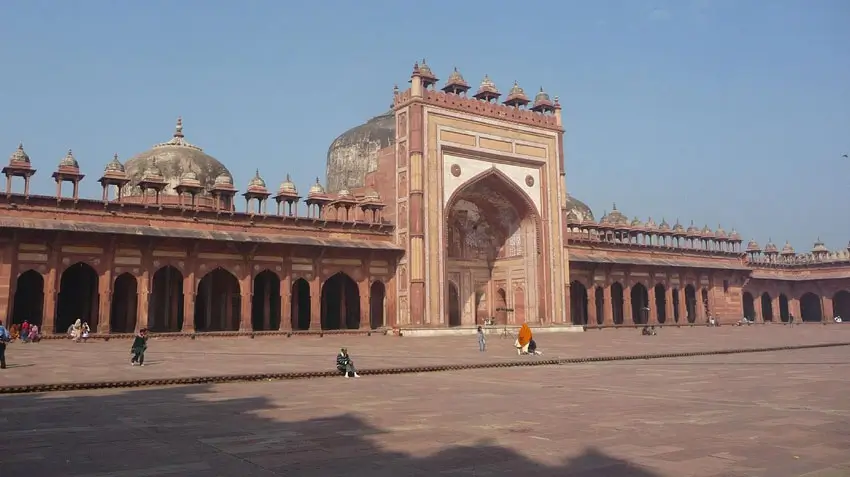
From Agra, travel to Jaipur with a stop at Fatehpur Sikri, Akbar’s abandoned Mughal capital. Structures like Buland Darwaza, Panch Mahal, and Jama Masjid remain frozen in time. Arrive in Jaipur and check into Taj Rambagh Palace or Oberoi Rajvilas, two of the most luxurious heritage stays in India. Evening can be spent at leisure with cultural performances and royal-style dining in palace courtyards. Jaipur marks the transition from Mughal to Rajput grandeur, offering experiences that are both colorful and regal.
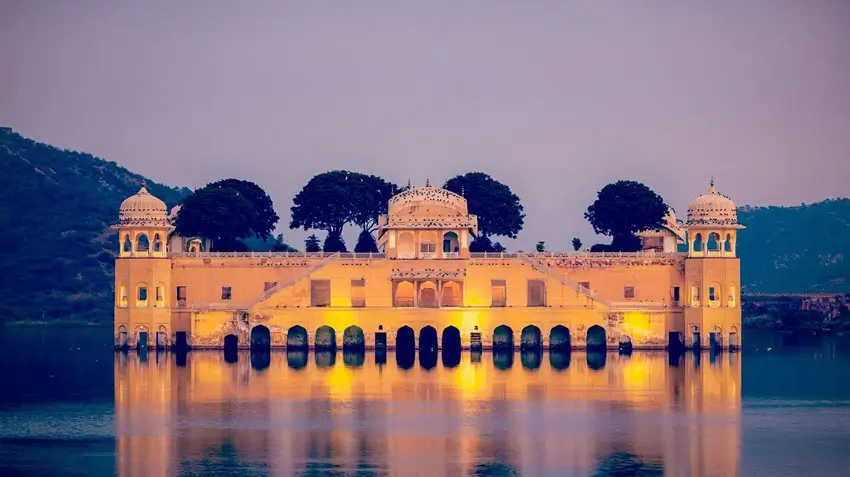
This day is dedicated to exploring Jaipur’s landmarks. Start with Amber Fort, where elephants once carried royals up the ramparts. Inside, the Sheesh Mahal (Mirror Palace) dazzles with intricate glasswork. Visit City Palace, which still houses the Jaipur royal family, and Jantar Mantar Observatory, a UNESCO site that reflects India’s scientific heritage. The iconic Hawa Mahal (Palace of Winds) is best captured in morning light. Evening is perfect for shopping at Johari Bazaar, known for gemstones, jewelry, and textiles. Returning to Rambagh Palace, you enjoy luxury that once belonged only to maharajas.
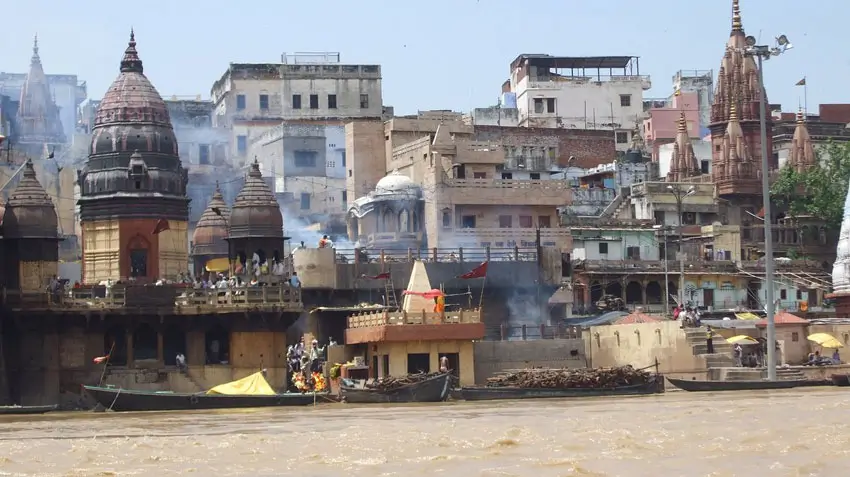
Board a short flight via Delhi to reach Varanasi, the spiritual capital of India. On arrival, check into Taj Ganges Varanasi or BrijRama Palace, a heritage hotel located on the ghats of the Ganges. Evening is reserved for the Ganga Aarti at Dashashwamedh Ghat, where hundreds of priests perform rituals with fire, chants, and music. This spiritual spectacle is one of the most moving experiences in India, contrasting the royal opulence of Jaipur with the simplicity of devotion in Varanasi.
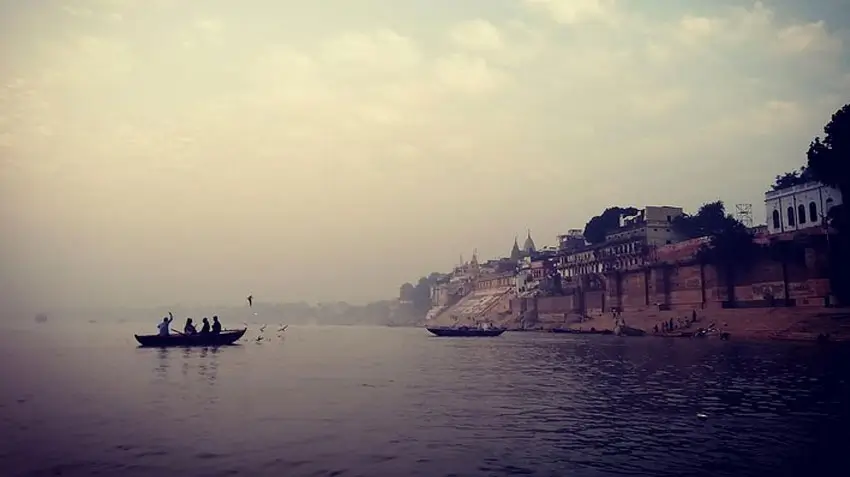
Begin the day with a sunrise boat ride on the Ganges, where the river glows with morning light and pilgrims bathe on the ghats. This is the perfect moment for photography, as saffron-clad sadhus, flower sellers, and rituals create a living canvas of faith. Visit Kashi Vishwanath Temple, one of the holiest shrines of Lord Shiva, and stroll through the narrow alleys filled with ashrams, silk shops, and small shrines. Afternoon can include a trip to Sarnath, where Buddha delivered his first sermon, making it a significant Buddhist pilgrimage site. Evenings in Varanasi are spent exploring local art, classical music concerts, and traditional vegetarian cuisine.
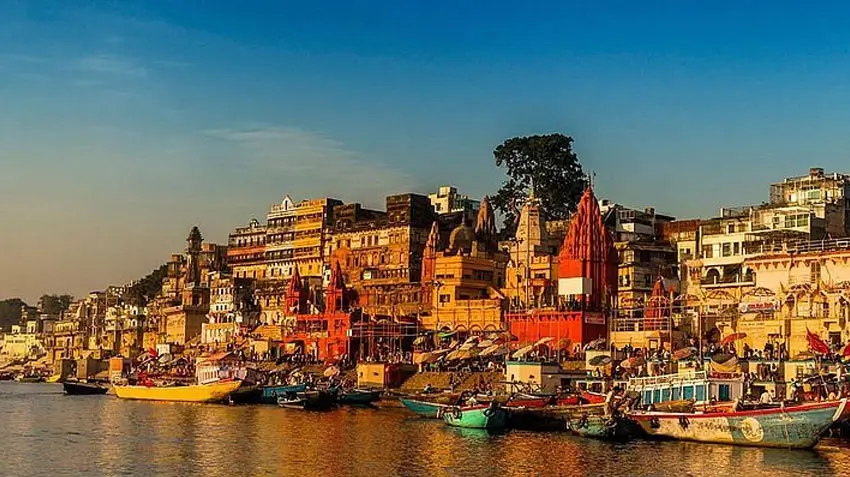
The final day in Varanasi is for deeper immersion. Guests can attend yoga sessions by the river, meditation workshops, or private temple blessings arranged by the hotel. For cultural enthusiasts, visits to Banarasi silk weaving workshops offer insights into the making of world-famous sarees. After lunch, transfer to the airport for your onward journey, carrying memories of a tour that combined heritage, royalty, and spirituality like no other.
The addition of Varanasi transforms the Golden Triangle into a holistic Indian journey. While Delhi, Agra, and Jaipur showcase India’s royal and architectural heritage, Varanasi reveals the spiritual heartbeat of the country. For luxury travelers, curated stays in heritage hotels like BrijRama Palace ensure comfort while still offering authentic experiences. Watching the cycle of life and death on the ghats, where pilgrims perform last rites and children play at the same time, is a profound reminder of India’s timeless traditions. The combination of royalty and spirituality makes this itinerary unique in 2025.
The best time for this itinerary is October to March, when the weather is pleasant for both sightseeing and outdoor rituals. Summers in Varanasi can be extremely hot, while monsoons bring heavy rains. For cultural lovers, visiting during Diwali, Dev Deepawali, or Holi makes the experience even more special, as the ghats and palaces come alive with lights, colors, and rituals.
These hotels ensure that every part of the journey combines heritage with five-star luxury, making the tour both comfortable and memorable.
Discover the Taj Mahal, Jaipur’s palaces, Delhi’s heritage, and Varanasi’s ghats in one unforgettable itinerary. Our curated luxury tours combine royal stays, spiritual experiences, and seamless services to give you the best of India in 2025:
Royal Rajasthan Travels
Owner – Vikas Khabrani
Mobile – +91-94140 46260
Website – www.royalrajasthantravels.com
At least 8–10 days are ideal to cover Delhi, Agra, Jaipur, and Varanasi comfortably.
Yes, with private guides and curated tours, it is safe and enriching.
Oberoi Amarvilas Agra offers direct views of the Taj from every room.
The Ganga Aarti at Dashashwamedh Ghat and sunrise boat rides are the most memorable.
Yes, hotels like Taj Ganges and BrijRama Palace arrange exclusive spiritual experiences.
Most routes are via Delhi, though direct flights may be seasonal.
Yes, it is a major Buddhist pilgrimage site near Varanasi.
Winter (Nov–Feb) offers clear skies and vibrant festivals.
Yes, they arrange yoga, meditation, and cultural evenings.
Yes, luxury hotels provide vegetarian, vegan, and Jain cuisine on request.
It adds a spiritual dimension with Varanasi, making it a cultural + heritage blend.
Yes, it suits families, couples, and spiritual seekers equally.