
Delhi-Agra-Jaipur-Delhi
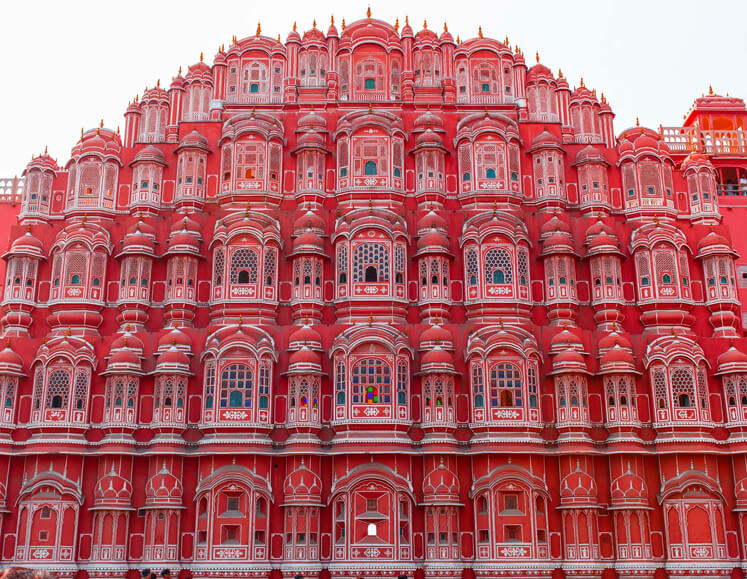
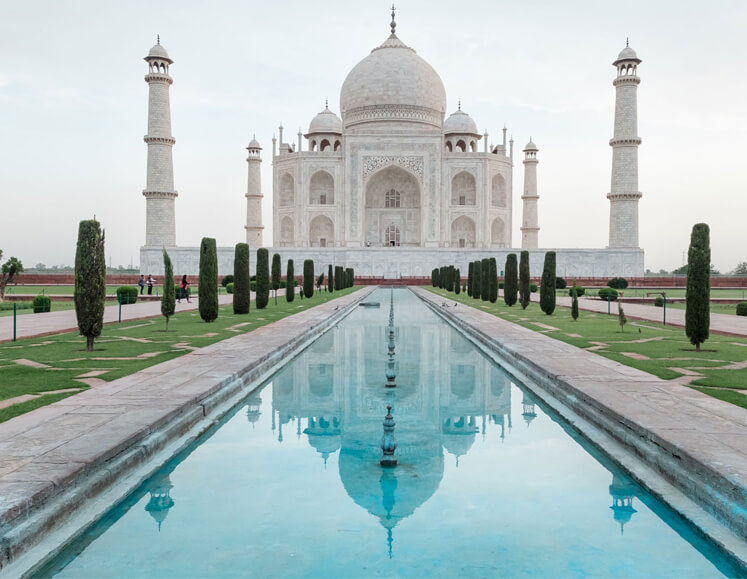
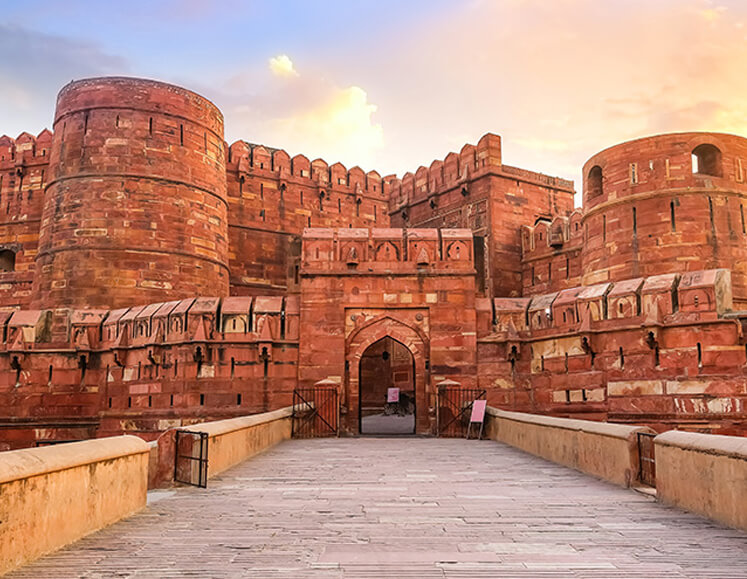
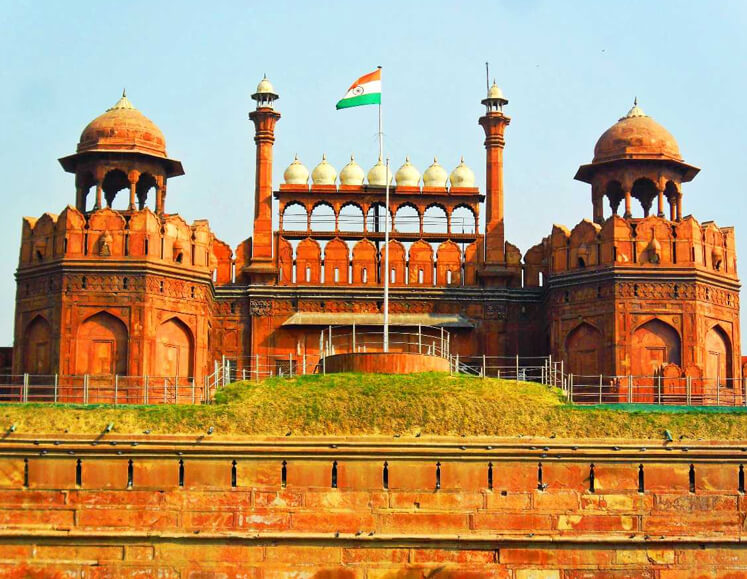
4 Nights 5 Days Golden Triangle Tour
04 Nights / 05 Days
When you think of Rajasthan, images of majestic forts, grand palaces, and desert landscapes often come to mind. But beyond the architectural splendor and cultural heritage, Rajasthan is also home to some of India’s most thrilling wildlife experiences. The state’s diverse topography, ranging from dry deciduous forests to rocky hills and semi-arid zones, supports a wide range of flora and fauna — making it a hidden gem for safari lovers and wildlife photographers.
From the royal Bengal tiger of Ranthambore to the elusive leopards of Jawai, Rajasthan’s national parks and wildlife sanctuaries offer some of the best chances for big cat sightings in India. Whether you're an adventure seeker, birdwatcher, or nature lover, Rajasthan's wildlife circuits promise a raw and exhilarating journey.
In this detailed guide, we explore the top wildlife safari destinations in Rajasthan, the best time to visit, how to book safaris, recommended accommodations, and why a private car and driver tour is the best way to explore these natural habitats.
Undoubtedly the most famous wildlife park in the state, Ranthambore National Park is located in the Sawai Madhopur district, just a few hours from Jaipur.
Why Visit Ranthambore?
Ranthambore is one of the best places in India to spot wild tigers in their natural habitat. Unlike the dense jungles of Central India, Ranthambore's open landscapes and ancient ruins offer clearer views and higher sighting success, especially in zones like 2, 3, and 6.
Key Wildlife:
Best Safari Zones:
Zones 1–6 have the highest tiger movement, especially Zone 3 which includes the scenic Rajbagh Lake.
Safari Types:
Ideal Season:
October to April (peak sightings in March–April when water levels drop)
Located in Alwar district, Sariska is the closest tiger reserve to Delhi and Jaipur, making it an easy inclusion in your Golden Triangle or Rajasthan itinerary.
What to Expect:
Though tiger sightings are rarer than Ranthambore, Sariska offers a peaceful and less crowded safari experience. The park’s dry forests and hilly terrain are home to a variety of wildlife and make for scenic game drives.
Notable Wildlife:
Other Attractions:
Best Time to Visit:
November to March
For those fascinated by the elusive leopard, Jawai in Pali district offers one of the most unique wildlife experiences in India. Unlike national parks, Jawai is a rural area with granite hills, where leopards live in harmony with local communities.
Why Jawai is Special:
Activities:
Best Season:
October to March, though leopards can be seen year-round due to the arid terrain
Where to Stay:
Located near Jaisalmer, the Desert National Park spans over 3,000 sq. km and is one of the few places in the world where the critically endangered Great Indian Bustard can still be spotted.
What You’ll See:
This is a must-visit for birdwatchers, especially during winter when migratory birds arrive.
Best Time to Visit:
November to February
A UNESCO World Heritage Site, Keoladeo National Park in Bharatpur is one of Asia’s top bird sanctuaries, especially for migratory waterfowl.
What Makes It Unique:
Key Birds:
Activities:
Best Season:
October to March for bird sightings
How to Book Safaris:
Tip: Book safaris well in advance during peak season (December to March), especially for Ranthambore.
Due to the distances between parks and the early morning nature of safaris, a private car and driver tour is the most comfortable and reliable way to explore Rajasthan’s wildlife circuit.
Benefits include:
Day 1: Arrive in Jaipur
Day 2-3: Ranthambore National Park
Day 4: Drive to Bundi (heritage detour)
Day 5-6: Jawai Leopard Safari
Day 7: Udaipur leisure day
Day 8-9: Drive to Jaisalmer via Desert National Park
Day 10: Return or fly out from Jodhpur
Add Bharatpur before Jaipur if you're a birding enthusiast.
Royal Rajasthan Travels
Owner – Vikas Khabrani
Mobile – +91-94140 46260
Website – www.royalrajasthantravels.com
Ranthambore National Park is the top destination for spotting Bengal tigers.
Yes, Jawai is known for high leopard visibility in open rocky terrains.
Absolutely. Parks like Ranthambore and Sariska are close to cities like Jaipur and Udaipur.
Yes, especially in government-regulated zones with licensed guides and jeeps.
October to April is ideal, with March–April offering the best tiger sightings.
No, all safaris are conducted during designated daylight hours.
Yes, especially for Ranthambore and Sariska which have limited seats per zone.
Binoculars, hat, sunscreen, water, ID proof, and camera (extra fees may apply).
Keoladeo Ghana in Bharatpur is a bird watcher’s paradise.
Yes, private jeeps are available at an extra cost and offer better flexibility.
Most are accessible by road; a private car and driver is the easiest way.
Yes, from luxury resorts to eco-lodges and budget stays are available near all parks.