
Delhi - Agra - Jaipur - Delhi
3 Nights 4 Days Golden Triangle Tour
3 Nights / 4 Days
Rajasthan may be famous for its royal palaces, historic forts, and desert culture, but its wild side is just as thrilling. Beyond the golden sands and architectural grandeur lies a world of deep forests, rocky hills, wetlands, and grasslands—home to tigers, leopards, sloth bears, crocodiles, deer, antelope, and over 500 species of birds. For nature lovers, photographers, and thrill-seekers, Rajasthan’s wildlife safari circuit offers an unforgettable blend of raw wilderness and royal comfort.
Unlike the dense jungles of central or southern India, Rajasthan’s wildlife sanctuaries stand out for their rugged beauty, open landscapes, historical backdrops, and accessibility. Whether you want to track the elusive leopard in Jawai, hear the roar of a tiger in Ranthambore, or observe hundreds of migratory birds in Keoladeo, this state provides a safari experience that’s wild, scenic, and soulful.
This guide covers the top wildlife safaris in Rajasthan, complete with travel insights, park highlights, the best zones, where to stay, and tips for booking the perfect jungle adventure.
When it comes to tiger safaris in Rajasthan, Ranthambore is the undisputed crown jewel. Located in Sawai Madhopur, about 3.5 hours from Jaipur by road, Ranthambore is one of the best places in India to spot wild tigers in their natural habitat.
Spread across 1,300 sq km, the park is dotted with ancient ruins, lakes, and the iconic Ranthambore Fort—making the landscape just as fascinating as the wildlife. The park is home to around 70–80 tigers, including well-known individuals like Arrowhead, Riddhi, Siddhi, and T-120.
What You Can Spot:
Safari Details:
Best Time to Visit:
Luxury Stays Nearby:
Imagine spotting a leopard just minutes away from city streets. That’s the magic of Jhalana Leopard Safari, located right within Jaipur city. Declared a reserve in 2017, this compact park has 30+ leopards, many of which are frequently seen due to the small size and open terrain.
Jhalana is perfect for travelers who have limited time but still want to experience wildlife without leaving Jaipur.
Wildlife You May See:
Safari Info:
Why Visit:
Recommended Stays:
Located in the Pali district between Udaipur and Jodhpur, Jawai is one of the most underrated wildlife destinations in India. Unlike traditional forests, Jawai’s rocky granite hills, ancient caves, and rural backdrops offer a surreal setting to spot leopards.
What makes Jawai unique is the coexistence between leopards and local Rabari tribes. You’re likely to spot a big cat lounging on a rock while herders pass by with livestock.
Wildlife to See:
Safari Details:
Best Time:
Top Luxury Camps:
Located just 2.5–3 hours from Jaipur or Delhi, Sariska is often considered a weekend wildlife destination. Although it lost all its tigers in the early 2000s, a successful reintroduction program has brought back more than 25 tigers as of 2025.
The terrain is dry deciduous forest, and sightings depend on the season and guide expertise.
Animals Found Here:
Safari Info:
Other Attractions:
Nearby Stays:
Located in Bharatpur, Keoladeo is a UNESCO World Heritage Site and one of the top bird sanctuaries in Asia. Once a royal duck hunting ground, it now hosts over 370 species of birds, including endangered and migratory species.
Unlike other parks, here you explore on rickshaws, bicycles, or walking, making it a peaceful change from jeep safaris.
Birds You May See:
Best Time to Visit:
Where to Stay:
Combining Wildlife Safaris with a Rajasthan Cultural Tour
One of the best parts of Rajasthan is how easily you can combine wildlife experiences with palace stays, city tours, and desert adventures. For example:
A private car and driver arrangement makes such a route smooth and scenic. It allows you to travel comfortably between reserves and cities, stopping at forts, stepwells, and villages along the way.
Owner – Vikas Khabrani
Mobile – +91-94140 46260
Website – www.royalrajasthantravels.com
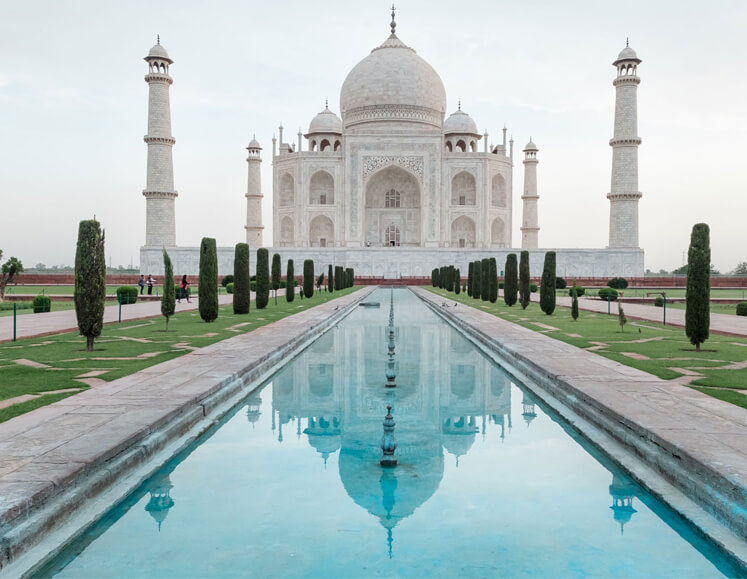
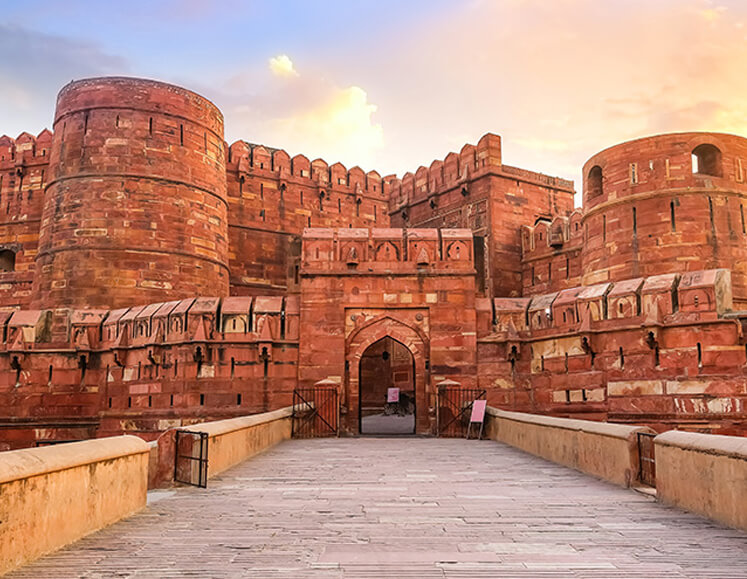
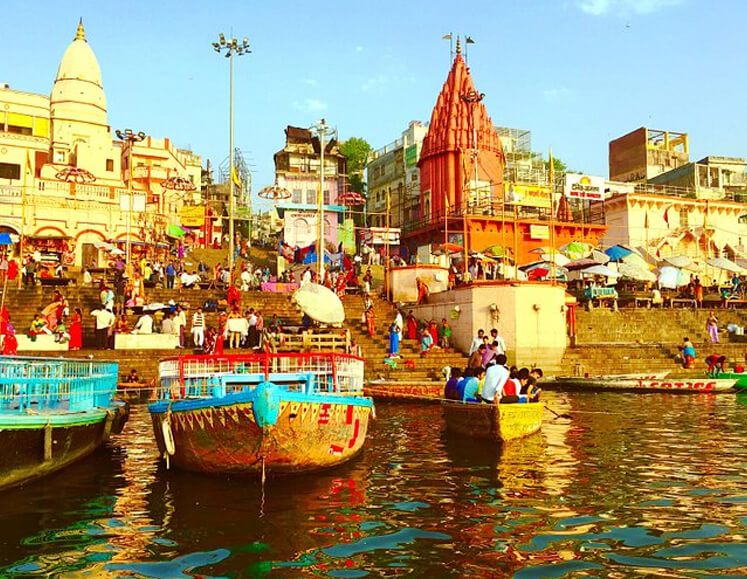
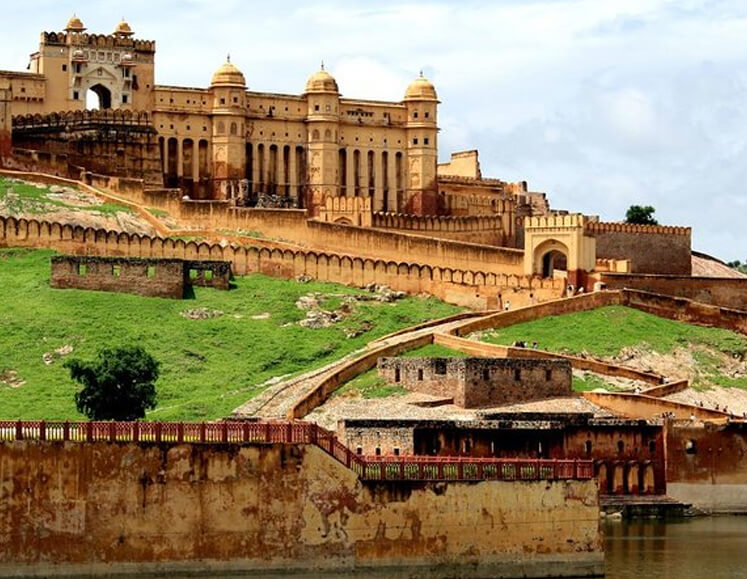
Delhi - Agra - Fatehpur - Jaipur - Delhi
Ranthambore National Park is the most popular and has the highest tiger sighting rates.
Yes. You can easily combine Ranthambore, Jawai, and Keoladeo over a 10–12 day tour.
Yes, but choose shorter safaris, preferably in open Gypsies with experienced drivers.
Yes. Local guides and naturalists greatly enhance your chance of spotting animals and understanding behavior.
Yes. Most parks have government portals or authorized operators. Early booking is advised.
Neutral-colored clothes, layers for chilly mornings, sunglasses, and a cap.
Jawai has one of the highest leopard sighting success rates in India.
Yes, Jhalana and even Sariska can be done as day trips from Jaipur.
October to March for comfort; March to June for higher chances of tiger sightings.
Yes, most resorts and camps offer full vegetarian meals along with continental and Indian options.
Ranthambore and Sariska are closed during July–September; Jawai and Jhalana may still offer limited experiences.
Absolutely. A good tour operator like Royal Rajasthan Travels can integrate both effortlessly.
Absolutely. A good tour operator like Royal Rajasthan Travels can integrate both effortlessly.
Absolutely. A good tour operator like Royal Rajasthan Travels can integrate both effortlessly.
Absolutely. A good tour operator like Royal Rajasthan Travels can integrate both effortlessly.