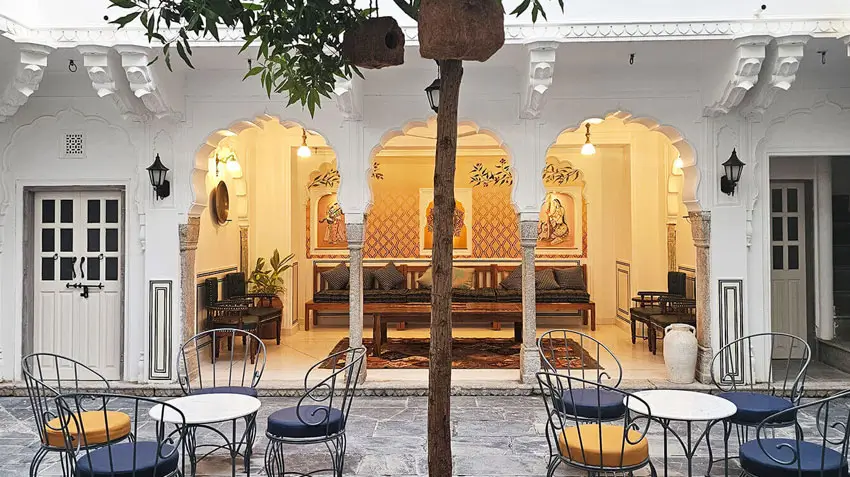
When travelers think of Rajasthan, they often imagine massive forts like Mehrangarh, royal palaces such as the City Palace Udaipur, and luxury hotels like the Oberoi. Yet, tucked away in bustling cities and quiet towns are hidden heritage havelis-grand mansions once home to noble families, aristocrats, and wealthy merchants. Unlike towering palaces, havelis were designed as intimate yet ornate homes, with intricately carved facades, open courtyards, and fresco-painted interiors.
Many of these architectural treasures have survived the test of time and are now lovingly restored into boutique heritage stays. Unlike commercial hotels, they offer an atmosphere of warmth, nostalgia, and authenticity. Guests are welcomed not just with luxury, but also with personal family hospitality—something that makes these stays unforgettable.
This guide takes you through Rajasthan’s best hidden havelis where you can actually stay in 2025, across Jaipur, Udaipur, Jodhpur, Shekhawati, Bundi, and Bikaner. Each haveli has its own story—of dynasties, trade routes, artistic traditions, and the timeless beauty of Rajputana life.
Jaipur, Rajasthan’s capital, is famous for its pink-hued architecture and majestic forts. Beyond the popular luxury palaces, the city hides havelis that combine grandeur with intimacy.
Samode Haveli
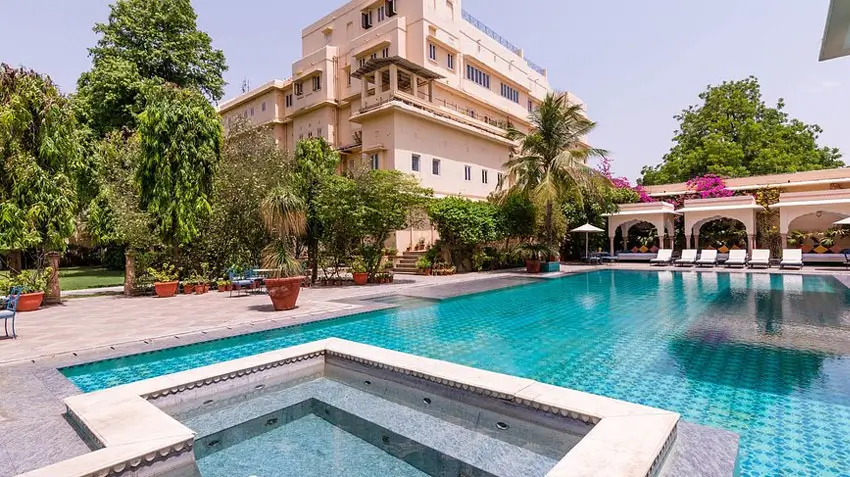
Built over 200 years ago, Samode Haveli was once the townhouse of the rulers of Samode. Today, it remains one of the most beautiful examples of Indo-Saracenic architecture. Guests can enjoy fresco-painted courtyards, Mughal-style gardens, and rooms decorated with antique furniture. Its swimming pool with mosaic tiles is a highlight. Staying here feels like being a guest of Jaipur’s nobility.
Shahpura House
Once belonging to the rulers of Shahpura, this haveli has stained glass windows, domed pavilions, and marble staircases that transport you to a bygone era. The family still resides in part of the haveli, making hospitality warm and personal. It’s ideal for travelers who want luxury without the formality of a five-star hotel.
Royal Heritage Haveli
Built in the 18th century by Madho Singh Ji, this haveli offers tranquility amidst landscaped gardens. Its suites are decorated with hand-painted frescoes, and the courtyards exude serenity. It is a perfect hideaway for couples and wellness seekers.
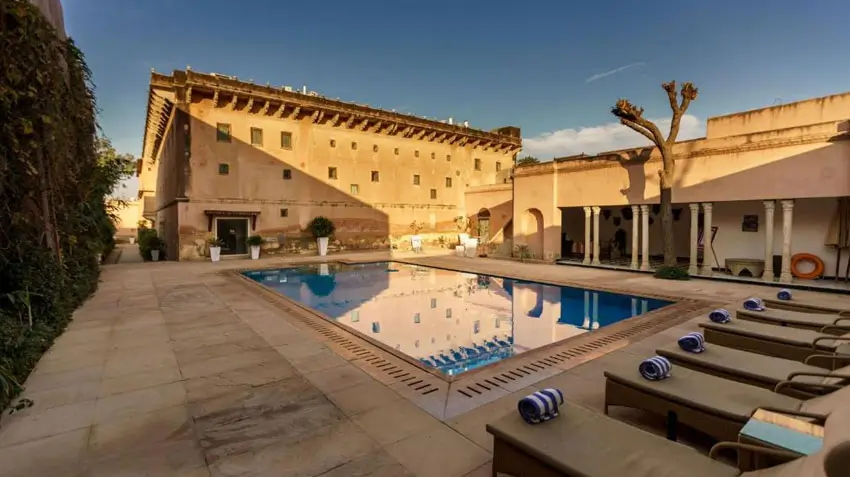
The Shekhawati region (covering Mandawa, Nawalgarh, Dundlod, and Churu) is famous for its fresco-painted havelis. Wealthy Marwari traders who dealt in silk and spices built these mansions in the 18th–19th centuries, adorning their walls with paintings of gods, maharajas, British officers, and even motorcars. Many havelis remain abandoned, but some have been beautifully restored.
Vivaana Culture Hotel (Mandawa)
This 19th-century haveli has been turned into a boutique heritage hotel. Every wall is covered with frescoes, from mythological scenes to portraits of local rulers. Guests stay in heritage rooms with antique furniture while enjoying modern comforts.
Castle Mandawa
Though technically a fort, Castle Mandawa includes haveli-style courtyards and heritage rooms that showcase Shekhawati’s art traditions. It often hosts folk performances and camel cart rides, giving guests a cultural immersion.
Malji Ka Kamra (Churu)
Built in the early 20th century, this haveli has Italian-inspired columns mixed with Rajasthani frescoes. The blend of European and local designs makes it unique. It is perfect for travelers seeking something offbeat.
Jodhpur is dominated by Mehrangarh Fort and the Umaid Bhawan Palace, but its old city is filled with havelis that showcase a quieter side of heritage.
Raas Jodhpur
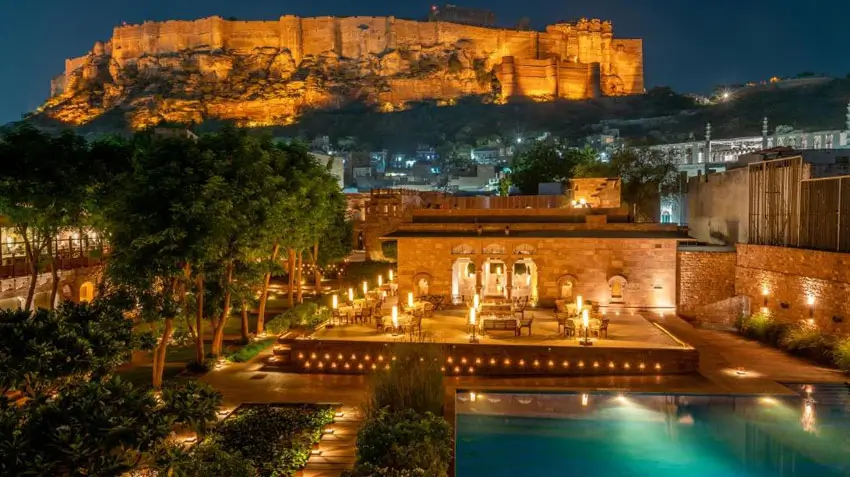
Located at the foot of Mehrangarh Fort, Raas is a boutique property that combines modern architecture with restored haveli courtyards. Rooms open to fort views, while the central pool and sandstone walls create an enchanting ambiance.
Pal Haveli
Built 300 years ago by the Thakur of Osian, Pal Haveli is still owned by the same family. It has 21 rooms decorated with antique furniture and a rooftop restaurant offering panoramic views of Mehrangarh and the clock tower. Staying here gives a sense of living history.
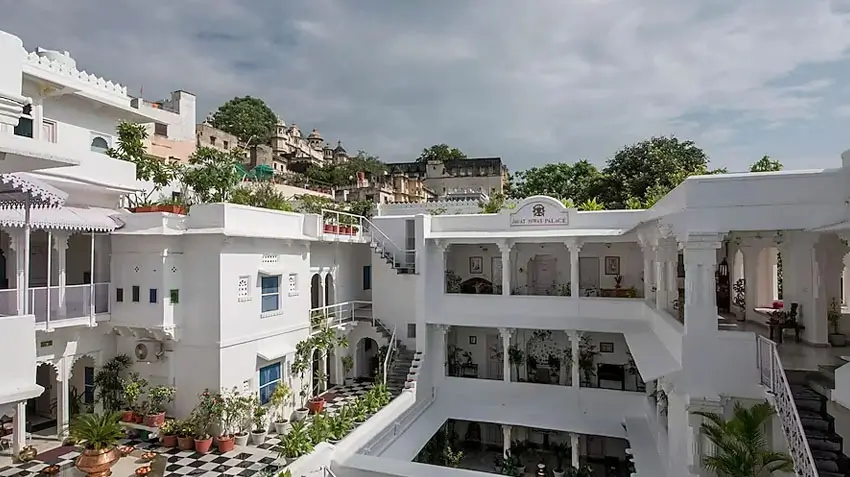
Udaipur, the city of lakes, has some of the most atmospheric havelis, many perched along Lake Pichola.
Jagat Niwas Palace
A 17th-century haveli restored into a boutique hotel, it offers rooms with jharokhas overlooking Lake Pichola. Dining here while gazing at the City Palace across the lake is a magical experience.
Amet Haveli
Dating back to 1734, Amet Haveli is known for its lakeside gardens and heritage rooms. Its restaurant, Ambrai, is one of Udaipur’s most famous, offering unforgettable sunset views.
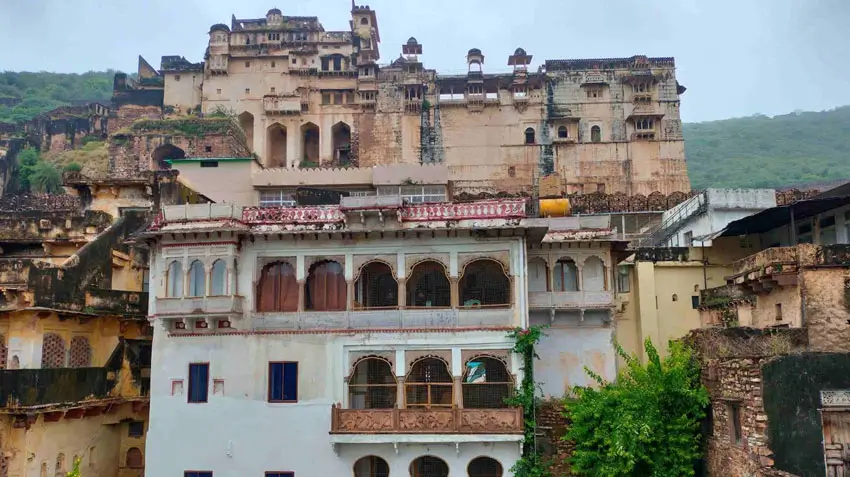
Bundi remains one of Rajasthan’s least commercialized towns. Known for Taragarh Fort and stepwells, it also has charming havelis.
Haveli Braj Bhushanjee
A 200-year-old haveli still run by the Braj family, it offers fresco-painted courtyards and authentic Rajput hospitality. Guests often interact with the hosts, learning about Bundi’s traditions.
Dev Niwas
Situated at the base of Taragarh Fort, this haveli offers simple but atmospheric heritage rooms. Its terrace views of the fort at sunset are breathtaking.
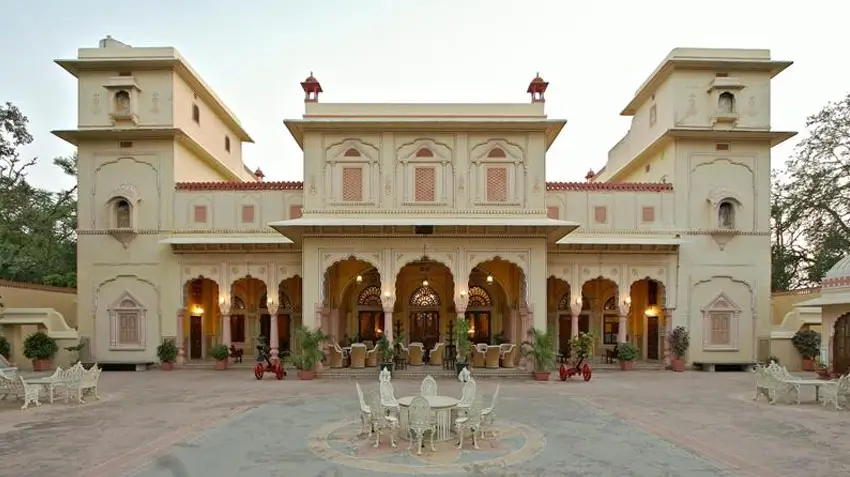
Bhanwar Niwas (Bikaner)
Built in 1927 by a Rampuria family merchant, this haveli is the finest in Bikaner. It combines red sandstone exteriors with intricately designed interiors. Staying here is like living in a Rajasthani merchant’s mansion.
Mandir Palace (Jaisalmer)
Though part palace, it has haveli-style wings with carved balconies and courtyards. Its golden sandstone glow at sunset makes it one of Jaisalmer’s most atmospheric stays.
For curated heritage haveli stays and luxury Rajasthan travel planning:
Royal Rajasthan Travels
Owner – Vikas Khabrani
Mobile – +91-94140 46260
Website – www.royalrajasthantravels.com
A haveli is a traditional mansion built by nobles or traders, with courtyards, jharokhas, and fresco-painted walls.
Yes, converted heritage havelis are safe, well-maintained, and often family-run.
The Shekhawati region is most famous, with Mandawa and Nawalgarh having hundreds of painted havelis.
Some are luxury boutique (Samode Haveli, Shahpura House), while others are simpler but atmospheric (Dev Niwas Bundi).
Yes, many havelis offer romantic suites with courtyards and balconies.
Yes, most combine heritage with Wi-Fi, air-conditioning, and modern bathrooms.
₹3,000–₹8,000 for budget havelis; ₹15,000–₹25,000+ for luxury ones.
Yes, many offer folk music, puppet shows, and cooking classes.
Yes, many have large suites and warm hosts, suitable for families.
Yes, most are listed on portals, but direct booking often ensures better customization.
Vivaana in Mandawa and Bhanwar Niwas in Bikaner are highly unique.
Yes, havelis provide cultural depth and intimacy, while palaces offer grandeur. A mix of both is ideal.