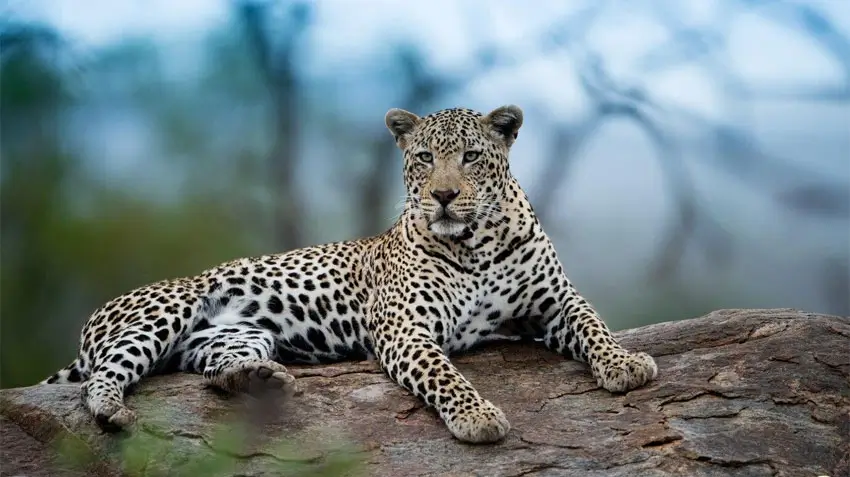
Hidden between Jodhpur and Udaipur in Rajasthan lies one of India’s most extraordinary wildlife landscapes. Unlike traditional forest reserves, Jawai offers a rare and almost cinematic setting where leopards roam freely across granite hills, pastoral villages, and open scrubland. A Jawai leopard safari is not simply about spotting wildlife; it is about witnessing a remarkable coexistence between predators and local communities.
Jawai has gained global recognition among wildlife enthusiasts because of its unusually high leopard visibility. The open rocky terrain provides better sightlines compared to dense jungle parks. Unlike structured national parks with strict entry gates, Jawai operates within a semi-wild conservation landscape that blends natural habitat with rural life.
This guide provides detailed insight into planning a successful Jawai safari experience, including how the safari works, best visiting months, accommodation styles, photography expectations, and practical travel considerations.
Most Indian wildlife safaris take place inside protected national parks dominated by dense forests. Jawai is different. The terrain consists of massive granite formations, open grasslands, and scattered rural settlements. This unique geography creates natural caves and resting zones where leopards frequently appear.
Because the landscape is relatively open, the chances of spotting leopards during a Jawai leopard safari tour are higher compared to forest-based leopard habitats. The animals are not confined by strict park boundaries but move across a defined ecological zone monitored by experienced local trackers.
Another remarkable aspect of Jawai is the peaceful coexistence between wildlife and local Rabari shepherd communities. Leopards here have adapted to living alongside villages without significant conflict. This coexistence gives Jawai a distinct identity compared to conventional wildlife reserves.
The absence of heavy tourist traffic also preserves the authenticity of the experience.
Experience the thrill of spotting leopards in their natural habitat near Ranthambore. Our Jawai Leopard Safari tours include expert guides, comfortable jeeps, and complete travel arrangements for a safe and unforgettable wildlife experience.
Chat On WhatsApp Contact UsA Jawai safari typically takes place in open 4x4 vehicles accompanied by trained trackers and drivers familiar with leopard movement patterns. Safari timings usually align with early morning and late afternoon when wildlife activity is highest.
Unlike tiger reserves governed by strict zone allocations, Jawai safaris operate in designated tracking regions across granite hills. Drivers use knowledge of pugmarks, movement history, and local intelligence to locate leopards.
Safari duration generally ranges between two and three hours per drive. Sightings are never guaranteed, but Jawai is widely regarded as one of the most consistent locations in India for leopard encounters.
Apart from leopards, the region also hosts hyenas, desert foxes, nilgai, crocodiles near Jawai Dam, and a variety of bird species. The dramatic rock formations and open skies create visually striking safari scenes.
Timing significantly influences the success of a Jawai wildlife safari. Cooler months offer comfortable temperatures and better wildlife activity. Early mornings provide crisp air and soft light ideal for photography.
Warmer months often increase wildlife visibility near water sources, but temperatures can rise significantly during midday. Therefore, safari drives are scheduled during cooler hours.
Monsoon months may temporarily limit access depending on road conditions. Checking seasonal accessibility before finalizing travel dates is essential.
For photography enthusiasts, transitional seasons provide balanced lighting conditions and atmospheric landscapes.
Accommodation in Jawai reflects its boutique and exclusive character. Unlike commercialized safari towns, Jawai offers luxury tented camps and intimate safari lodges designed to blend into the natural environment.
Most properties emphasize sustainable design, open dining areas, and panoramic views of granite hills. Staying in these camps enhances the immersive experience of a Jawai leopard safari Rajasthan itinerary.
Luxury tented camps often provide guided safaris, curated dining, and personalized service. Some properties also arrange village visits and birdwatching walks.
Because accommodation capacity is limited, advance booking is strongly recommended during peak wildlife seasons.
Jawai is considered a paradise for wildlife photographers. The open terrain allows clearer lines of sight compared to forest environments. Leopards often perch dramatically on rocky outcrops, creating visually powerful compositions.
Golden hour light over granite hills enhances texture and depth. Photographers benefit from unobstructed horizons and minimal vegetation interference.
Unlike crowded national parks, Jawai’s lower vehicle density allows more positioning flexibility during sightings.
Carrying telephoto lenses and preparing for quick movements is advisable.
Jawai fits seamlessly into a broader Rajasthan wildlife itinerary. Located between Jodhpur and Udaipur, it can be inserted naturally into a multi-city road journey.
Travelers exploring Jaipur, Jodhpur, and Udaipur often allocate one or two nights in Jawai for leopard safaris. This combination creates a balanced mix of royal heritage and raw wilderness.
Extending a Rajasthan private driver tour to include Jawai adds dramatic wildlife contrast to architectural exploration.
Explore the wild side of Rajasthan with a thrilling Jawai Leopard Safari. Ride through rocky landscapes with experienced naturalists and increase your chances of spotting leopards, hyenas, and other wildlife in their natural habitat near Ranthambore.
Chat On WhatsApp Contact UsEthical wildlife viewing remains essential in Jawai. Maintaining safe distances, avoiding loud noises, and following guide instructions protect both animals and habitat integrity.
Supporting eco-conscious lodges contributes to sustainable tourism. Respect for local communities enhances the positive impact of safari tourism.
Choosing experienced safari operators ensures compliance with regional conservation guidelines.
While Ranthambore specializes in tigers and operates as a national park, Jawai focuses primarily on leopards within open terrain. The choice depends on wildlife interest.
Travelers seeking tiger encounters often prefer Ranthambore. Those specifically interested in leopards and dramatic rocky landscapes often find Jawai more rewarding.
Many wildlife enthusiasts combine both destinations within a longer Rajasthan safari tour for varied predator experiences.
For structured planning of your Jawai leopard safari, luxury camp selection, private driver coordination, and multi-city Rajasthan wildlife itinerary, you can directly connect with:
Vikas Khabrani
Owner – Royal Rajasthan Travels
Call / WhatsApp: +91-9414046260
Email: info.royalrajasthan@gmail.com
Professional coordination ensures well-timed safari drives and seamless integration into your Rajasthan journey.
Jawai is situated between Jodhpur and Udaipur in western Rajasthan.
Jawai is known for relatively high leopard visibility compared to many other regions.
Two to three safari drives increase sighting opportunities.
Yes, the open terrain offers excellent photography conditions.
Open 4x4 vehicles are typically used for safari drives.
No, it is a conservation landscape rather than a formal national park.
Yes, it fits naturally between these cities.
No, it is relatively less commercialized.
Yes, boutique safari camps are available.
Vikas Khabrani at Royal Rajasthan Travels can coordinate customized planning.