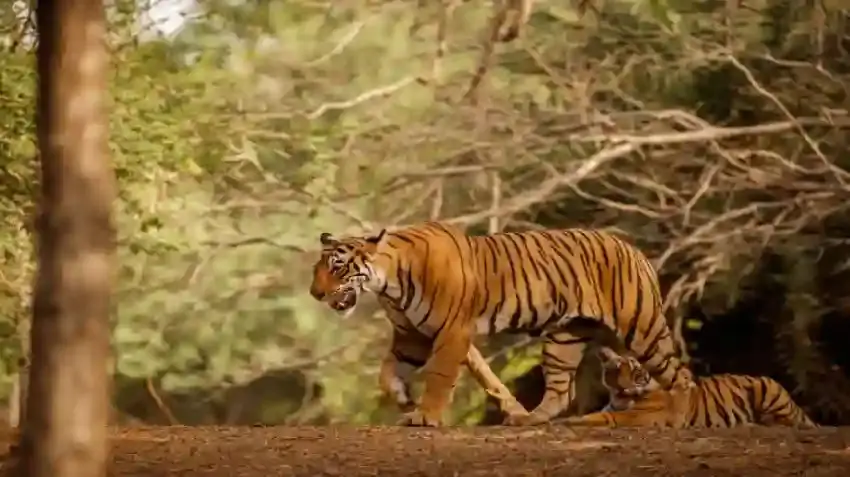
Rajasthan is globally celebrated for its palaces and desert forts, yet an equally compelling side of the state lies in its untamed landscapes. A thoughtfully planned Rajasthan wildlife safari introduces travelers to a completely different dimension of India — one defined by tiger territories, granite hills where leopards roam freely, and vast desert ecosystems where rare species survive against dramatic odds.
Unlike dense forest reserves in central India, Rajasthan’s safari landscapes are visually striking. Ancient ruins emerge from dry forests in Ranthambore. Leopards move gracefully across open granite hills in Jawai. The Desert National Park showcases resilient wildlife adapted to arid conditions. Each ecosystem offers a distinct safari experience, making Rajasthan one of the most diverse wildlife regions in the country.
This comprehensive guide explores the major wildlife destinations, safari styles, seasonal considerations, and how to structure a rewarding wildlife tour in Rajasthan without rushing or unrealistic expectations.
When discussing Rajasthan tiger safari, Ranthambore National Park naturally takes center stage. Located near Sawai Madhopur, Ranthambore is one of India’s most renowned tiger reserves. What makes this park visually unique is its dramatic combination of dry deciduous forest, open grassland, lakes, and ancient fort ruins that rise above the landscape.
The presence of Ranthambore Fort inside the reserve creates an unforgettable safari backdrop. Tigers are often spotted near lakes such as Padam Talao or Rajbagh, walking through temple ruins or resting in tall grass. The visibility in Ranthambore is generally better than in denser forests, increasing photographic opportunities.
Safari operations in Ranthambore are divided into designated zones. Each zone has its own terrain character and wildlife movement pattern. Some zones are historically known for higher tiger movement, while others offer quieter forest drives with diverse birdlife and deer species.
A typical Ranthambore safari experience involves early morning and late afternoon drives in open gypsy vehicles or larger canters. The duration is usually around three to four hours per drive. Sightings are never guaranteed, but the thrill of tracking pugmarks and alarm calls creates an atmosphere of anticipation.
Beyond tigers, Ranthambore hosts leopards, sloth bears, marsh crocodiles, sambar deer, nilgai, and numerous bird species. Even without a tiger sighting, the park’s raw beauty makes the journey worthwhile.
Explore Ranthambore, Sariska, Jawai, and other top wildlife destinations with expert planning. We assist with safari permits, best zones selection, private vehicles, and comfortable stays — so you can enjoy a smooth and memorable jungle experience.
Chat On WhatsApp Contact UsIf Ranthambore is known for tigers, Jawai is famous for its extraordinary leopard safari in Rajasthan. Located between Jodhpur and Udaipur, Jawai is unlike any conventional national park. There are no dense forests or high fences. Instead, leopards roam freely across granite hills, coexisting remarkably with local Rabari shepherd communities.
The landscape itself is striking. Massive rock formations rise dramatically from the earth, creating natural caves where leopards rest during the day. Because the terrain is relatively open, leopard sightings in Jawai are often more frequent compared to forest reserves.
What distinguishes the Jawai leopard safari is the sense of raw authenticity. The safari vehicles navigate rocky paths while experienced trackers interpret subtle signs of movement. As the sun sets behind granite hills, the atmosphere becomes cinematic.
Jawai also offers luxury tented camps and boutique safari lodges that blend comfort with wilderness immersion. The absence of dense vegetation allows for expansive views, making it particularly attractive for wildlife photographers.
Unlike tiger reserves governed strictly as national parks, Jawai operates within a community-based conservation framework. This creates a unique balance between wildlife protection and local livelihood.
While many associate Rajasthan with desert landscapes, few realize that the Desert National Park safari offers one of India’s most fascinating ecosystems. Located near Jaisalmer, this vast protected area showcases how wildlife adapts to extreme arid conditions.
The desert may appear barren at first glance, but it hosts remarkable species including the Great Indian Bustard, desert fox, chinkara, monitor lizards, and migratory birds. The sparse vegetation and open terrain create a completely different safari atmosphere compared to forest reserves.
Exploring Desert National Park involves guided jeep drives across sandy tracks and fossil-rich landscapes. The experience is less about dramatic predator sightings and more about appreciating ecological resilience.
For travelers interested in birdwatching and rare desert species, this region offers quiet, uncrowded exploration. Combining a Jaisalmer desert safari with Desert National Park creates a balanced desert and wildlife itinerary.
Timing plays a critical role in planning a successful Rajasthan wildlife tour. Cooler months generally offer more comfortable safari conditions. During moderate weather, wildlife movement increases, and morning drives are particularly productive.
In warmer months, animals frequently gather around water bodies, improving visibility but requiring early morning scheduling. Desert regions can become extremely hot during peak summer, making climate planning essential.
Safari zones may close temporarily during monsoon periods for ecological regeneration. Checking official operating schedules is important before finalizing travel dates.
Wildlife photography enthusiasts often prefer transitional seasons when lighting conditions are softer and landscapes more vibrant.
Different safari styles provide varied experiences. Open gypsy vehicles offer flexibility and better photographic angles. Larger canter vehicles accommodate more passengers but reduce maneuverability.
Private safaris offer exclusivity and personalized tracking focus. Shared safaris are more economical but limit individual flexibility.
For a premium experience, combining Ranthambore tiger safari with Jawai leopard safari provides contrasting landscapes and predator encounters within one itinerary.
Understanding these differences helps structure a safari journey that matches expectations.
A well-designed Rajasthan wildlife safari itinerary integrates wildlife destinations with heritage cities. For example, travelers may explore Jaipur before heading to Ranthambore, or combine Jawai with Udaipur and Jodhpur.
Allowing at least two safari drives per destination improves sighting opportunities. Rushing through wildlife parks with only one drive often leads to disappointment.
Balancing safari intensity with cultural relaxation ensures that the overall journey remains enriching rather than exhausting.
Experience thrilling tiger safaris, leopard sightings, and rich birdlife across Rajasthan’s top national parks. We handle safari permits, best zone selection, expert drivers, and comfortable stays — ensuring a smooth and rewarding wildlife adventure.
Chat On WhatsApp Contact UsFor photographers planning a wildlife photography tour in Rajasthan, equipment selection and positioning are important. Telephoto lenses are essential for tiger and leopard sightings. Open vehicles provide flexible shooting angles.
Light conditions differ between forests and desert landscapes. Ranthambore offers dramatic lake reflections, while Jawai provides golden-hour granite backdrops.
Hiring experienced trackers and knowledgeable drivers increases the chances of positioning vehicles effectively during sightings.
Patience remains the most important tool in wildlife photography.
A meaningful Rajasthan safari experience respects wildlife and conservation guidelines. Maintaining silence, avoiding sudden movements, and following park regulations are crucial.
Supporting eco-conscious lodges and local conservation initiatives contributes positively to long-term wildlife preservation.
Choosing licensed operators ensures compliance with government regulations and ethical tourism standards.
For personalized planning of your Rajasthan wildlife safari, safari permit coordination, leopard tracking in Jawai, or combining wildlife with palace stays, you can directly connect with Vikas Khabrani, Owner of Royal Rajasthan Travels.
Call or WhatsApp: +91-9414046260
Email: info.royalrajasthan@gmail.com
Professional consultation ensures structured safari timing, zone planning, and seamless travel coordination.
Ranthambore is the most established tiger reserve in Rajasthan and offers strong sighting potential.
At least two drives improve the probability of wildlife sightings.
Jawai specializes in leopard sightings, while Ranthambore focuses on tigers.
Sightings are frequent due to open terrain, but never guaranteed.
It showcases rare desert-adapted wildlife and bird species.
Yes, when conducted with licensed guides and drivers.
Gypsy vehicles offer better flexibility and photography angles.
Yes, with standard camera equipment permitted.
Yes, many itineraries combine safari camps with heritage hotels.
Vikas Khabrani at Royal Rajasthan Travels can coordinate customized wildlife itineraries.