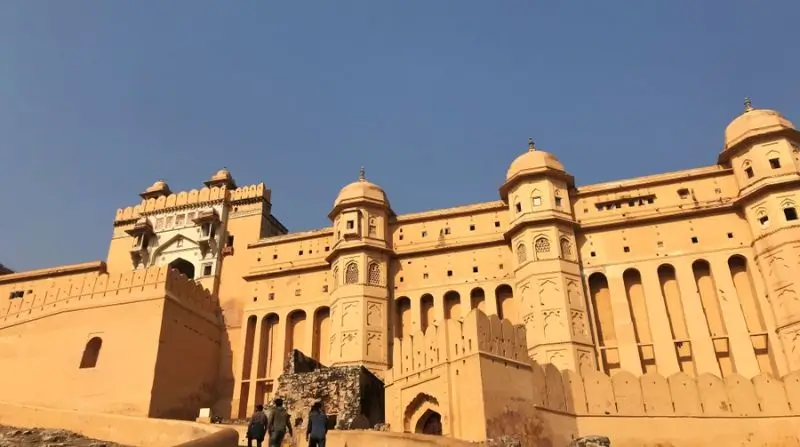
Rajasthan is home to some of India's most remarkable historical treasures, and several of them have earned recognition as UNESCO World Heritage Sites. These places represent centuries of architecture, military engineering, royal traditions and natural beauty that continue to attract visitors from around the world.
From majestic hilltop forts overlooking ancient cities to one of Asia's most important bird sanctuaries, Rajasthan's UNESCO sites offer experiences that go far beyond sightseeing. Every destination tells a different story, whether it is the bravery of Rajput rulers, the artistic achievements of royal kingdoms or the importance of conserving wildlife for future generations.
Many international travellers include these landmarks while exploring Jaipur, Jodhpur, Udaipur, Jaisalmer and Bharatpur, creating an itinerary that combines history, culture and nature. Since these attractions are spread across different parts of the state, travelling by private vehicle allows visitors to enjoy each destination comfortably without feeling rushed.
Guests travelling with Royal Rajasthan Travels often choose customised itineraries that connect Rajasthan's UNESCO sites with the Golden Triangle or other destinations across North India. Mr. Vikas Khabrani and his team carefully plan routes that reduce long travel days while giving visitors enough time to fully appreciate each monument.
UNESCO World Heritage status is awarded to places considered to have outstanding cultural or natural importance for humanity. These sites are recognised not only for their beauty but also for their historical, architectural or environmental significance.
For travellers, UNESCO recognition provides confidence that the destination represents one of the country's most valuable landmarks. It also encourages ongoing conservation so future generations can continue experiencing these remarkable places.
Rajasthan currently has UNESCO recognition in both cultural and natural categories, making it one of India's most rewarding states for heritage tourism.
Step into centuries of Rajput history through magnificent hill forts, living heritage and landscapes shaped by royal ambition. From Amber and Chittorgarh to Kumbhalgarh and Jaisalmer.
Chat On WhatsApp Contact UsOne of Rajasthan's greatest achievements is the inclusion of the Hill Forts of Rajasthan on the UNESCO World Heritage List.
Rather than recognising a single monument, UNESCO honoured a collection of six extraordinary forts that demonstrate the military strength, architectural brilliance and cultural influence of the Rajput kingdoms.
Each fort occupies a strategic location and reflects a different chapter of Rajasthan's royal history. Together they showcase impressive defensive walls, magnificent palaces, temples, reservoirs and entire fortified cities built to withstand invasions while supporting thriving royal communities.
Although every fort has its own character, all of them illustrate the remarkable engineering skills that allowed Rajasthan's rulers to build powerful kingdoms across challenging landscapes.
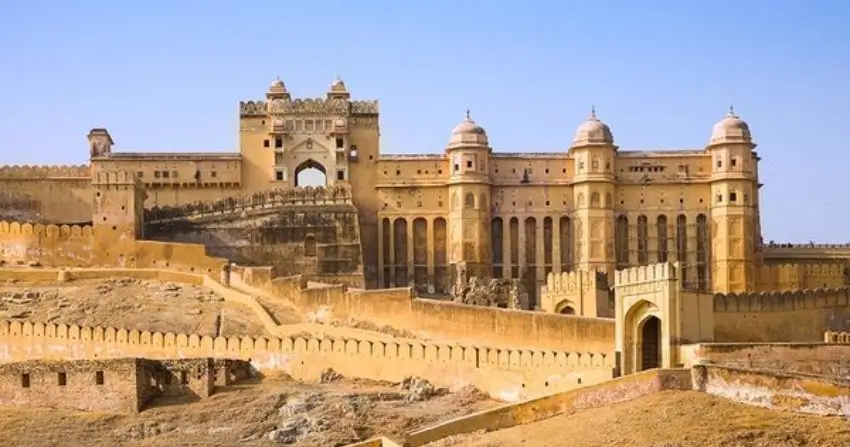
Located just outside Jaipur, Amber Fort is one of Rajasthan's best-known landmarks.
Built using sandstone and marble, the fort combines impressive defensive architecture with elegant royal residences, beautifully decorated courtyards and intricate mirror work. Visitors exploring the complex quickly understand why it became one of India's most celebrated heritage monuments.
The views overlooking Maota Lake and the surrounding Aravalli Hills add another dimension to the visit, making Amber Fort one of the highlights of any Rajasthan itinerary.
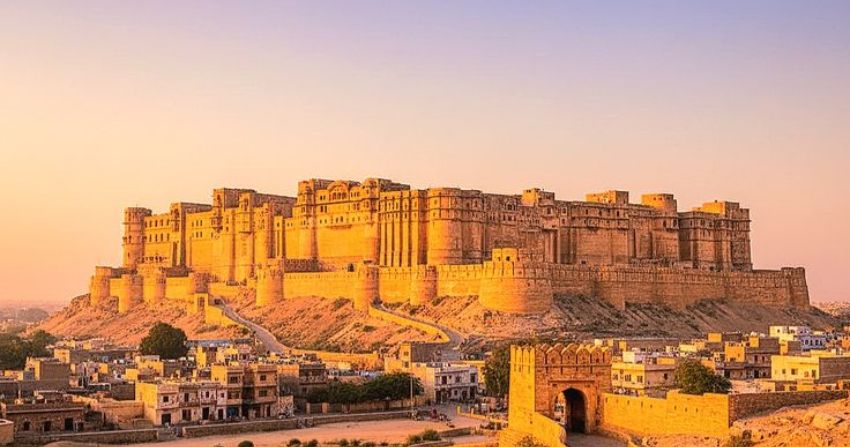
Unlike most historic forts around the world, Jaisalmer Fort remains a living fort where thousands of residents continue to live within its ancient walls.
Constructed from golden sandstone, the fort appears to glow during sunrise and sunset, earning Jaisalmer its famous nickname, the Golden City.
Inside the fort, visitors discover narrow lanes lined with traditional houses, Jain temples, cafés, handicraft shops and centuries-old architecture that still serves everyday life.
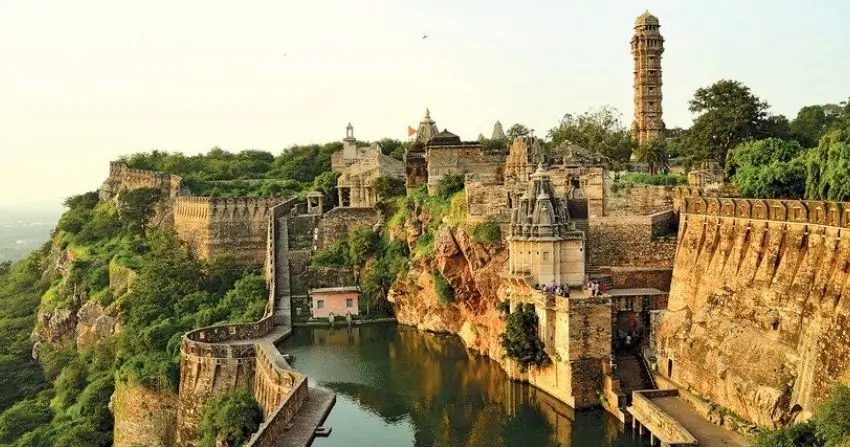
Standing on a massive hilltop plateau, Chittorgarh Fort is closely associated with stories of courage, sacrifice and Rajput honour.
The enormous complex contains palaces, temples, towers and water reservoirs spread across a vast area. Walking through its gates allows visitors to imagine the scale of one of India's most powerful medieval kingdoms.
Its historical importance makes Chittorgarh one of the most meaningful destinations for travellers interested in Rajasthan's royal past.
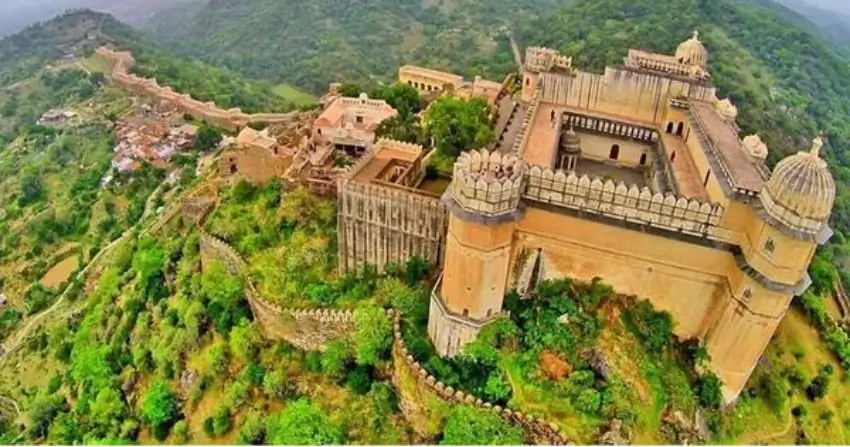
Famous for its enormous defensive wall stretching across the surrounding hills, Kumbhalgarh Fort is often compared to some of the world's greatest military fortifications.
The fort's location high within the Aravalli Range provided natural protection, while its impressive walls extended for dozens of kilometres across rugged terrain.
Besides its remarkable architecture, Kumbhalgarh is also recognised as the birthplace of Maharana Pratap, one of Rajasthan's most respected rulers.
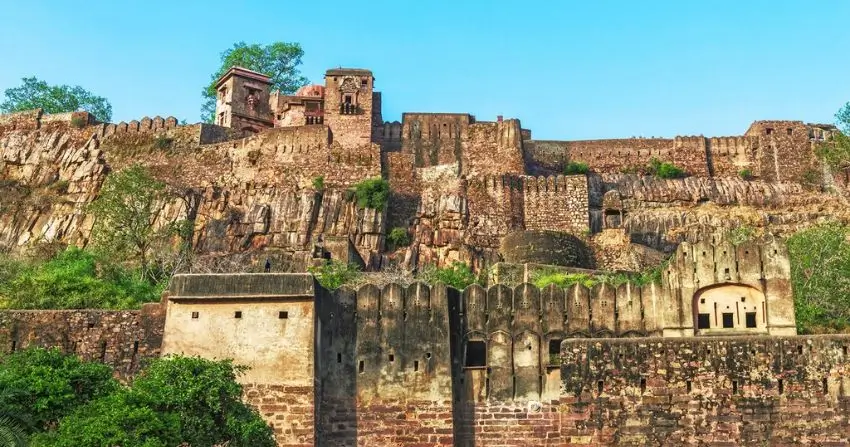
Standing high above the forests of Ranthambore National Park, Ranthambore Fort is one of Rajasthan's most distinctive UNESCO World Heritage Sites. Unlike many forts that overlook cities, this historic stronghold rises from within a protected tiger reserve, creating a setting where history and wildlife exist side by side.
The fort dates back several centuries and has witnessed the rule of different kingdoms throughout its history. Today, visitors walk through ancient gateways, temples and palace ruins while enjoying panoramic views of the surrounding forests and lakes. During the journey to the fort, it is not unusual to spot deer, langurs, peacocks and a variety of bird species. Although tiger sightings near the fort itself are rare, the location offers a unique combination of cultural heritage and natural beauty.
Many travellers visiting Ranthambore include both a wildlife safari and a visit to the fort, creating one of the most memorable experiences in Rajasthan.
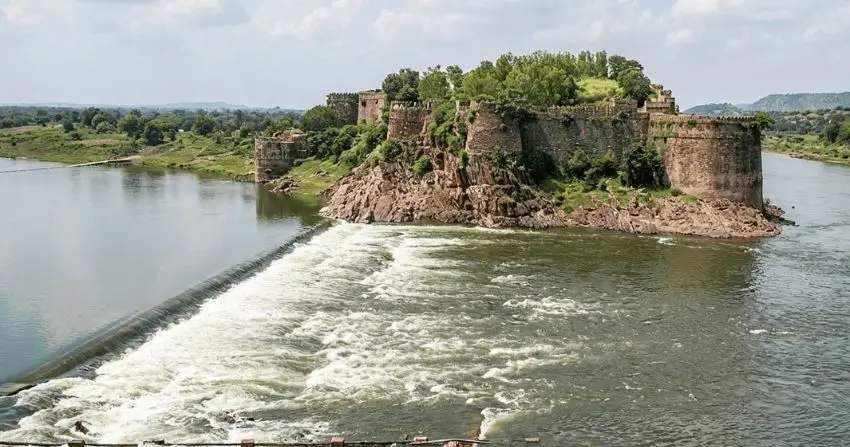
Located near Jhalawar, Gagron Fort is unlike any other fort in Rajasthan because it is surrounded by water on three sides and protected by hills on the fourth. This unusual setting made it one of the strongest defensive forts in medieval India.
Built at the meeting point of the Ahu and Kali Sindh rivers, Gagron Fort demonstrates how natural geography was used as part of military strategy. Massive stone walls rise directly from the rivers, creating an impressive sight that has remained largely unchanged for centuries.
Compared with Rajasthan's more famous forts, Gagron receives fewer visitors, making it an excellent destination for travellers who enjoy quieter heritage sites. Walking through its gateways and open courtyards provides a peaceful atmosphere while offering insight into the engineering skills of Rajasthan's early rulers.
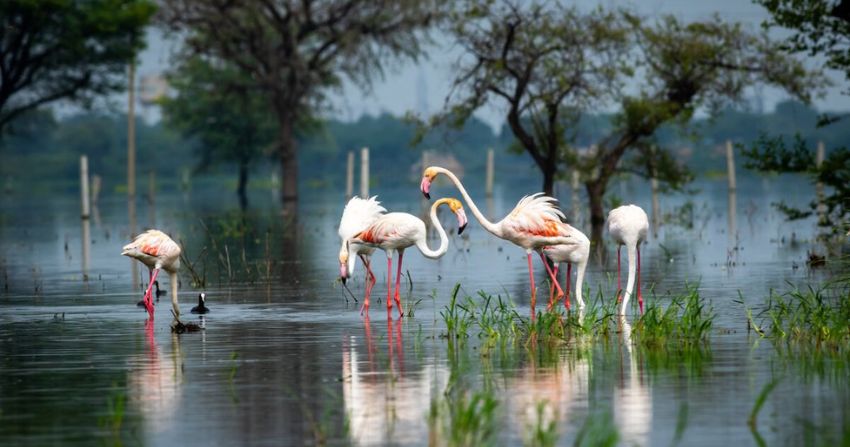
Rajasthan's second UNESCO World Heritage Site belongs to a completely different category. Keoladeo National Park, located in Bharatpur, is recognised for its outstanding ecological importance rather than its royal architecture.
Originally developed as a royal duck hunting reserve, the area has become one of the world's most significant bird sanctuaries. Every year, hundreds of bird species either live here permanently or migrate from distant regions, making the park one of the finest birdwatching destinations in Asia.
Visitors can explore the park by bicycle, cycle rickshaw or on foot while following peaceful trails through wetlands, lakes and woodlands. Depending on the season, it is possible to see painted storks, pelicans, kingfishers, owls, eagles, cranes and numerous migratory birds.
Unlike many wildlife parks where visitors search for a single animal, Keoladeo offers a constantly changing landscape filled with birds, making every visit unique.
Discover the monumental forts, ancient architecture and enduring stories that define Rajasthan’s royal legacy.
Chat On WhatsApp Contact UsBecause these UNESCO sites are spread across different regions of Rajasthan, careful planning helps create a smoother journey.
Many international visitors begin in Jaipur, where Amber Fort is easily combined with the city's other famous attractions. From there, travellers often continue towards Ranthambore, followed by Chittorgarh, Udaipur, Kumbhalgarh and Jaisalmer.
Those interested in birdwatching frequently include Keoladeo National Park near Bharatpur before travelling towards Jaipur or Agra, making it an ideal addition to a Golden Triangle itinerary.
Rather than rushing between destinations, spending one or two nights in each city allows enough time to appreciate both the UNESCO monuments and the surrounding culture.
The best experience comes from arriving early in the morning when temperatures are cooler and the monuments are less crowded. Comfortable walking shoes are highly recommended because many forts include uneven stone pathways and historic staircases.
Carrying drinking water, sunscreen and a hat is particularly important during warmer months, as several forts require extended periods outdoors.
Hiring an experienced local guide can also make the visit much more rewarding. Understanding the stories behind the palaces, temples and defensive structures brings these historic sites to life in a way that photographs alone cannot.
Visiting Rajasthan's UNESCO World Heritage Sites is about much more than collecting famous landmarks. Every fort, palace and wildlife sanctuary reflects centuries of history, architecture, culture and conservation that continue to shape the identity of the state today.
Travelling between these destinations with a private Rajasthan tour allows visitors to enjoy each location without worrying about transport schedules or rushed sightseeing. Guests travelling with Royal Rajasthan Travels benefit from carefully planned itineraries, experienced drivers and local knowledge that help transform a sightseeing trip into a memorable cultural experience.
Whether you are fascinated by medieval forts, royal history, architecture or birdwatching, Mr. Vikas Khabrani and his team can create a customised Rajasthan journey that includes the state's most celebrated UNESCO landmarks while ensuring a comfortable and enjoyable travel experience.
Rajasthan has UNESCO World Heritage Sites in both the cultural and natural categories, including the Hill Forts of Rajasthan and Keoladeo National Park.
The six forts are Amber Fort, Chittorgarh Fort, Kumbhalgarh Fort, Jaisalmer Fort, Ranthambore Fort and Gagron Fort.
Amber Fort in Jaipur is one of the most visited UNESCO World Heritage Sites in Rajasthan.
It is one of the world's few living forts, where thousands of people continue to live and work within its historic walls.
Yes. It is one of India's premier bird sanctuaries and attracts hundreds of resident and migratory bird species.
A well-planned itinerary of 8 to 12 days allows visitors to explore most of the major UNESCO sites comfortably.
Amber Fort, Jaisalmer Fort and Kumbhalgarh Fort are among the most popular choices for photography because of their impressive architecture and scenic surroundings.
Yes, although the cooler months provide the most comfortable conditions for sightseeing.
Yes. A knowledgeable guide helps visitors understand the history, architecture and cultural significance of each UNESCO site.
Yes. Royal Rajasthan Travels offers customised private tours covering Rajasthan's UNESCO World Heritage Sites, with comfortable transportation, experienced drivers and flexible itineraries designed for international travellers.