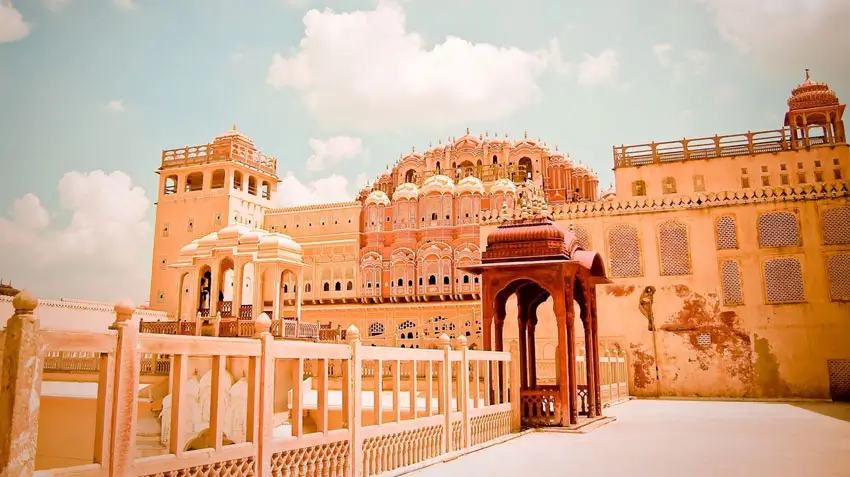
For millions of Hindus across the world, the Ramayana pilgrimage is not just a religious journey. It is a return to a sacred storyline embedded across borders, landscapes, and generations. Ayodhya represents the birthplace of Lord Ram. Sri Lanka represents the kingdom of Lanka ruled by Ravana. Between these two points lies one of the most spiritually powerful cross-border circuits in South Asia — the Ramayana Trail from Ayodhya to Sigiriya.
NRIs increasingly search for terms like Ramayana tour India and Sri Lanka, Ayodhya to Sri Lanka pilgrimage, Sigiriya Ramayana connection, and luxury Ramayana circuit for families. The desire is not only devotional but experiential. Families want to walk the geography of the epic, not just read about it.
Combining Ayodhya (India) with Sigiriya (Sri Lanka) creates a narrative pilgrimage — one that connects birthplace, exile, battle, and return. It also offers a structured spiritual itinerary suitable for multi-generational NRI families.
Ayodhya stands at the heart of the Ram Janmabhoomi pilgrimage. The city is layered with temples, ghats, and sacred ponds that form the devotional foundation of the Ramayana story.
Key spiritual landmarks include:
• Ram Mandir Ayodhya
• Hanuman Garhi
• Kanak Bhawan
• Nageshwarnath Temple
• Ram Ki Paidi
For NRIs visiting India with limited time, Ayodhya is the emotional anchor. The darshan at Ram Mandir represents the beginning of the sacred storyline.
However, many families stop here without exploring the geographical continuation of the epic. The exile, the journey south, the crossing into Lanka — these form the second half of the Ramayana narrative.
That continuation leads to Sri Lanka.
Enjoy hassle-free travel across India with expert guidance from Royal Rajasthan Travels. From heritage tours and luxury stays to complete travel assistance, we make your journey seamless and memorable. Let us help you explore India in style!
Chat On WhatsApp Contact UsSigiriya, often referred to as Lion Rock, is one of Sri Lanka’s most iconic heritage sites. While modern archaeology identifies it as a fortress built by King Kashyapa, Ramayana traditions associate regions around Sigiriya with Ravana’s Lanka.
Travelers searching for Sigiriya Ramayana connection often discover that several sites in Sri Lanka are linked to the epic:
• Ashok Vatika (associated with Sita’s captivity)
• Ravana Ella Cave
• Divurumpola Temple
• Munneswaram Temple
• Sigiriya region fortifications
For spiritual pilgrims, these sites transform Sri Lanka from a beach destination into a sacred geography.
Combining Ayodhya to Sigiriya pilgrimage completes the mythological arc.
NRIs often seek structured pilgrimages that connect heritage and identity. The Ramayana spiritual circuit offers:
• Religious fulfillment
• Cultural education for children
• Multi-generational bonding
• Cross-border heritage exposure
• Narrative continuity
Instead of visiting Ayodhya as a standalone stop, extending the journey to Sri Lanka creates a pilgrimage story that spans countries.
For diaspora families, this experience becomes both devotional and educational.
Practical planning matters. The journey typically involves:
Ayodhya → Lucknow or Delhi → Colombo (Sri Lanka)
From Colombo, travelers proceed by road or domestic flight to Sigiriya region.
Travel considerations include:
• Valid passport
• Sri Lanka tourist visa (ETA system)
• Flight duration approximately 3–4 hours from North India
• Private vehicle recommended within Sri Lanka
Cross-border coordination requires thoughtful scheduling but is manageable within a 7–10 day itinerary.
A balanced itinerary may include:
This structure allows devotional immersion without rushing elderly family members.
Search demand for luxury Ramayana tour India Sri Lanka reflects changing expectations. NRI families prefer:
• Private air-conditioned vehicles
• Heritage palace stays
• Verified hotel hygiene standards
• Structured darshan slots
• Senior-friendly pacing
Sri Lanka offers boutique jungle lodges and heritage villas near Sigiriya. India offers palace-style accommodations in Ayodhya’s developing hospitality landscape and extended circuits through Varanasi or Jaipur.
Luxury planning does not dilute spirituality. It ensures comfort for grandparents and children alike.
Several Sri Lankan locations are traditionally associated with the epic.
Ashok Vatika is believed to be the garden where Sita was kept captive.
Divurumpola Temple is associated with Sita’s Agni Pariksha.
Ravana Ella Cave connects to Ravana’s mythological presence.
Munneswaram Temple reflects post-war repentance traditions.
While historians debate the exact correlations, devotional pilgrims focus on symbolic connection rather than archaeological proof.
The Ramayana Trail Sri Lanka continues to attract Hindu pilgrims from India, Mauritius, Malaysia, and the global diaspora.
Ayodhya reflects North Indian temple culture — ghats, aarti ceremonies, Sanskrit chants.
Sigiriya region blends Buddhist heritage with Ramayana mythology.
NRIs often appreciate this contrast. It broadens spiritual understanding rather than limiting it to a single temple tradition.
Sri Lanka’s landscape — lush forests, rock fortresses, and waterfalls — adds environmental depth to the pilgrimage.
Safety and Comfort for Senior Pilgrims
Multi-generational travel requires thoughtful pacing.
Ayodhya involves walking through temple complexes and controlled entry zones.
Sigiriya’s rock fortress climb can be physically demanding. Alternatives should be arranged for elderly family members.
Private transport, wheelchair-accessible hotels, and slow-paced scheduling make the Ramayana pilgrimage tour manageable for all age groups.
Diaspora families often seek reconnection with sacred narratives in tangible form.
Children raised abroad may know the Ramayana through stories. Walking the physical sites makes mythology real.
Combining Ayodhya and Sigiriya pilgrimage strengthens cultural continuity.
It also transforms a standard temple visit into an international spiritual journey.
Indian passport holders require an online ETA for Sri Lanka.
Foreign passport holders must verify entry requirements.
Flights between India and Colombo operate regularly from major hubs.
Advance booking is recommended during peak pilgrimage periods.
October to March offers comfortable travel conditions in both Ayodhya and Sri Lanka.
Monsoon months affect road travel in Sri Lanka’s hill regions.
Avoid scheduling during extreme summer heat in North India.
Enjoy hassle-free travel across India with expert guidance from Royal Rajasthan Travels. From heritage tours and luxury stays to complete travel assistance, we make your journey seamless and memorable. Let us help you explore India in style!
Chat On WhatsApp Contact UsThe Ramayana Trail India Sri Lanka offers educational immersion:
• Understanding epic geography
• Exploring South Asian history
• Observing interfaith coexistence
• Learning cross-border heritage narratives
For NRI children, this becomes a cultural classroom beyond textbooks.
Some families extend the journey to:
• Rameswaram in Tamil Nadu
• Nuwara Eliya in Sri Lanka
• Colombo cultural tours
• Jaipur or Udaipur heritage stays
Such extensions transform the pilgrimage into a broader South Asian cultural circuit.
The Ramayana does not end in Ayodhya. Nor does it exist solely within India’s political boundaries.
The epic’s geography stretches into Sri Lanka, and pilgrims who follow that route experience narrative completion.
Walking the path from Ram Janmabhoomi Ayodhya to Sigiriya Lanka connects origin and exile in one continuous journey.
It is associated through tradition, though historians debate exact correlations.
Seven to ten days allows balanced pacing.
Yes, an online ETA is required.
Yes, with proper pacing and private transport arrangements.
Yes, private curated itineraries are widely available.
Climbing the rock fortress requires stamina; alternatives exist.
Yes, it offers strong educational and cultural value.
October to March provides comfortable conditions.
It represents the origin, but Sri Lanka completes the narrative arc.
Yes, itineraries can be tailored to family needs.