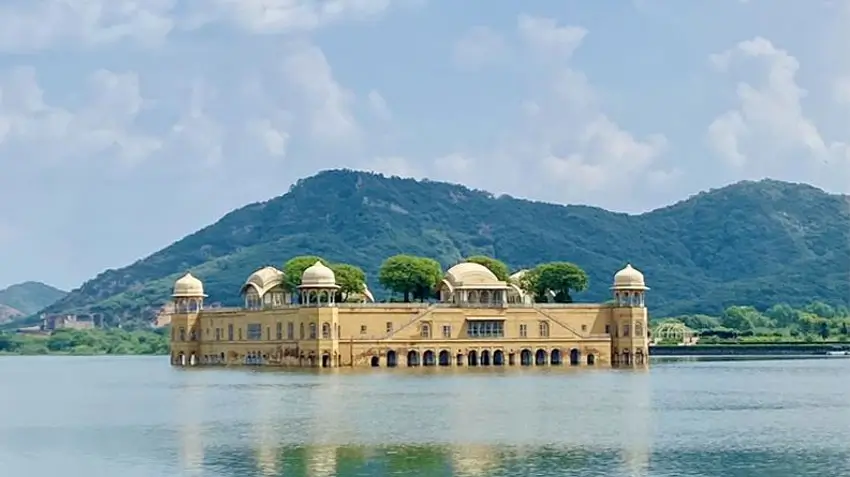
The royal lifestyle of Rajasthan is not a memory frozen in stone. It is a continuum shaped by geography, warfare, diplomacy, ritual, and adaptation. While political authority has transformed, the cultural presence of royalty remains deeply woven into Rajasthan’s social fabric. Palaces are still lived in, traditions are still practiced, and royal identity continues to guide heritage preservation, hospitality, and ceremonial life.
Unlike monarchies that faded entirely after political change, Rajasthan’s royalty evolved. The royal lifestyle here moved from governance to guardianship, from power to patronage. This evolution defines what “royal” means in Rajasthan today.
To understand the royal lifestyle of Rajasthan, one must look beyond luxury imagery and examine how daily life, ritual responsibility, architecture, and public engagement intersect.
Rajasthan’s palaces were never intended to be isolated symbols of wealth. They functioned as administrative centers, family residences, ceremonial venues, and cultural hubs. Even today, many palaces continue to serve these layered purposes.
In cities such as Udaipur, Jodhpur, and Jaipur, royal families inhabit portions of ancestral palaces while opening others to the public as museums or heritage spaces. This coexistence preserves authenticity. Royalty remains present, not symbolic.
Palaces retain original spatial hierarchies. Public courtyards, private zenanas, ceremonial halls, and family quarters maintain functional distinction. The architecture continues to shape daily routines, reinforcing continuity across generations.
Live the elegance of Rajasthan’s royal lifestyle through palace stays, heritage cities, cultural traditions, and timeless luxury. Travel in comfort with private vehicles and personalized itineraries designed for refined and memorable journeys.
Chat On WhatsApp Contact UsEach region of Rajasthan developed a distinct architectural language reflecting royal worldview and environmental response.
Lake-facing palaces emphasize harmony, reflection, and aesthetic grace. Hilltop forts project authority, defense, and dominance. Planned palace complexes demonstrate intellectual governance and order.
The City Palace Udaipur illustrates layered growth, where successive rulers added sections without erasing predecessors. This incremental expansion mirrors a philosophy of continuity rather than replacement.
In contrast, Mehrangarh Fort asserts power through scale and elevation. Its relationship with the city below reflects a ruler’s command over territory and people.
Jaipur’s palace complex integrates governance and residence, reinforcing the ruler’s role as both administrator and ceremonial head.
The royal lifestyle of Rajasthan is structured around discipline, ritual, and responsibility rather than indulgence alone. Daily routines historically began with religious observance, followed by administrative duties, court audiences, and cultural patronage.
While governance roles have changed, structured routines remain. Family elders continue to oversee ceremonial obligations. Younger generations balance heritage responsibilities with modern professional pursuits.
Meals often reflect tradition. Kitchens maintain recipes developed to suit climate, season, and ceremonial calendar. Dining is formal in structure, reinforcing hierarchy and respect, even when modern adaptations exist.
Tradition is the backbone of royal lifestyle. Ceremonial duties tied to festivals, temples, and ancestral worship continue without interruption.
Rituals marking seasonal change, dynastic anniversaries, and religious observances remain the responsibility of royal households. These ceremonies are not performances. They are obligations rooted in belief and lineage.
In cities like Udaipur, royal participation in festivals reinforces continuity between past and present. The presence of royalty during public rituals affirms cultural identity for local communities.
Clothing within royal households carries symbolic weight. Traditional attire reflects lineage, occasion, and status rather than fashion alone.
Turbans, jewelry, textiles, and color choices communicate hierarchy and regional identity. Even today, ceremonial dress adheres to strict codes during rituals and public events.
While modern clothing has entered daily life, traditional attire retains importance during festivals, ceremonies, and official appearances. This balance reflects adaptation without abandonment.
Royal women historically shaped domestic culture, education, and charitable initiatives. Their influence extended beyond private spaces into social welfare, religious patronage, and artistic support.
Queens and princesses managed estates, supervised rituals, and patronized crafts and music. They preserved traditions through continuity rather than authority.
In contemporary Rajasthan, royal women remain prominent in cultural preservation, education, and social initiatives. Their role bridges tradition and modern engagement.
Hospitality is central to Rajasthan’s royal lifestyle. Historically, hosting guests affirmed power, generosity, and diplomatic skill. Courts welcomed travelers, envoys, and allies with ritualized hospitality.
This ethos continues today through heritage hospitality. Palaces converted into hotels maintain ceremonial service styles rooted in court tradition rather than commercial efficiency alone.
Guests experience not just luxury but ritualized welcome, spatial hierarchy, and cultural context. Hospitality becomes cultural storytelling.
Royal cuisine developed under specific conditions. Desert climate, seasonal scarcity, and ceremonial demands shaped cooking techniques.
Dishes emphasized preservation, richness, and balance. Ghee, slow cooking, and spice layering created flavors that could sustain energy and symbolize abundance.
Meals during ceremonies follow ritual order. Certain dishes align with festivals, seasons, and religious observances. Even today, royal kitchens preserve these culinary rhythms.
Royal patronage sustained Rajasthan’s artistic traditions. Music and dance were integral to court life, marking celebrations, rituals, and storytelling.
Court musicians held hereditary roles, preserving oral histories through ballads and compositions. Dance forms reflected regional identity and ritual significance.
Though courts no longer govern, royal families continue to support cultural performances, festivals, and educational initiatives that keep these traditions alive.
Royal upbringing emphasized discipline, ethics, and responsibility. Education balanced martial training, scholarship, diplomacy, and cultural literacy.
Modern royal heirs often receive formal education alongside global exposure, yet remain grounded in lineage obligations. This dual identity shapes contemporary royal lifestyle.
Values such as service, stewardship, and cultural guardianship replace traditional governance roles.
The transformation of Rajasthan’s royalty from rulers to stewards marks the most significant shift in royal lifestyle.
Palaces became museums, forts transformed into cultural centers, and royal estates opened to the public. This transition preserved heritage while ensuring economic sustainability.
Royal families actively manage conservation, education, and tourism initiatives. Their authority now derives from stewardship rather than sovereignty.
Royal lifestyle today involves public engagement. Festivals, heritage events, and cultural forums provide spaces for interaction between royalty and community.
This visibility reinforces continuity. Royal families are not distant icons but active participants in cultural life.
Public engagement also carries responsibility. Royal conduct shapes perception of heritage authenticity and respect.
Rajasthan’s global image is inseparable from its royal legacy. Architecture, festivals, hospitality, and cultural narratives all carry royal imprint.
The royal lifestyle influences how Rajasthan presents itself to the world. It shapes tourism, heritage branding, and cultural diplomacy.
Understanding this lifestyle allows travelers to see beyond surface luxury into cultural continuity.
Experience the refined lifestyle of Rajasthan’s royalty — from majestic palaces and timeless traditions to cultural elegance and heritage luxury. Let us curate a personalized journey with private transport and thoughtful planning for a truly royal travel experience.
Chat On WhatsApp Contact UsThe endurance of royal lifestyle in Rajasthan stems from adaptation. Rather than resisting change, royal families redefined relevance.
By aligning tradition with modern realities, they preserved identity without stagnation. This adaptability distinguishes Rajasthan from regions where royalty vanished entirely.
Royal lifestyle here is not nostalgia. It is evolution anchored in history.
Yes, royal families continue to live in palaces, perform rituals, and engage in cultural stewardship.
Ceremonial and religious traditions remain central to royal life.
Heritage palaces, festivals, and cultural events offer authentic exposure.
Many remain under royal ownership, with sections opened to the public.
They are actively involved in culture, education, and social initiatives.
Royal hospitality emphasizes ritual, hierarchy, and tradition alongside comfort.
Yes, they play a key role in heritage preservation and cultural tourism.
Core traditions remain, with selective modern adaptation.
It provides context for architecture, festivals, and social structure.
Yes, it continues to influence culture, heritage, and global perception.