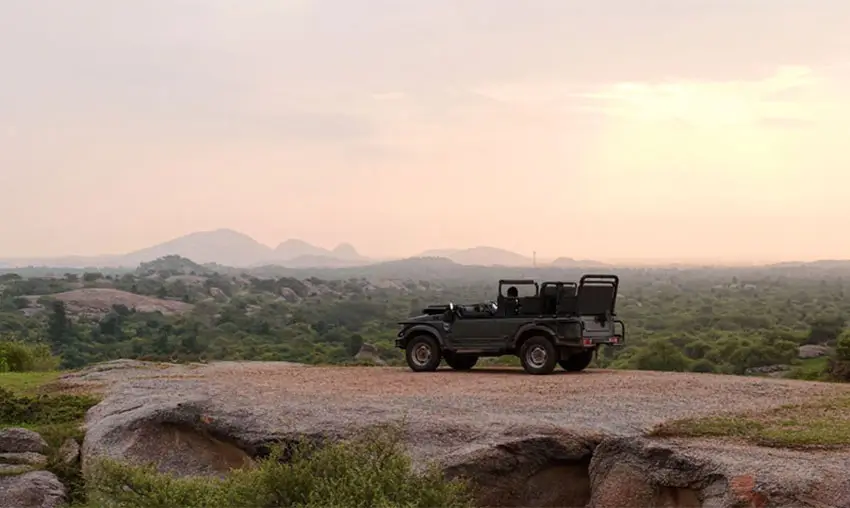
Rajasthan’s charm extends far beyond its palaces and forts. The real soul of the state thrives inside its villages — where ancient traditions, tribal communities, wildlife corridors, mud houses, handmade crafts, pastoral life and deeply rooted culture create a world untouched by modern chaos. A Rajasthan village safari opens the door to this quieter, deeper, more meaningful side of the desert state. It allows travelers to meet communities who still follow centuries-old customs, witness wildlife living freely next to humans, and explore landscapes shaped by generations of rural craftsmanship.
Some of the richest safari experiences lie across Jawai, Bishnoi, Kuldhara, Mandawa and Barli — each offering its own identity and charm. These regions reveal tribal settlements, leopard hills, abandoned villages, fresco-painted havelis, desert farms, camel herders, pottery families and artisans whose skills form the backbone of Rajasthan’s cultural identity. Exploring these offbeat regions becomes incredibly smooth with a private driver, who knows the desert routes, wildlife zones, tribal hamlets and authentic villages that regular tourists rarely access.
Village safaris in Rajasthan are not staged experiences; they offer an honest look into rural life — cooking over traditional stoves, shepherd families guiding livestock, women creating folk art on walls, elders narrating stories under banyan trees, and kids playing around open fields. For travelers seeking cultural depth, nature, heritage and authenticity, Rajasthan’s village safaris provide some of India’s most unforgettable experiences.
Unlike commercial city tours, village safaris immerse travelers in living culture. The journey includes remote settlements, tribal communities, wildlife zones, handmade craft workshops, traditional farming, rural temples and everyday village life. The atmosphere is peaceful and raw; nothing is exaggerated for tourism. You meet people as they are — humble, welcoming and deeply connected to their land.
Village safaris typically involve open jeeps, private cars or 4x4 vehicles depending on the terrain. A local driver plays a crucial role by navigating sandy tracks, rural shortcuts, narrow lanes and offbeat hamlets. They also act as cultural interpreters, explaining customs, stories, festivals and local rituals. Their understanding of tribal culture, wildlife movement and village pathways enriches every moment of the safari.
Rajasthan’s rural belts are diverse. Some villages revolve around wildlife co-existence, some around handicrafts, and others around agriculture or heritage. This variety creates a multi-dimensional travel experience where every village introduces a new layer of Rajasthan’s identity.
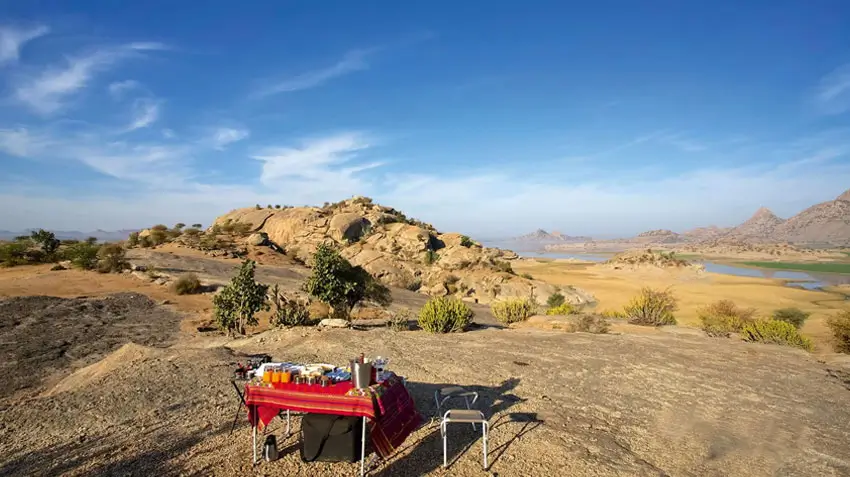
Jawai is one of India’s most extraordinary wildlife regions — not because of its leopards alone, but because of the harmonious bond between humans and wildlife. The granite hills of Jawai are home to wild leopards who roam freely, raise their cubs inside caves and move across rural farmland without fear. This rare co-existence has become one of Rajasthan’s most powerful stories of tolerance and natural balance.
A Jawai village safari takes travelers through Rabari tribal settlements, rural grazing lands, lakes filled with migratory birds, cave temples, and ancient hills where leopards appear at sunrise or sunset. The Rabari community — known for its traditional clothing, handicrafts and spiritual beliefs — respects the leopards as protectors rather than threats. Their relationship with wildlife forms the heart of Jawai’s culture.
The safari drives require skilled navigation because the landscape includes rocky paths, dirt tracks and narrow rural routes. A private driver or local safari guide understands the terrain, wildlife zones and safe vantage points for leopard sightings. Beyond leopards, Jawai is home to crocodiles, nilgai antelope, hyenas, foxes, owls and hundreds of birds. Rural evenings in Jawai feel magical — the silence of the hills blending with warm hospitality in small villages nearby.
The Rabari tribe, dressed in traditional white clothes and red turbans, forms the cultural backbone of Jawai. Their pastoral lifestyle revolves around livestock, migration patterns and deep spiritual connections with nature. Travelers visiting Rabari villages witness open courtyards, handwoven crafts, camel shelters, traditional stoves and evening gatherings where elders share stories of gods, deserts and leopards.
These intimate interactions reveal the emotional depth of rural Rajasthan — a world where simplicity, nature and tradition remain inseparable. The presence of a private driver helps bridge communication gaps, ensuring respectful interaction and cultural understanding.
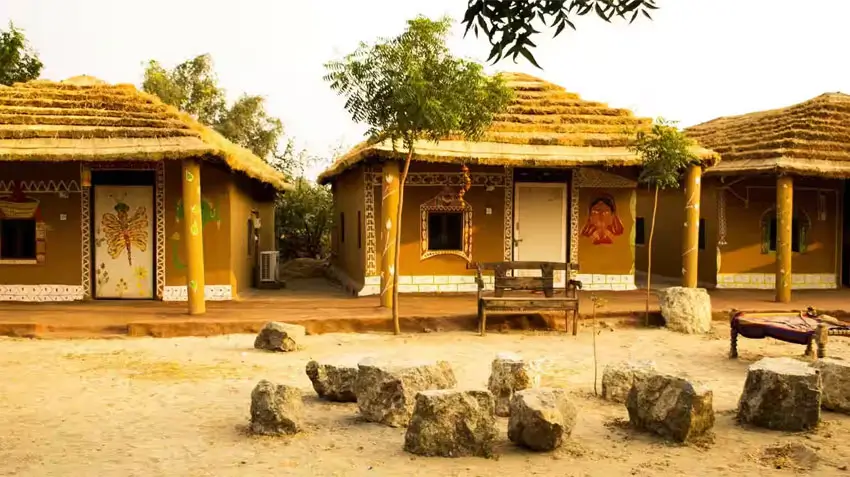
Located near Jodhpur, Bishnoi villages are among the most culturally powerful regions of Rajasthan. The Bishnoi community is globally known for its deep ecological values, wildlife protection and sustainable lifestyle. They have protected trees, antelopes, peacocks and blackbucks for centuries — long before modern conservation existed. Their commitment to nature forms the foundation of the Bishnoi safari experience.
A Bishnoi village safari takes travelers through mud houses, potter workshops, handloom weaving centers, rural farmlands, desert lakes and wildlife zones where blackbucks graze freely. The landscape feels peaceful, with golden farms stretching toward the horizon and tribal families working in harmony with nature. Encounters with artisans — such as potters shaping clay, weavers creating dhurries, and shepherds guiding animals — add richness to the journey.
A skilled driver familiar with Bishnoi villages helps navigate sandy trails, rural backroads and local hamlets that lie far beyond city limits. Each stop becomes an opportunity to observe rituals, meet craftsmen and understand how desert communities survive harsh climates while preserving their traditions.
The Bishnoi regions are home to diverse wildlife including blackbucks, chinkara gazelles, desert foxes, peacocks and numerous birds. The safari often includes visits to water bodies where animals gather at sunrise and sunset. These serene natural interactions reveal the ecological balance maintained by the Bishnoi people.
The combination of wildlife, culture and rural landscapes makes Bishnoi village safaris one of Rajasthan’s most peaceful and educational journeys.
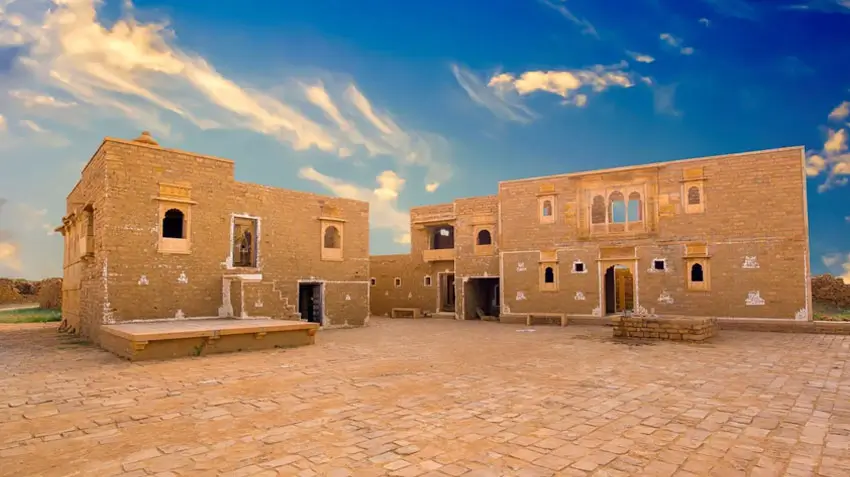
Few places in India hold the haunting beauty and mystery of Kuldhara, a desert village abandoned overnight more than 200 years ago. According to local legends, the Paliwal Brahmin community left Kuldhara due to injustice and placed a curse preventing anyone from settling there again. Today, the village stands frozen in time — rows of sandstone houses without roofs, silent lanes, temple ruins and desert winds narrating stories of a life that once flourished here.
A Kuldhara village safari offers a surreal experience. The architecture still retains its original layout, with rectangular homes, courtyards, streets and community structures. The silence of the desert amplifies the village’s mysterious aura, making it a powerful destination for culture and history lovers.
Reaching Kuldhara requires navigating desert roads, sandy patches and isolated routes — making a private driver essential. Their knowledge of the landscape ensures safe travel through the remote terrain surrounding Jaisalmer.
Kuldhara’s surrounding region is equally captivating. Travelers witness open desert plains, occasional camel caravans, scattered farmhouses, dunes and shepherd communities living in harmony with the environment. The desert sky during sunset transforms the entire landscape into shades of gold, orange and crimson.
This combination of mystery, heritage and desert beauty makes Kuldhara one of the most unusual stops on a Rajasthan village safari.
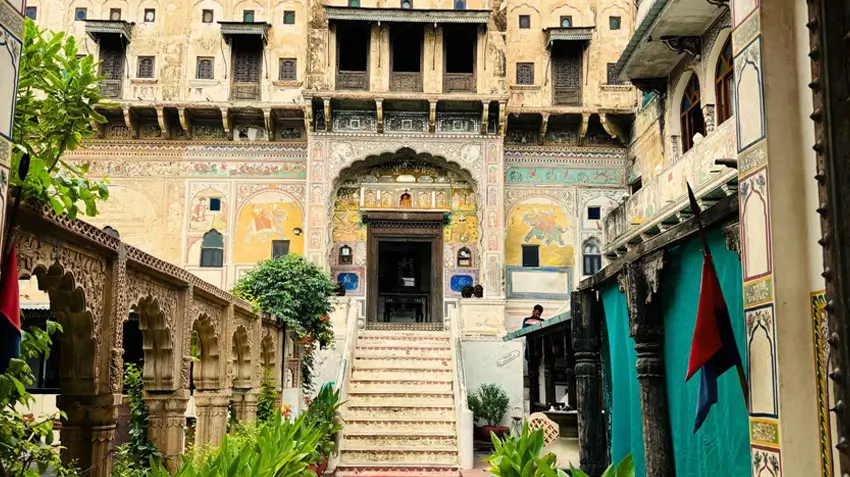
Mandawa lies in the heart of the Shekhawati region, often referred to as the “largest open-air art gallery in India.” Known for its intricately painted havelis, frescoes and merchant mansions, Mandawa offers a village safari where heritage, art and rural life blend seamlessly. The lanes are lined with old houses featuring mythological scenes, royal events, floral motifs and depictions of daily life painted in natural pigments.
A Mandawa village safari includes visits to lesser-known havelis, local craft centers, traditional Marwari homes, camel carts, and rural farms. Travelers witness artisans restoring murals, families preserving heirloom stories, and villagers practicing traditional trades like metalwork and wood carving.
Navigating Mandawa’s narrow lanes and remote hamlets becomes effortless with a private driver who knows the heritage clusters and authentic homes that showcase Shekhawati’s true artistic identity.
Beyond the painted mansions lie large agricultural fields, quiet villages, old wells and pastoral communities. A safari into these areas reveals farmers at work, traditional irrigation systems, shepherds guiding animals and women preparing spices inside courtyards.
This combination of art and rural simplicity makes Mandawa an exceptional chapter in Rajasthan’s village safari journey.
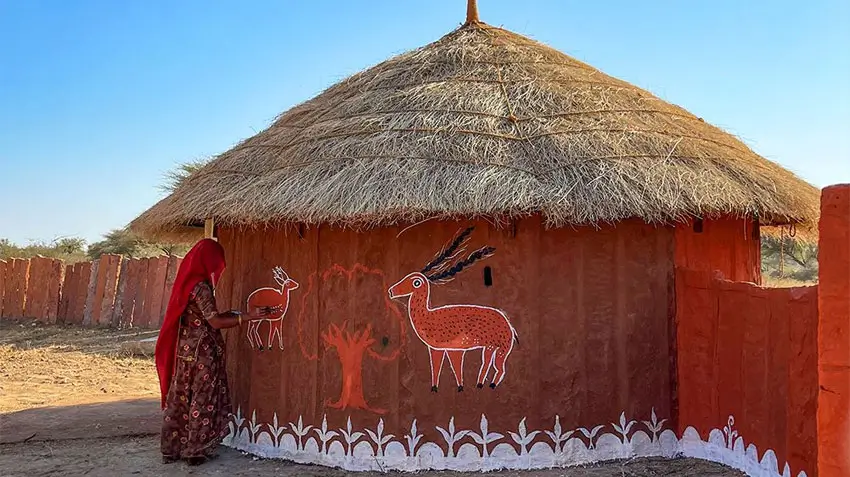
Barli is a serene heritage village located between Jaipur and Ajmer. Known for its Rajput-era stepwells, old temples, small havelis and slow-paced rural life, Barli offers travelers quiet landscapes and deep cultural connection. The village has preserved its traditional architecture and ancient customs, giving visitors an authentic look into Rajasthan’s noble rural past.
A Barli village safari includes exploring historic stepwells, meeting local families, visiting temple courtyards, observing farming traditions and enjoying folk hospitality. The surrounding region features scenic fields, small shrines, old cenotaphs and village homes decorated with mud art and colorful entrances.
Reaching some parts of Barli requires navigating narrow rural roads, which is where a private driver’s expertise becomes essential. They guide travelers into the heart of Barli’s heritage landscape while ensuring smooth travel across villages.
Each village — Jawai, Bishnoi, Kuldhara, Mandawa and Barli — offers a distinct cultural identity shaped by history, nature and tradition. Jawai highlights coexistence between humans and wildlife. Bishnoi villages showcase eco-friendly living. Kuldhara narrates desert mysteries. Mandawa displays artistic heritage. Barli preserves noble rural roots.
Village safaris allow travelers to see Rajasthan not as a tourist attraction, but as a living culture where every house, field, shrine and craft carries meaning. These experiences bring travelers closer to local communities, tribal lifestyles, folk art, desert ecology and traditional values that define Rajasthan at its purest.
Rajasthan’s village safaris offer an extraordinary mix of wildlife sightings, tribal communities, handmade crafts, ancient architecture, painted mansions, abandoned settlements and pastoral life. Travelers experience leopards in Jawai, blackbucks in Bishnoi, haunted streets in Kuldhara, Shekhawati frescoes in Mandawa and noble rural hospitality in Barli.
This diversity makes village safaris one of the richest cultural experiences in India. With a private driver handling routes, navigation and local coordination, travelers can enjoy each moment without stress.
Yes, they are very safe when done with an experienced driver or local guide.
Jawai offers the best sightings of wild leopards and diverse birdlife.
Yes, most do, but it’s polite to ask before taking portraits.
It is abandoned and mysterious, but safe to visit during the day.
Mandawa and its Shekhawati belt are ideal for art and craft lovers.
Yes, experienced drivers know rural routes, wildlife spots and cultural villages.
Early mornings and evenings are comfortable even in summer.
Yes, most regions are accessible with minimal walking.
Two villages comfortably, depending on distance.
Yes, completely — wildlife, culture, crafts or photography focused.