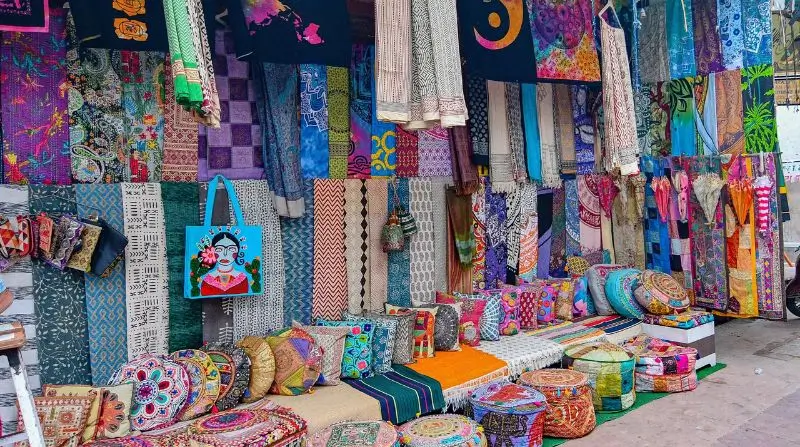
Shopping in Rajasthan is far more than buying souvenirs. Every city has its own craft traditions, many of which have been passed down through generations of artisans. Colourful textiles, hand-block printed fabrics, leather goods, blue pottery, silver jewellery, marble carvings and miniature paintings all reflect the state's rich artistic heritage. For international travellers, shopping often becomes one of the most memorable parts of the journey because every purchase carries a story of local craftsmanship.
Unlike shopping malls where products are mass-produced, Rajasthan's markets are filled with workshops and family-run businesses where many items are still handmade. Visitors often have the opportunity to meet artisans, watch traditional techniques being demonstrated and understand the amount of skill involved in creating each piece.
Because the variety is enormous, many first-time visitors feel overwhelmed when they enter Rajasthan's busy bazaars. Knowing what each city is famous for and understanding how shopping works helps travellers make better purchases while avoiding common tourist mistakes.
Guests travelling with Royal Rajasthan Travels often appreciate having a knowledgeable local driver who can recommend trusted shopping areas rather than tourist traps. Mr. Vikas Khabrani and his team regularly help international visitors include authentic shopping experiences within their customised Rajasthan itineraries, allowing guests to explore local markets at a relaxed pace without unnecessary pressure.
For centuries, Rajasthan was an important trading region connecting northern India with Central Asia and the western coast. Royal families encouraged skilled craftsmen to settle in different cities, leading to the development of specialised crafts that continue today.
Even now, many workshops remain family businesses where techniques are handed down from parents to children. Whether it is block printing in Jaipur, leather craftsmanship in Jodhpur or embroidery in Barmer, much of Rajasthan's traditional art survives because local communities continue producing handmade goods rather than factory-made alternatives.
Shopping therefore becomes an opportunity to support local artisans while taking home products that cannot easily be found elsewhere.
Go beyond ordinary souvenirs and discover the craftsmanship that gives Rajasthan its character. From Jaipur’s hand-block textiles and blue pottery to Udaipur’s miniature art and Jaisalmer’s desert crafts.
Chat On WhatsApp Contact Us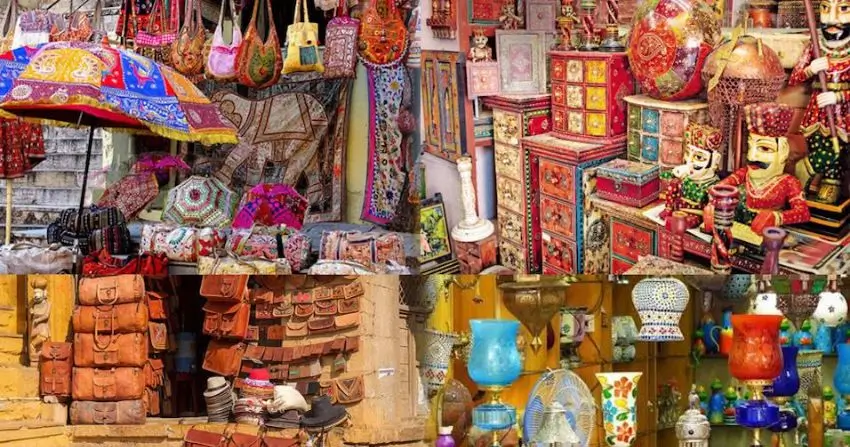
Jaipur is considered the best shopping destination in Rajasthan because it offers the widest variety of traditional products under one city.
The city is internationally known for hand-block printed textiles, blue pottery, gemstones, silver jewellery, lac bangles, handmade quilts, marble handicrafts and beautifully embroidered fabrics. Visitors can spend entire days exploring its colourful markets without seeing the same products twice.
The historic bazaars surrounding the Pink City remain some of the most popular shopping areas for both local residents and international tourists. Walking through these streets provides an opportunity to experience Jaipur's vibrant trading culture while browsing hundreds of family-owned shops.
Many visitors purchase cotton clothing, scarves, cushion covers, table linen and bedspreads because they combine traditional Rajasthani designs with practical everyday use.
Few crafts represent Rajasthan better than hand-block printing.
Artisans carve intricate patterns into wooden blocks before carefully stamping each design onto cotton or linen using natural or vegetable-based dyes. Since every print is created by hand, slight variations make each piece unique.
International visitors often buy block-printed shirts, dresses, table runners, bed covers, napkins and lightweight scarves because they are easy to pack and suitable for everyday use back home.
Buying directly from reputable workshops also allows travellers to see the printing process, making the purchase much more meaningful.
Jaipur's blue pottery is instantly recognisable because of its distinctive floral patterns and vibrant blue colours.
Unlike traditional clay pottery, this craft uses a unique quartz-based mixture that creates a smooth finish and delicate appearance. Decorative plates, bowls, coasters, tiles and small home décor items are especially popular among overseas visitors.
Many workshops carefully package fragile pieces for international travel, making it easier to carry them safely during the rest of the trip.
Jaipur has earned an international reputation as one of India's leading gemstone cutting and jewellery centres.
Visitors will find everything from handcrafted silver jewellery to precious gemstones and traditional Kundan designs. While shopping for jewellery can be exciting, purchasing from established and reputable stores is always recommended, especially when buying higher-value items.
Reliable jewellers willingly provide proper invoices and certification where applicable, giving international buyers greater confidence in their purchase.
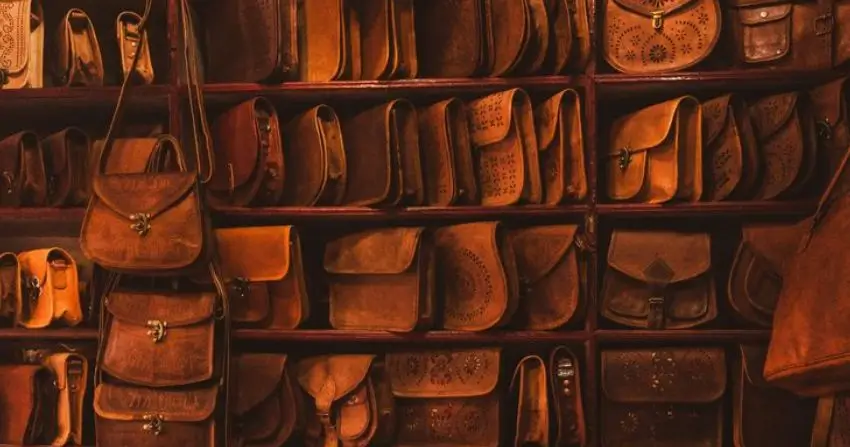
Jodhpur is known for beautifully crafted leather products, antique-style furniture and handcrafted wooden décor.
Leather bags, belts, wallets, journals and footwear are popular choices because they combine traditional craftsmanship with practical everyday use. Many workshops also produce handmade furniture using reclaimed wood, although international travellers usually purchase smaller decorative items that are easier to transport.
The city's craftsmanship reflects its long history as a trading centre and remains one of the highlights for visitors interested in authentic handmade products.
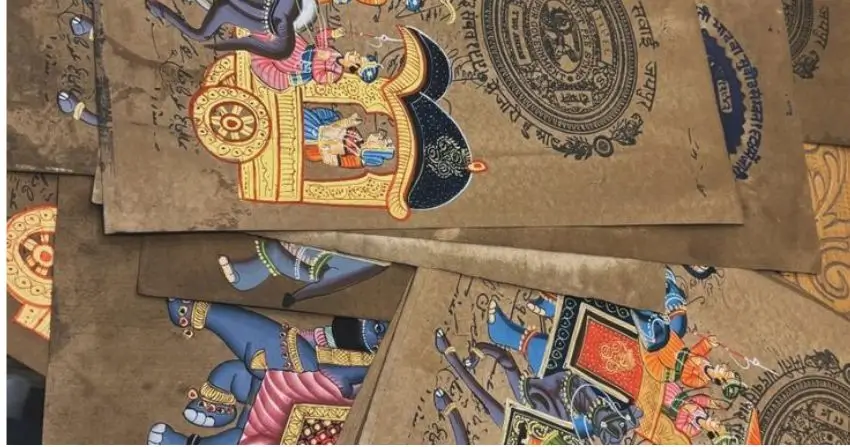
Shopping in Udaipur feels very different from the busy markets of Jaipur. The city's lakeside streets are home to boutique stores, art galleries and small family-owned shops where visitors can browse at a relaxed pace.
Udaipur is particularly well known for miniature paintings, an art form that dates back to the royal courts of Rajasthan. Skilled artists use extremely fine brushes to create detailed scenes featuring palaces, elephants, horses, royal processions and stories from Indian mythology. Watching an artist complete even a small section of a painting gives visitors a new appreciation for the patience and precision involved.
The city is also an excellent place to buy handcrafted home décor, embroidered textiles, handmade journals, silver jewellery and decorative items that reflect Rajasthan's royal heritage.
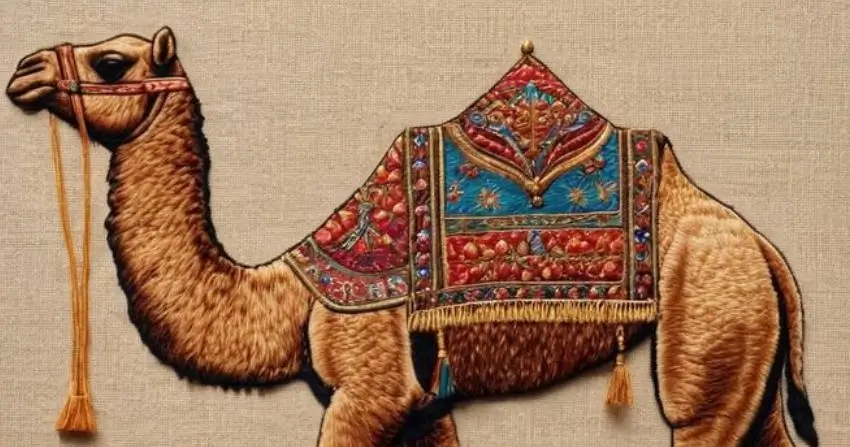
The golden city of Jaisalmer offers shopping experiences inspired by desert life.
Local markets are filled with beautifully embroidered wall hangings, mirror-work textiles, colourful cushion covers and handcrafted camel leather products. Traditional embroidery from nearby desert villages features bold colours and intricate stitching that cannot be replicated by machines.
Camel leather bags, notebooks and decorative accessories are among the most popular purchases because they combine traditional craftsmanship with practical everyday use.
Many travellers also purchase lightweight scarves and handmade quilts featuring traditional desert patterns, making memorable souvenirs without taking up much luggage space.
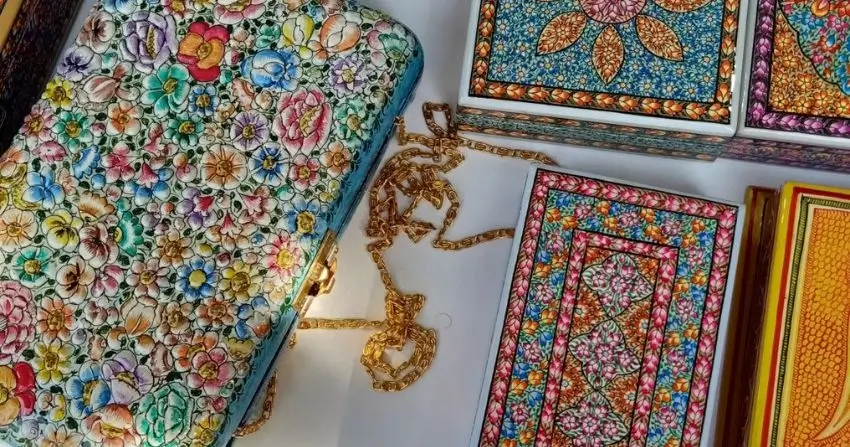
Although many visitors focus on Jaipur and Udaipur, Bikaner and Barmer offer some of Rajasthan's most authentic handicrafts.
Barmer is famous for its richly embroidered textiles, appliqué work and hand-printed fabrics produced by local artisan communities. These colourful creations often feature designs that have remained unchanged for generations.
Bikaner is known for wool products, traditional handicrafts and decorative wooden items created by skilled local craftsmen. Shopping in these cities often feels more personal because visitors interact directly with artisans instead of large commercial stores.
Step into Rajasthan’s vibrant artisan world, where generations of skill live on through textiles, jewellery, pottery, leather and traditional artwork.
Chat On WhatsApp Contact UsBargaining is a normal part of shopping in many traditional markets across Rajasthan. Unlike fixed-price stores, local bazaars often expect friendly negotiation, particularly when purchasing handicrafts or textiles.
The process should always remain polite and respectful. Most shopkeepers appreciate visitors who negotiate with a smile rather than treating bargaining like a competition.
If the final price feels reasonable and reflects the effort involved in producing handmade goods, paying a little extra helps support local artisans whose skills have been preserved over generations.
In government emporiums, established boutiques and branded stores, prices are generally fixed.
First-time visitors sometimes assume that every market offers the same quality, but this is rarely the case.
Rather than purchasing from the first shop you enter, spend some time comparing products, workmanship and prices across several stores. Genuine handmade products often show small variations that demonstrate they were crafted by hand rather than produced in factories.
Be cautious if a seller creates unnecessary pressure by claiming that an item is available "only today" or insists on immediate payment. Reputable businesses are usually happy to explain how products are made and allow customers enough time to make a decision.
When buying expensive jewellery, carpets or artwork, always request a proper invoice and any available authenticity certificates.
Many travellers worry about carrying fragile or bulky purchases throughout their holiday. Fortunately, numerous established shops in Rajasthan offer international shipping services.
Carpets, marble handicrafts, furniture and larger artworks can often be professionally packed and shipped directly to your home country. Before completing the purchase, ask about insurance, delivery times and tracking options so you clearly understand the shipping process.
For smaller purchases such as textiles, scarves and clothing, carrying them in your luggage is usually the simplest option.
One advantage of travelling with a private Rajasthan tour is access to reliable shopping recommendations.
Instead of wasting time searching through countless markets, visitors can be introduced to reputable workshops where artisans produce genuine handmade goods. This allows travellers to learn about traditional craftsmanship while shopping with greater confidence.
Guests travelling with Royal Rajasthan Travels often enjoy visiting artisan workshops alongside the state's famous forts and palaces. Mr. Vikas Khabrani and his team help international visitors discover authentic shopping experiences where quality, fair pricing and local craftsmanship take priority over high-pressure tourist sales.
Rajasthan is renowned for hand-block printed textiles, blue pottery, silver jewellery, gemstones, miniature paintings, leather goods, carpets and traditional handicrafts.
Jaipur offers the widest variety of handicrafts, textiles and jewellery, making it the state's most popular shopping destination.
Yes. Bargaining is common in traditional markets, although prices are generally fixed in government stores and established boutiques.
Popular purchases include block-printed fabrics, blue pottery, lac bangles, gemstones, silver jewellery, quilts and marble handicrafts.
Udaipur is one of the best places to purchase genuine hand-painted miniature artwork created by local artists.
Yes. Many reputable stores arrange international shipping for carpets, marble items, furniture and larger handicrafts.
Handmade products usually show small natural variations, detailed craftsmanship and are often accompanied by demonstrations or explanations from the artisan.
Yes, provided you purchase from well-established jewellers that issue proper invoices and authenticity certificates where appropriate.
Many larger shops accept international credit cards, while smaller market stalls may prefer cash or digital payment methods.
Yes. Royal Rajasthan Travels offers customised itineraries that combine Rajasthan's historic attractions with authentic shopping experiences, introducing international visitors to trusted artisan workshops and reputable local stores.