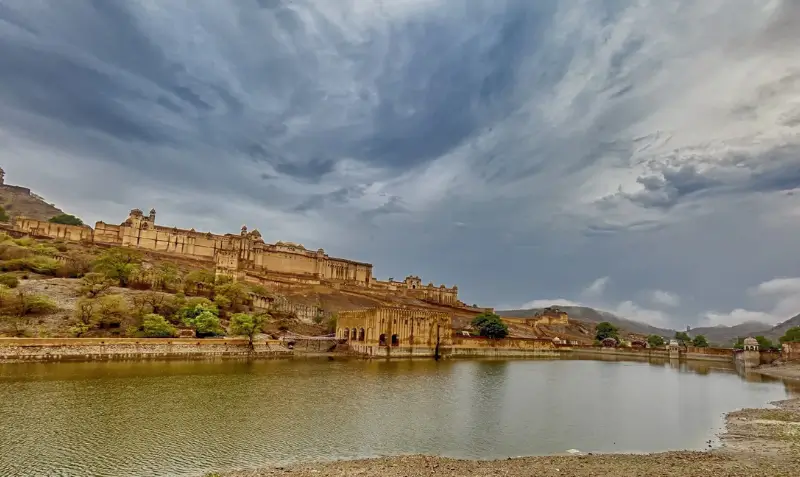
When people think about Rajasthan, they often imagine endless golden deserts, bright sunshine, magnificent forts, royal palaces, and warm weather throughout the year. While these images accurately represent much of the state's identity, Rajasthan experiences a completely different charm during the monsoon season. Rainfall transforms dry landscapes into greener surroundings, lakes begin to fill, gardens bloom, and historic monuments appear even more beautiful beneath dramatic cloudy skies.
Many international travelers automatically avoid planning a Rajasthan holiday during the rainy season because they assume constant rainfall will affect sightseeing. In reality, Rajasthan receives significantly less rainfall than many other parts of India, making it one of the country's most enjoyable destinations even during the monsoon months. Most showers are short and refreshing rather than continuous, allowing visitors to continue exploring with only minor adjustments to their itinerary.
Another advantage of traveling during this period is the peaceful atmosphere. Since monsoon falls outside the peak tourist season, famous attractions such as Jaipur, Udaipur, Jodhpur, and Pushkar are noticeably less crowded. Visitors have more space to admire architectural masterpieces, capture beautiful photographs, and enjoy a relaxed travel experience without standing in long queues.
Accommodation prices also become more attractive during this period. Many luxury hotels, heritage palaces, boutique properties, and resorts introduce seasonal offers, allowing travelers to enjoy premium hospitality at considerably better value than during the busy winter months.
Nature lovers particularly appreciate the transformation that rain brings to Rajasthan. Hills surrounding Udaipur, Mount Abu, and parts of southern Rajasthan become lush and green, creating scenery rarely associated with the state's desert image. Lakes become fuller, waterfalls begin flowing in certain regions, and wildlife sanctuaries gain renewed life after the first seasonal showers.
For travelers seeking authentic cultural experiences, quieter sightseeing, beautiful photography opportunities, and comfortable travel budgets, the monsoon season offers an entirely different perspective of Rajasthan. Understanding the weather, choosing the right destinations, and planning activities accordingly can turn a rainy-season holiday into one of the most memorable journeys through India's royal state.
Watch Rajasthan transform under dramatic monsoon skies—greener landscapes, fuller lakes, fresh air, peaceful heritage sites, and a quieter atmosphere that reveals a completely different side of the Land of Kings.
Chat On WhatsApp Contact UsThe monsoon season in Rajasthan generally extends across July, August, and September, although rainfall patterns vary considerably between different regions of the state. Unlike coastal destinations that experience prolonged heavy rain, Rajasthan usually receives moderate showers interspersed with long periods of pleasant weather. This balance allows visitors to continue exploring without significant disruption.
Eastern and southern regions, including Udaipur, Mount Abu, Bundi, and Kota, receive comparatively higher rainfall than western desert destinations. As a result, these areas become exceptionally scenic, with green hills, overflowing lakes, flourishing gardens, and cleaner air adding to the travel experience.
The western desert cities such as Jaisalmer, Bikaner, and parts of Jodhpur receive relatively limited rainfall. Visitors can therefore continue enjoying desert landscapes while benefiting from lower temperatures compared to the intense summer months. The combination of occasional clouds and sunshine creates excellent conditions for sightseeing and landscape photography.
Humidity does increase during the rainy season, but temperatures remain considerably more comfortable than during late spring. Morning walks through palace gardens, visits to ancient forts, and shopping in traditional markets become much more enjoyable when compared with Rajasthan's hottest months.
Rain showers are often short-lived rather than lasting all day. Travelers may experience bright sunshine in the morning, light afternoon rain, and pleasant evening weather suitable for outdoor dining or cultural performances. Carrying a lightweight umbrella or waterproof jacket is generally sufficient for most sightseeing days.
Road conditions between major tourist destinations remain good throughout most of the season, although occasional heavy rainfall may temporarily slow travel in certain rural areas. Visitors planning a multi-city itinerary should maintain a flexible schedule and allow additional travel time if rain is forecast.
One of the biggest advantages of monsoon weather is the dramatic improvement in air quality. Rain removes dust from the atmosphere, making long-distance views from hilltop forts and palace terraces exceptionally clear. Photographers frequently consider the combination of dark clouds, green surroundings, and historic architecture ideal for capturing Rajasthan's royal beauty from a completely different perspective.
Although nearly every destination in Rajasthan offers something unique during the monsoon, certain cities become particularly attractive because rainfall enhances their natural beauty and architectural surroundings.
Udaipur is widely regarded as one of the finest places to visit during the rainy season. The lakes become fuller, surrounding hills turn lush green, and the reflections of palaces on Lake Pichola create breathtaking scenery. Boat rides become especially enjoyable, while locations such as City Palace, Sajjangarh Palace, Saheliyon Ki Bari, and Fateh Sagar Lake appear even more picturesque beneath cloudy skies.
Jaipur also remains an excellent destination during monsoon. Famous landmarks including Amber Fort, Hawa Mahal, City Palace, Nahargarh Fort, and Jaigarh Fort can comfortably be explored between occasional showers. Rain adds freshness to the city's gardens and historic buildings while reducing the intense heat normally associated with Rajasthan.
Mount Abu, Rajasthan's only hill station, becomes one of the state's greenest destinations during this season. Mist-covered hills, flowing waterfalls, cool temperatures, and beautiful viewpoints create an atmosphere completely different from the desert landscapes found elsewhere in Rajasthan. Visitors often combine boating on Nakki Lake with nature walks and visits to the famous Dilwara Temples.
Historic towns such as Bundi and Chittorgarh also become increasingly attractive during the rainy months. Ancient forts overlooking green valleys provide outstanding photography opportunities, while fewer tourists allow visitors to enjoy these remarkable heritage sites at a relaxed pace.
Even Jodhpur benefits from occasional rainfall, which refreshes the city's famous blue houses and enhances panoramic views from Mehrangarh Fort. The combination of dramatic clouds and historic sandstone architecture creates unforgettable visual contrasts rarely experienced during the dry season.
Travelers interested in wildlife may also consider Ranthambore National Park, where changing landscapes and improved vegetation create unique safari experiences. Although sightings vary according to weather conditions, the park offers beautiful scenery during the monsoon transition.
Choosing a combination of heritage cities, natural landscapes, and cultural attractions allows visitors to experience Rajasthan's remarkable diversity while enjoying the quieter atmosphere that defines the rainy season.
Let Udaipur’s lakes, green hills, palace reflections, and misty monsoon atmosphere set the scene for an elegant escape away from the crowds.
Chat On WhatsApp Contact UsOne of the biggest reasons experienced travelers choose Rajasthan during the monsoon season is the opportunity to enjoy its famous attractions without the large crowds that are common during winter. Popular landmarks such as Amber Fort, City Palace Udaipur, Mehrangarh Fort, Hawa Mahal, and Lake Pichola become much more peaceful, allowing visitors to explore at a comfortable pace and spend more time appreciating the architecture and history.
Another major advantage is affordability. Since the rainy season falls outside the peak tourist months, many luxury hotels, heritage palaces, boutique resorts, and premium accommodations introduce attractive seasonal offers. Travelers can often enjoy properties that might otherwise exceed their budget during the busy winter season. This makes the monsoon an excellent time for couples, families, and luxury travelers seeking exceptional value.
Photography enthusiasts also benefit from the changing landscapes. Rain washes away dust, improves visibility, and creates dramatic skies filled with moving clouds. Historic forts appear even more majestic against dark backgrounds, while lakes, gardens, and countryside become greener than many visitors expect from Rajasthan. The combination of royal architecture and refreshed landscapes creates outstanding opportunities for landscape, wildlife, and architectural photography.
Food lovers will also enjoy traveling during this period. Cooler temperatures make it pleasant to sample traditional Rajasthani cuisine in heritage restaurants, rooftop cafés, and local eateries. Warm regional dishes paired with beautiful rainy-season views provide an entirely different dining experience compared with the hotter months.
Despite these advantages, travelers should remain realistic. Short periods of rainfall may occasionally interrupt outdoor activities, particularly if sightseeing involves open viewpoints or rural roads. However, most showers pass relatively quickly, allowing travel plans to continue with only minor adjustments. Carrying waterproof protection for electronic devices and allowing flexibility in the daily schedule is generally sufficient.
Overall, visitors who value peaceful sightseeing, attractive accommodation prices, comfortable weather, and unique photography opportunities often find the monsoon season surprisingly rewarding.
Packing wisely makes traveling through Rajasthan during the rainy season much more comfortable. Lightweight, breathable clothing remains suitable because daytime temperatures can still be warm, while a lightweight waterproof jacket or compact umbrella provides protection during occasional showers. Comfortable waterproof footwear is recommended for exploring palace courtyards, gardens, lakeside promenades, and historic streets after rainfall.
A small backpack containing rain protection for cameras, mobile phones, travel documents, and other electronics is highly advisable. Sunscreen, sunglasses, insect repellent, and a reusable water bottle should also remain part of every traveler's packing list, as sunny weather frequently returns soon after rain.
Transportation between major tourist destinations generally remains reliable throughout the season. Highways connecting Jaipur, Udaipur, Jodhpur, Pushkar, and Mount Abu are well maintained, although travelers should allow additional time if heavy showers temporarily affect driving conditions. Many international visitors prefer hiring a private vehicle with an experienced driver, providing flexibility to adjust sightseeing plans according to local weather while enjoying a more relaxed journey.
A well-balanced itinerary during the monsoon could begin in Jaipur, where travelers spend several days exploring forts, museums, royal palaces, traditional markets, and cultural performances. The journey can then continue to Pushkar, known for its sacred lake and peaceful atmosphere, before moving toward Udaipur, where filled lakes and surrounding hills create some of Rajasthan's most beautiful rainy-season scenery.
Nature lovers may extend their holiday to Mount Abu, enjoying cool temperatures, scenic viewpoints, boating, and temple visits. Those interested in history can include Chittorgarh or Bundi, while travelers wishing to experience Rajasthan's desert heritage may finish their journey in Jodhpur or Jaisalmer, where occasional rainfall adds a refreshing contrast to the golden landscape.
Advance hotel reservations are still recommended, especially during weekends and public holidays, although availability is generally better than during peak winter months. Flexible sightseeing schedules, reliable transportation, and appropriate clothing allow travelers to fully appreciate Rajasthan's distinctive beauty during one of its most underrated travel seasons.
Rather than viewing rainfall as an obstacle, many visitors discover that the monsoon reveals a quieter, greener, and more authentic side of Rajasthan that differs significantly from the images commonly associated with the state. For travelers seeking unique experiences beyond the traditional tourist season, the monsoon offers exceptional opportunities to explore royal heritage, natural beauty, and local culture in a more relaxed environment.
Yes. The monsoon season offers pleasant weather, greener landscapes, fewer tourists, and attractive hotel prices, making it an excellent choice for many travelers.
No. Rainfall is generally intermittent, with many destinations experiencing short showers followed by long periods of pleasant weather.
Udaipur is widely regarded as one of the most scenic destinations during monsoon because its lakes, gardens, and surrounding hills become exceptionally beautiful after rainfall.
Yes. Jaisalmer and surrounding desert regions receive comparatively less rainfall, allowing visitors to continue enjoying desert experiences while benefiting from cooler temperatures.
Many hotels, heritage properties, and luxury resorts offer seasonal discounts during the rainy season compared with peak winter months.
Pack lightweight clothing, a waterproof jacket, comfortable walking shoes, a compact umbrella, sunscreen, and waterproof protection for electronic devices.
Yes. Major highways are generally in good condition, although travelers should allow extra travel time during periods of heavier rainfall.
Certain wildlife experiences remain available depending on local park regulations and weather conditions. Travelers should verify safari schedules before planning their visit.
No. These months usually experience fewer tourists than the winter season, allowing visitors to enjoy a more peaceful sightseeing experience.
A journey of seven to ten days provides sufficient time to experience major cities such as Jaipur, Udaipur, Pushkar, Mount Abu, and Jodhpur, while also allowing flexibility for weather-related adjustments.