India is a country where landscapes change dramatically within a few hundred kilometers. Travelers often imagine India as a single destination, yet the reality is a mosaic of cultures, climates, and environments. Few comparisons illustrate this contrast better than the difference between the Rajasthan desert and the Kerala backwaters.
Both regions attract international travelers looking for authentic experiences, but the atmosphere, scenery, and lifestyle they offer could not be more different. Rajasthan introduces visitors to royal history, ancient forts, camel caravans, and vast desert landscapes. Kerala presents a completely different picture filled with tropical greenery, palm-fringed waterways, traditional houseboats, and tranquil village life along canals.
Understanding the differences between these two destinations helps travelers design a journey that reflects their personal interests. Some visitors prefer the cultural depth and dramatic landscapes of Rajasthan, while others are drawn to the slow rhythm and lush environment of Kerala. Many travelers ultimately choose to combine both destinations to experience two distinct sides of India.
The most striking difference between these regions is the landscape. Rajasthan lies in the northwest of India, dominated by the sweeping dunes and rugged plains of the Thar Desert. The terrain is characterized by sandy expanses, dry riverbeds, thorn forests, and dramatic rocky outcrops. Sunsets across the desert create a golden glow that defines the region’s visual identity.
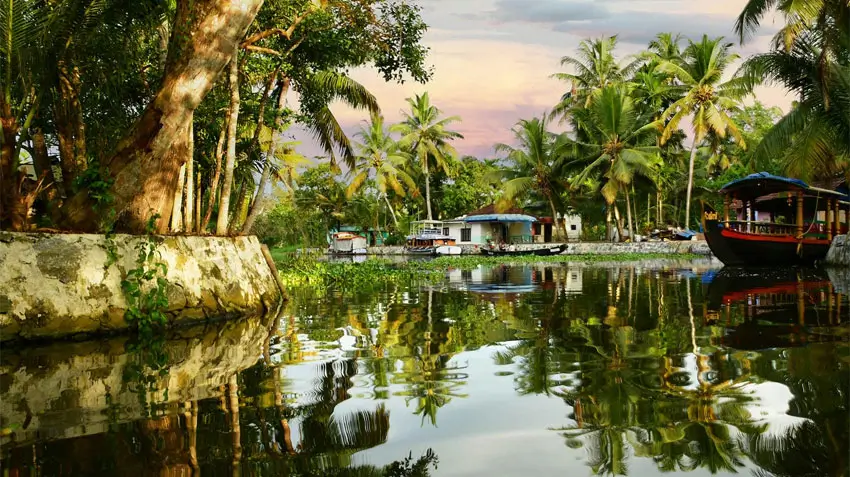
Kerala sits on India’s southwestern coast and presents an entirely different environment. The Kerala backwaters consist of an intricate network of lakes, rivers, canals, and lagoons stretching parallel to the Arabian Sea. Coconut palms line the waterways while rice paddies, tropical vegetation, and small villages create a serene landscape.
Travelers moving between these regions often feel as if they have entered a completely different country. Rajasthan’s desert scenery emphasizes vast open horizons, while Kerala surrounds visitors with lush greenery and flowing water.
Explore the golden dunes, forts, and culture of Rajasthan or relax in Kerala’s lush waterways and houseboats—why not experience both?
Chat On WhatsApp Contact UsThe cultural experiences in both regions also differ significantly. Rajasthan is deeply associated with royal heritage. Cities such as Jaipur, Jodhpur, Udaipur, and Jaisalmer are known for magnificent palaces, ancient forts, and centuries-old traditions. Travelers encounter colorful turbans, traditional music, vibrant textiles, and grand architectural monuments that reflect the legacy of Rajput rulers.
Kerala’s culture is rooted in maritime trade, spiritual traditions, and village life shaped by water. Temple rituals, classical dance forms like Kathakali, and Ayurveda wellness practices define the region’s cultural identity. The pace of life is slower, and many daily activities revolve around the waterways.
While Rajasthan offers a sense of regal grandeur, Kerala feels more intimate and peaceful. Both experiences reveal different dimensions of India’s cultural richness.
Travelers exploring the Rajasthan desert encounter a wide range of experiences shaped by the region’s dramatic landscapes and royal history. Camel rides across sand dunes near Jaisalmer allow visitors to witness the desert at sunset. Forts such as Mehrangarh in Jodhpur and Amber Fort in Jaipur showcase extraordinary architecture and panoramic views. Wildlife enthusiasts often visit Ranthambore National Park or the Jawai region in search of leopards.
Kerala’s backwaters offer an entirely different type of experience. Traditional houseboat cruises glide slowly through the canals, allowing travelers to observe daily life along the water. Fishermen cast nets, children travel to school by boat, and farmers tend rice fields along the banks. Travelers also explore spice plantations, tea gardens, and coastal villages.
Both regions provide memorable activities, but the style of travel differs greatly. Rajasthan emphasizes exploration of historic cities and desert landscapes, while Kerala focuses on relaxation and immersion in nature.
Climate plays an important role in shaping travel plans. Rajasthan experiences a dry desert climate with very hot summers and cooler winter months. From October through early spring the weather becomes comfortable for sightseeing and desert excursions.
Kerala has a tropical climate influenced by monsoon rains. The backwaters remain green and vibrant throughout the year, although rainfall patterns change the character of the landscape. The monsoon season transforms the region into a lush paradise, attracting travelers interested in wellness retreats and Ayurveda treatments.
Because of these climate differences, some travelers choose to visit Rajasthan during the cooler months and Kerala during the monsoon or winter season.
Wildlife experiences also vary between the two regions. Rajasthan is home to remarkable desert and grassland ecosystems. Travelers can encounter animals such as leopards, chinkara antelope, desert foxes, and numerous bird species in areas like Desert National Park and Tal Chhapar Sanctuary.
Kerala’s ecosystems support tropical wildlife including elephants, monkeys, exotic birds, and reptiles. National parks such as Periyar and Silent Valley protect dense forests and rich biodiversity.
The contrast between arid desert wildlife and lush tropical habitats highlights India’s extraordinary ecological diversity.
Cuisine provides another fascinating contrast. Rajasthan’s traditional dishes evolved in a desert environment where water and fresh ingredients were limited. Many recipes rely on dried spices, lentils, and preserved foods that can withstand extreme temperatures. Meals often include flavorful dishes such as dal baati churma, gatte ki sabzi, and spicy curries served with traditional breads.
Kerala’s cuisine reflects its coastal location and abundance of fresh produce. Coconut, seafood, rice, and aromatic spices play a central role. Meals are often served on banana leaves and include dishes flavored with coconut milk and curry leaves.
For travelers interested in culinary experiences, exploring both regions offers an incredible journey through two distinct food cultures.
Both destinations offer unique experiences—dramatic desert landscapes or peaceful water journeys. Choose your style or combine both for the ultimate India trip.
Chat On WhatsApp Contact UsAccommodation styles also differ greatly between Rajasthan and Kerala. Rajasthan is famous for its heritage hotels, many of which were once royal palaces or historic havelis. Staying in these properties allows travelers to experience regal architecture and traditional hospitality.
Kerala’s most iconic accommodation is the houseboat, a floating hotel that drifts slowly through the backwaters. Travelers sleep in comfortable cabins while enjoying views of village life along the canals.
Both styles create unforgettable memories, yet they represent completely different approaches to travel.
Many travelers choose not to compare these regions but to combine them. A journey that begins with the palaces and deserts of Rajasthan can transition to the tranquil waterways of Kerala. This combination reveals the extraordinary variety of landscapes, cultures, and traditions found within India.
Private travel planning allows visitors to design an itinerary that includes both destinations without rushing. Experiencing the desert at sunset followed by a peaceful cruise through the backwaters provides a deeper appreciation for India’s diversity.
Travelers interested in designing such journeys can benefit from expert guidance when selecting destinations, transportation, and accommodations.
Royal Rajasthan Travels helps visitors plan personalized travel experiences across India that combine heritage cities, desert landscapes, and unique cultural destinations.
Vikas Khabrani
+91-9414046260
info.royalrajasthan@gmail.com
Yes, combining these regions requires careful itinerary planning due to distance and travel logistics.
Both destinations are visually stunning, but Rajasthan offers dramatic desert landscapes while Kerala provides lush tropical scenery.
Yes, the peaceful atmosphere of the backwaters makes Kerala ideal for relaxation and wellness travel.
Rajasthan is known for luxury heritage palace hotels and historic havelis converted into boutique accommodations.
Rajasthan offers desert wildlife and leopard safaris, while Kerala features tropical wildlife including elephants and exotic birds.
Rajasthan generally has a dry desert climate with hotter summers, while Kerala has a humid tropical climate.
Yes, traditional Kerala houseboats are iconic accommodations that allow travelers to cruise through the backwaters.
Yes, many itineraries combine Rajasthan’s heritage cities with Kerala’s backwaters to experience different sides of India.
Both regions offer rich culture, but Rajasthan focuses on royal history and architecture, while Kerala emphasizes traditional arts and village life.
Rajasthan offers desert landscapes and royal heritage cities, while Kerala provides tropical scenery and tranquil backwater environments.