Rajasthan is one of the world’s richest cultural landscapes where centuries-old artistic traditions continue to thrive inside villages, courtyards, mud houses, workshops and ancestral studios. The true beauty of Rajasthan’s craftsmanship doesn’t live only in city markets - it lives in the hands of artisans who wake up each morning to shape clay, carve miniature figures, mix natural dyes, engrave wood, weave carpets, print textiles and paint delicate motifs passed down through generations. These craft villages preserve the artistic identity of Rajasthan in its purest, rawest and most authentic form.
Travelers who explore Rajasthan’s craft villages gain access to real workshops, ancestral tools, traditional kilns, printing tables, handloom machines, pigment-making pits and artisan families who explain the emotional stories behind every technique. A private driver in Rajasthan makes this immersive journey smoother, guiding travelers to genuine craft hubs rather than commercial shops. The atmosphere in craft villages is peaceful and intimate - you see artisans working in their natural rhythm without performing for tourists. This honesty makes the experience unforgettable.
Craft villages form a living museum of Rajasthan’s artistic soul. From the blue pottery lanes of Jaipur to the block-printing grounds of Bagru, from miniature studios in Udaipur to handloom clusters in Salawas, these villages give travelers a chance to witness handmade art that the world admires but rarely sees being created in real-time. Each village reflects a different identity, shaped by local materials, climate, religion, folklore and community values. These crafts are not just skills; they are cultural languages preserved by generations.
Rajasthan’s craft traditions are spread across different regions, and each artisan community has developed techniques based on local materials, history and cultural influences. Some villages are famous for textiles, while others specialize in pottery, weaving, embroidery, leatherwork, painting or woodcraft.
| Craft Village | Main Craft | Region | Best For |
| Bagru | Block printing & Dabu printing | Near Jaipur | Textile lovers and workshops |
| Sanganer | Fine block printing | Jaipur | Floral prints and textiles |
| Molela | Terracotta panels | Rajsamand | Folk and tribal art |
| Salawas | Dhurrie weaving | Near Jodhpur | Handwoven carpets |
| Barmer | Embroidery, applique & mirror work | Western Rajasthan | Traditional textiles |
| Jaipur | Blue pottery | Jaipur | Ceramic art and souvenirs |
| Udaipur region | Miniature painting | Udaipur | Fine art and painting |
| Pokhran region | Pottery and traditional crafts | Western Rajasthan | Rural desert crafts |
These destinations can be visited individually or combined into a larger Rajasthan cultural itinerary. The right route depends on the traveler’s interests, available time and the cities already included in the trip.
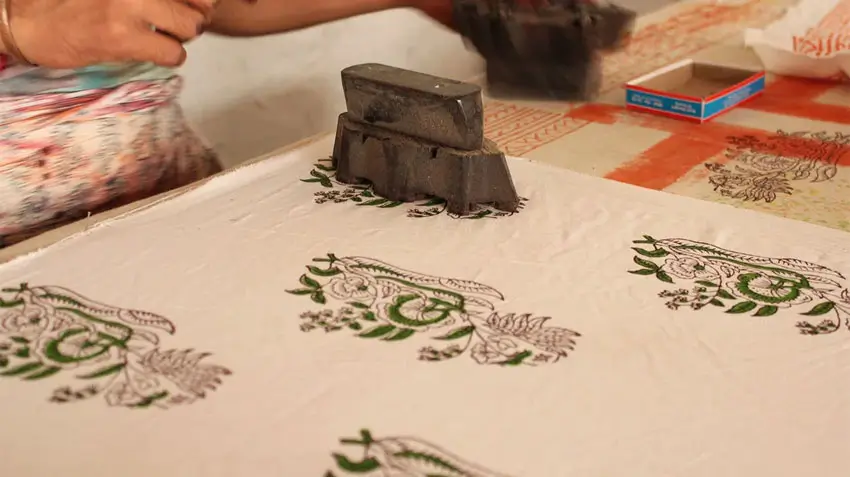
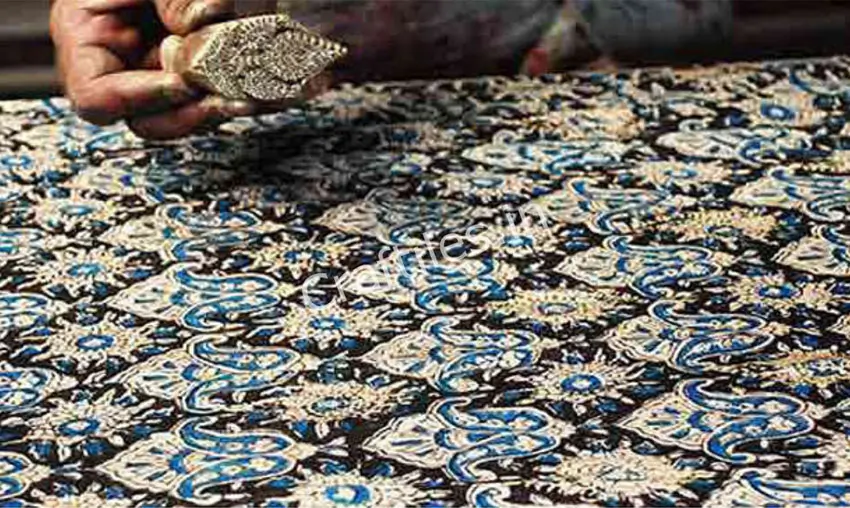
Located near Jaipur, Bagru is one of India’s oldest textile-printing villages, known worldwide for its natural dyes, wooden blocks, mud-resist techniques and traditional color palettes. Walking through Bagru feels like stepping into an open-air textile workshop - long tables covered with cloth, artisans dipping wooden blocks into natural pigments, and families passing down techniques that have existed for more than 300 years.
Block printing in Bagru follows a detailed sequence. Artisans prepare natural dyes using herbs, minerals, tree bark and iron rust. Wooden blocks are carved by skilled craftsmen, each carrying geometric, floral or tribal motifs. Fabrics are washed, sun-dried and printed by hand in rhythmic movements that create unforgettable visual patterns. The village’s signature Bagru Dabu printing - a mud-resist technique - uses clay, millet flour and cow dung to create earthy, elegant designs that define rural Rajasthani textiles.
Travelers visiting Bagru with a private driver reach authentic artisan homes and workshops located deep inside the village lanes. They witness every step of the process - dye preparation, block carving, printing, washing and drying. Many artisans offer hands-on workshops where travelers can print their own scarves or fabric pieces. Unlike market shops, Bagru offers a quiet, heartfelt experience where craftsmanship feels alive and personal.
Bagru’s color palette is rooted in nature - indigo blues, rust browns, madder reds, pomegranate yellows and earthy greens. These dyes reflect Rajasthan’s landscape, seasons and agricultural identity. The slow dyeing process, drying fabrics in sunlight and washing them in open village wells create a strong connection between craft and climate. This is what makes Bagru textiles so distinct and soulful.
The artistry in Bagru is not mass-produced; it is handmade, environmentally responsible and community-focused. This makes the village a powerful example of sustainable craft heritage.
A traditional Bagru textile passes through several stages before it becomes a finished product. The process requires patience, precision and considerable manual effort.
First, the fabric is washed and prepared so that it can absorb dyes properly. Artisans then place the fabric on long printing tables and apply carved wooden blocks by hand. In Dabu printing, a mud-based resist is applied to selected areas before the fabric is dyed. The resist prevents the dye from reaching covered portions, creating the characteristic patterns.
After dyeing, the cloth is washed, dried and sometimes treated through additional color and printing stages. The finished textile therefore represents several separate skills rather than a single printing technique.
For visitors, watching this sequence inside a working workshop provides a much better understanding of why handmade Bagru textiles differ from factory-produced prints.
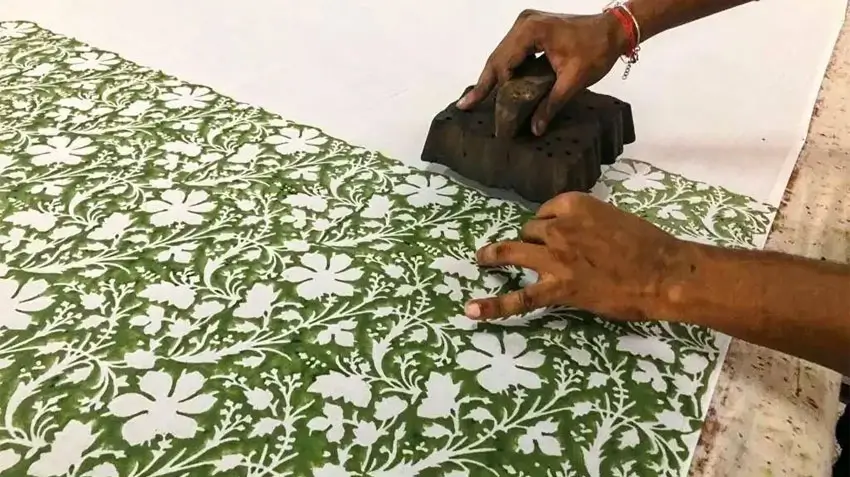
Close to Jaipur lies Sanganer, another major craft village renowned for its soft floral prints, white-background motifs and delicate textile patterns crafted using wooden blocks and natural dyes. While Bagru emphasizes earthy tones, Sanganer is known for intricate, lighter, more detailed printing styles that appeal to design lovers and textile collectors.
The village’s printing studios often operate in peaceful courtyards where artisans carefully align blocks to create symmetrical designs. The precision of Sanganeri prints makes them highly sought after globally for dresses, home décor and traditional attire. Many families specialize in specific motifs - lotus petals, fine vines, paisleys, buds and Mughal garden-inspired themes.
A private driver familiar with the region helps visitors reach genuine homes where printing still happens traditionally. This ensures travelers avoid commercial tourist setups and experience true regional craftsmanship.
Bagru and Sanganer are often mentioned together because both are associated with Rajasthan’s textile-printing traditions, but their visual character is different.
| Feature | Bagru | Sanganer |
| Style | Earthy and rustic | Fine and delicate |
| Common look | Natural tones and bold motifs | Floral and detailed patterns |
| Famous technique | Dabu and traditional block printing | Fine block printing |
| Typical colours | Indigo, brown, red and earthy shades | Lighter and brighter palettes |
| Best for | Traditional and rustic textiles | Elegant clothing and home textiles |
Bagru is particularly appealing to travelers interested in natural dyes and resist printing, while Sanganer is better suited to visitors looking for delicate floral patterns and finely detailed textiles.
Visiting both places during a Jaipur craft itinerary allows travelers to understand how two nearby textile traditions developed different artistic identities.
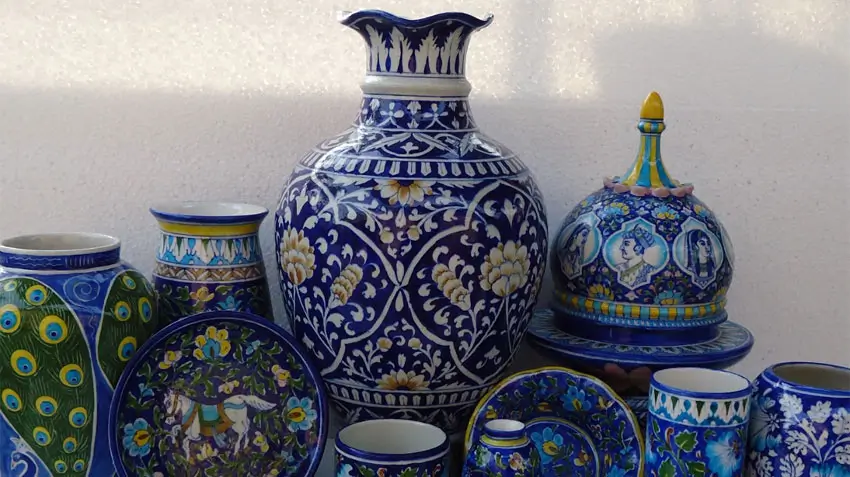
One of Rajasthan’s most iconic crafts originates from Jaipur - the world-famous Blue Pottery, known for its Persian-influenced motifs, floral patterns, turquoise shades and glazed ceramic finish. Unlike other ceramics, blue pottery is made without clay, using quartz stone powder, glass, multani mitti (clay), gum, and sodium sulphate. This unique combination creates a delicate yet durable texture.
Travelers visiting Jaipur’s blue pottery clusters find artisans shaping pots, vases, tiles, lamps, dishes and wall hangings by hand. Designs are drawn using cobalt oxide and then hand-painted with floral, bird or geometric motifs. The firing process gives the craft its signature blue shine, making each piece a small work of art.
Most blue pottery villages lie in Jaipur’s outer belts, and a private driver ensures comfortable access through busy and narrow lanes. Watching artisans paint delicate patterns on curved surfaces reveals the calming precision behind this heritage craft. For design lovers and collectors, blue pottery workshops offer endless inspiration.
Jaipur blue pottery is unusual because its traditional composition differs from ordinary clay pottery. Instead of relying primarily on conventional clay, artisans work with a quartz-based mixture that is shaped, dried, decorated and glazed before firing.
The surface is carefully prepared before artists outline floral, geometric or bird motifs. Cobalt-based blue pigments are traditionally associated with the craft's distinctive appearance, while other colours may be added to create more elaborate designs.
The final firing transforms the painted surface into the glossy finish associated with Jaipur blue pottery. Because much of the decoration is hand-painted, small variations between pieces are normal and are often part of their handmade character.
Travelers can find blue pottery in the form of:
When buying larger or delicate pieces, travelers should consider packaging and transport requirements, especially if the item will be carried on an international flight.
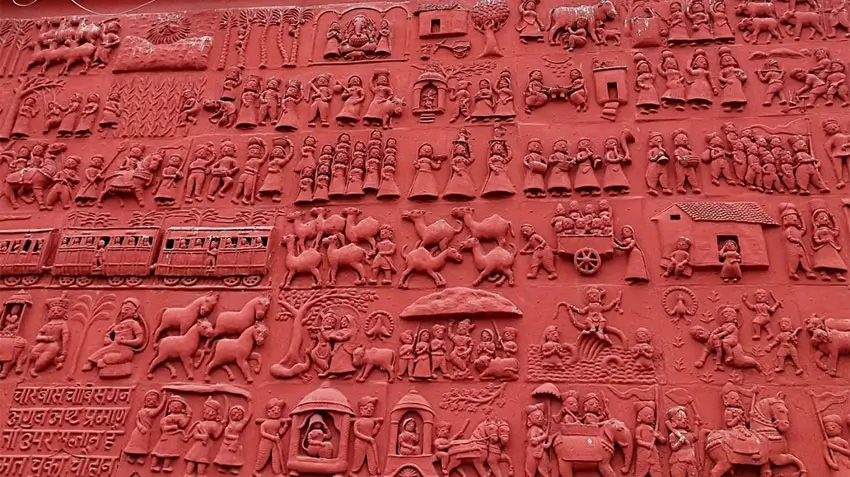
In the Rajsamand district lies Molela, a quiet artisan village known for its terracotta plaques and clay relief panels depicting deities, folk stories, tribal characters and local legends. The craft is unique to Molela - nowhere else in India is this specific terracotta style practiced traditionally.
Artisans carve figures on flat clay surfaces, creating detailed scenes of rural life, gods, festivals and tribal spirits. These panels are sun-dried and fired in open kilns, giving them a warm reddish-brown finish. Molela’s terracotta panels are often used in temples, village homes, courtyards and modern architecture.
Travelers who appreciate raw tribal art and earthy textures find Molela deeply inspiring. A private driver helps reach this remote village, where exploring small studios and talking to artisans becomes the highlight of the journey.
Molela terracotta is more than decorative pottery. Traditionally, the panels have been connected with religious traditions, local storytelling and community practices. Artisans create raised figures and scenes on flat clay surfaces, allowing an entire story or symbolic composition to appear within a single panel.
The craft is particularly interesting for travelers who want to experience Rajasthan beyond palace architecture and desert landscapes. A visit to Molela introduces a more rural artistic tradition where clay becomes a medium for mythology, community identity and visual storytelling.
Because artisan workshops can operate on a small scale, visitors should treat the village as a living community rather than a conventional tourist attraction.
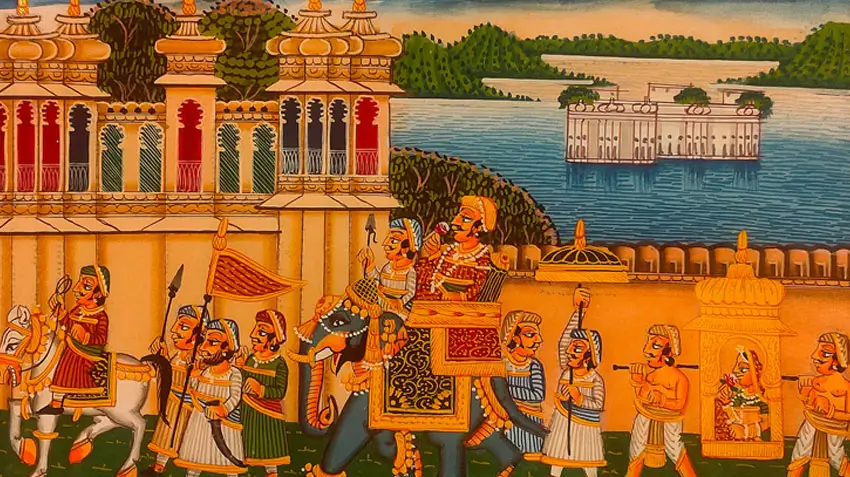
The region around Udaipur is home to miniature painting communities who preserve one of India’s most intricate and graceful art forms. Miniature painting workshops are often tucked inside small houses where multiple generations work together. Using ultra-fine brushes made from squirrel hair, painters draw delicate images of royal courts, elephants, horses, dancers, peacocks and mythological scenes.
The precision is astonishing - single strands of hair, jewelry details, facial expressions and textiles are all painted with micro-level detail. The colors used are natural pigments mixed with gum and water, creating intense hues that remain vibrant for decades.
Travelers visiting these workshops gain insight into how discipline, patience and devotion shape every painting. The environment feels meditative, with artists working silently under natural light. With a private driver, travelers can explore tiny lanes where these art studios exist hidden from mainstream tourist routes.
Rajasthan’s miniature painting tradition includes several regional schools, each with its own visual language. Mewar, Marwar, Jaipur, Bundi and Kota developed distinctive approaches influenced by court culture, religion, nature and local rulers.
Common subjects include royal processions, hunting scenes, Krishna legends, court life, musicians, animals, gardens and romantic themes. Artists use extremely fine lines and layered colours to create depth and detail on relatively small surfaces.
Travelers purchasing miniature paintings should ask about the painting technique, materials, artist and whether the work is handmade or reproduced. This information helps distinguish an original artisan work from a commercially printed image.
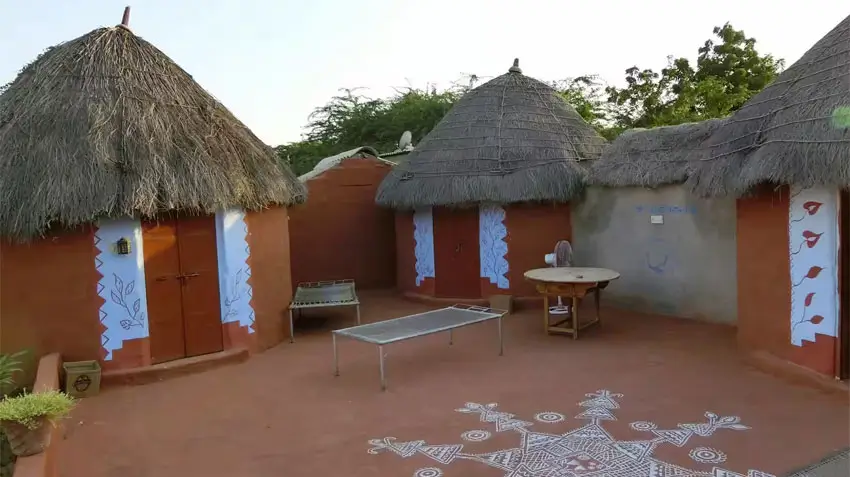
Salawas village outside Jodhpur is known for handmade dhurrie weaving, a craft where weavers create thick, durable carpets on traditional wooden looms. Dhurries feature geometric patterns, desert-inspired motifs, tribal symbols and earthy color combinations.
Watching artisans work on massive looms is mesmerizing. They pass threads manually, tighten knots and create perfect alignment without the help of machines. Each dhurrie can take weeks to complete. The craft reflects Rajasthan’s nomadic heritage, as dhurries were originally used by camel caravans, shepherds and royal courts.
Accessing authentic dhurrie homes in Salawas requires a driver who knows which workshops preserve genuine weaving techniques, avoiding commercial showrooms in the area.
Traditional dhurrie weaving begins with the preparation of yarn and the arrangement of the loom. Weavers then introduce threads row by row, tightening and aligning them manually to create the desired pattern.
Geometric designs are particularly common, although contemporary artisans also produce modern patterns and customized colours. The size and complexity of a dhurrie determine how long it takes to complete.
For travelers, the most interesting part is seeing the physical process behind a finished carpet. A handmade dhurrie carries visible variations that distinguish it from machine-made floor coverings.
The desert region of Barmer is a treasure for textile lovers, especially those drawn to hand embroidery, mirror work, patchwork and applique art. Women in Barmer create vibrant patterns using bright threads, glass mirrors, borders and hand-stitched motifs reflecting desert flora, tribal beliefs and festival culture.
This craft is not just artistic but emotional - mothers stitch bridal shawls, communities create group quilts, and traditional motifs tell stories of monsoons, camels, crops and desert gods. Barmer’s embroidery becomes a living record of rural life.
Traveling to Barmer’s villages is deeply rewarding, but long desert routes demand a professional driver familiar with local terrain.
Barmer's textile traditions are among the most visually expressive in western Rajasthan. Embroidery, applique, mirror work and patchwork are used to decorate garments, bags, quilts, wall hangings and household textiles.
Traditional motifs vary between communities and can reflect local flora, animals, religious symbols and geometric forms. Bright colours are particularly striking against the desert landscape of western Rajasthan.
For travelers interested in responsible shopping, purchasing directly from established artisan cooperatives or verified craft organizations can provide better support to the communities producing these textiles.
The desert villages surrounding Jaisalmer and Pokhran produce unique crafts using local clay and desert wood. Pottery here has a rugged aesthetic with earthy tones, matte textures and simple shapes that reflect minimalistic desert culture. Wooden craft workshops create carved utensils, camel figures, spice boxes, frames and decorative pieces using local desert hardwoods.
These crafts feel raw, rustic and authentic - a refreshing contrast to polished city markets. A private driver helps navigate narrow sandy lanes and remote village belts where authentic workshops exist.
Rajasthan's craft heritage extends well beyond the destinations covered above. Depending on the route, travelers can also encounter additional traditional crafts such as:
The availability of specific crafts varies by town and artisan community. Travelers should therefore research the craft cluster before making a special detour rather than assuming every market will have authentic handmade products.
Travelers do not necessarily need to travel across the entire state to experience Rajasthan's crafts. Several important artisan destinations can be incorporated into popular city itineraries.
Near Jaipur
Bagru, Sanganer and Jaipur's blue pottery workshops are the easiest options for travelers staying in or around Jaipur. They can be combined with a Jaipur sightseeing itinerary without requiring a separate multi-day journey.
Near Jodhpur
Salawas is one of the most convenient craft-focused excursions from Jodhpur. It works particularly well for travelers interested in dhurrie weaving and rural artisan communities.
Near Udaipur
Molela can be incorporated into a wider Udaipur and Rajsamand cultural route, particularly for travelers interested in terracotta and folk art.
Western Rajasthan
Barmer and the villages around the Jaisalmer and Pokhran region require more travel time but offer a deeper connection with desert textiles, embroidery and traditional rural crafts.
This makes it possible to create a craft-focused Rajasthan itinerary without visiting every destination in the state.
Craft villages are different from conventional tourist attractions. Many workshops operate inside private homes, small courtyards or family-run studios, and opening hours may not follow the fixed schedules of museums and forts.
Travelers should ideally plan visits with a local driver or guide who knows the artisan communities and can coordinate workshop visits in advance. This is particularly useful when visiting smaller villages where English-speaking assistance may be limited.
A private car also provides greater flexibility because craft workshops may be spread across different parts of a village or surrounding rural area.
Craft villages are ideal places to purchase products that have a stronger connection with their place of origin than generic tourist souvenirs. Depending on the destination, travelers can consider:
| Craft | Recommended Place | Popular Products |
| Block Printing | Bagru & Sanganer | Scarves, fabrics, dresses, home textiles |
| Blue Pottery | Jaipur | Plates, vases, tiles, décor |
| Terracotta | Molela | Wall panels and folk figures |
| Miniature Painting | Udaipur region | Paintings and art pieces |
| Dhurrie | Salawas | Rugs and floor coverings |
| Embroidery | Barmer | Bags, textiles, wall décor |
| Traditional Leatherwork | Various Rajasthan towns | Juttis, bags and accessories |
| Lac Craft | Jaipur region | Bangles and decorative items |
When shopping, travelers should remember that handmade products may contain slight variations in colour, size and pattern. These differences are usually characteristics of hand production rather than defects.
Craft tourism can provide valuable income to artisan communities, but travelers can make an even greater impact by shopping thoughtfully and respecting traditional practices.
Whenever possible, purchase directly from artisans, cooperatives or transparent craft organizations. Ask questions about who made the product, which technique was used and whether the item is handmade.
Avoid aggressively bargaining over very low prices when buying labour-intensive handmade products. A small reduction in price may matter little to a tourist but can significantly affect an artisan's earnings.
Responsible craft tourism is ultimately about creating a fair relationship between travelers and the communities that preserve Rajasthan's artistic traditions.
As travel shifts towards authenticity and meaningful cultural experiences, craft villages offer what modern tourists seek - immersion, creativity, slow travel, community experiences and living heritage. They provide a chance to:
With a private driver, travelers gain safe access to rural belts, narrow village lanes, artisanal homes and scenic countryside routes that define Rajasthan’s cultural richness.
The most comfortable period for visiting Rajasthan's craft villages is generally from October to March, when temperatures are more suitable for long road journeys and rural sightseeing.
Winter mornings and afternoons are particularly pleasant for workshop visits and photography. Summer can be extremely hot, especially in western Rajasthan, while the monsoon season may bring occasional changes in road and village conditions.
Craft production itself continues throughout the year, so travelers do not necessarily need to visit during a specific season to see artisans at work. However, festival periods and local fairs can sometimes provide additional opportunities to experience traditional crafts and cultural performances.
Travelers can incorporate craft experiences into different Rajasthan routes depending on their available time.
3-Day Jaipur Craft Experience
Day 1: Jaipur – City Palace, local craft markets and blue pottery
Day 2: Bagru – block printing workshop and village experience
Day 3: Sanganer – textile printing followed by Jaipur sightseeing
5-Day Jaipur to Jodhpur Craft Route
Day 1: Jaipur sightseeing and blue pottery
Day 2: Bagru block printing experience
Day 3: Jaipur to Jodhpur
Day 4: Jodhpur and Salawas dhurrie weaving
Day 5: Jodhpur heritage sightseeing
7-Day Rajasthan Craft & Heritage Route
Jaipur - Bagru - Sanganer - Udaipur - Molela - Jodhpur - Salawas
This route combines Rajasthan's major heritage cities with artisan communities and provides a broader understanding of the relationship between royal culture, rural traditions and handmade crafts.
Yes, they are safe and welcoming, especially with a driver who knows local routes.
Yes, Bagru, Sanganer, Udaipur and Jaipur offer hands-on workshops.
Bagru and Sanganer are top textile villages for block printing.
Villages and lanes around Udaipur house authentic miniature studios.
It is delicate but durable when handled properly.
A half-day to full-day depending on distance and interest.
Handmade pieces vary — but they offer high value for art lovers.
Yes, they find workshops and crafting processes very engaging.
Yes, they find workshops and crafting processes very engaging.
Usually yes, but always ask artisans before taking close-ups.
Many artisans can arrange safe packaging and international shipping.
Bagru is one of the best choices for travelers interested in traditional block printing and Dabu printing. Sanganer is another important textile destination, while Jaipur itself is famous for blue pottery and other handicrafts.
Bagru is particularly famous for traditional hand block printing and Dabu mud-resist printing using wooden blocks and distinctive colour combinations.
Yes. Both are important textile-printing centres, but their visual styles and traditional techniques differ. Bagru is especially associated with earthy colours and Dabu printing, while Sanganer is known for finer floral and detailed prints.
Jaipur is the main destination associated with Rajasthan's blue pottery tradition. Travelers can visit workshops and craft stores to see artisans creating and decorating blue pottery products.
Molela in the Rajsamand region is particularly known for its traditional terracotta plaques and relief panels.
Salawas, near Jodhpur, is well known for traditional dhurrie weaving and offers opportunities to see artisans working on handlooms.
Some artisan workshops offer demonstrations or hands-on activities, but availability varies. It is best to arrange a workshop in advance rather than assuming every artisan will offer a formal tourist activity.