Nestled between the Aravalli Hills and the edge of the Thar Desert, Pushkar is one of Rajasthan's most distinctive destinations. Unlike the grand royal cities of Jaipur, Udaipur, and Jodhpur, Pushkar offers a completely different atmosphere where spirituality, history, culture, and relaxed village life blend together. It is a destination that attracts pilgrims, photographers, backpackers, luxury travelers, yoga enthusiasts, and international tourists looking for an authentic experience beyond Rajasthan's magnificent forts and palaces.
The town is internationally known for the sacred Pushkar Lake, the historic Brahma Temple, and the world-famous Pushkar Camel Fair. Every narrow street is filled with colorful handicraft shops, rooftop cafés, traditional music, incense, temples, and friendly local communities. Walking through the old town reveals a fascinating mixture of religious traditions and modern tourism, making Pushkar unlike anywhere else in India.
Although relatively small in size, Pushkar offers far more than visitors often expect. Travelers can attend evening prayers beside the lake, watch breathtaking sunsets from hilltop temples, explore centuries-old ghats, ride camels across nearby sand dunes, shop for handmade textiles, or simply relax in peaceful cafés overlooking the town. The slower pace allows visitors to spend time appreciating the local culture instead of rushing between attractions.
For many international travelers, Pushkar is included as part of a Rajasthan itinerary connecting Jaipur, Ajmer, Jodhpur, and Udaipur. Because of its convenient location and unique character, it provides an excellent balance between Rajasthan's royal heritage and its spiritual traditions.
Whether you plan to visit during the famous camel fair or during a quieter season, understanding the town's history, major attractions, local customs, and travel tips will help you experience Pushkar in the most rewarding way.
Leave the grand palaces behind for a while and experience Pushkar’s sacred lake, ancient temples, colourful streets, peaceful rituals, and timeless spiritual atmosphere—a completely different side of Rajasthan.
Chat On WhatsApp Contact UsThe most important attraction in Pushkar is undoubtedly Pushkar Lake, one of India's most sacred lakes. According to Hindu tradition, the lake was created when a lotus flower dropped from the hand of Lord Brahma, making the town one of the country's most significant pilgrimage destinations. Today, the lake is surrounded by more than fifty bathing ghats and hundreds of temples, creating an atmosphere of peace and devotion throughout the day.
Walking around the lake is one of the most memorable experiences in Pushkar. Early mornings are especially tranquil as pilgrims perform religious rituals, priests conduct prayers, and the rising sun reflects beautifully across the calm water. The peaceful environment provides visitors with an opportunity to observe local traditions while respecting the religious importance of the site.
Each ghat has its own historical and spiritual significance. Pilgrims often perform ceremonial bathing, believing that the sacred waters help cleanse the soul and bring spiritual blessings. Visitors are welcome to observe these traditions respectfully, although photography should always be approached with sensitivity, particularly during religious ceremonies.
As evening approaches, the atmosphere changes once again. Lamps begin to illuminate the ghats, devotional songs fill the air, and the evening Aarti ceremony attracts both pilgrims and tourists. Watching the floating lamps reflected across the lake creates a peaceful experience that many travelers describe as one of the highlights of their Rajasthan journey.
Surrounding the lake are narrow streets filled with cafés, handicraft stores, traditional sweet shops, yoga centers, and guesthouses. Unlike the busy commercial districts of larger cities, Pushkar's old town encourages visitors to explore slowly, discovering hidden temples, local artisans, and charming rooftop restaurants overlooking the lake.
Because the lake is considered highly sacred, visitors should dress modestly and respect local customs. Shoes should be removed where required, and swimming is generally not appropriate outside designated religious practices. Maintaining respectful behavior ensures that both pilgrims and tourists can enjoy this remarkable spiritual destination together.
The peaceful setting of Pushkar Lake makes it much more than a sightseeing attraction. It serves as the cultural and spiritual center of the town, offering visitors a rare opportunity to experience centuries-old traditions that continue to shape daily life in Rajasthan.
Among Pushkar's many attractions, the Brahma Temple holds exceptional religious significance. Dedicated to Lord Brahma, the creator according to Hindu tradition, it is regarded as one of the very few temples in the world devoted to this deity. This unique status attracts pilgrims from across India as well as international travelers interested in the country's rich spiritual heritage.
The temple's distinctive red spire, marble floors, and beautifully decorated interiors create an atmosphere of reverence and history. Although photography inside the main prayer areas is generally restricted, visitors can admire impressive architectural details and observe traditional worship practices that have continued for generations. The temple remains active throughout the year, with the greatest number of visitors arriving during important religious festivals and the famous Pushkar Camel Fair.
Another remarkable viewpoint is the Savitri Temple, located on a hill overlooking the town. Visitors can either climb the steps leading to the temple or use the convenient ropeway. From the summit, panoramic views of Pushkar Lake, surrounding desert landscapes, temples, and the Aravalli Hills provide some of the finest photography opportunities in the region. Sunrise and sunset are particularly spectacular, attracting both photographers and nature lovers.
Nearby, the Varaha Temple and Rangji Temple showcase different architectural styles and historical influences, reflecting Pushkar's diverse religious traditions. Exploring these temples allows visitors to gain a deeper understanding of the town's spiritual importance beyond its most famous landmarks.
Outside the temple district, travelers often enjoy wandering through Pushkar's lively markets. Colorful stalls display embroidered textiles, leather bags, silver jewelry, handcrafted souvenirs, paintings, scarves, musical instruments, and traditional Rajasthani clothing. Unlike larger cities, shopping here often feels more relaxed, allowing visitors to interact directly with local artisans and family-owned businesses.
For those interested in adventure, short camel rides and desert excursions on the outskirts of Pushkar provide an introduction to Rajasthan's famous desert landscapes without traveling as far as Jaisalmer. Evening safaris frequently include cultural performances, traditional music, and authentic local cuisine, offering a memorable experience after a day of sightseeing in the town.
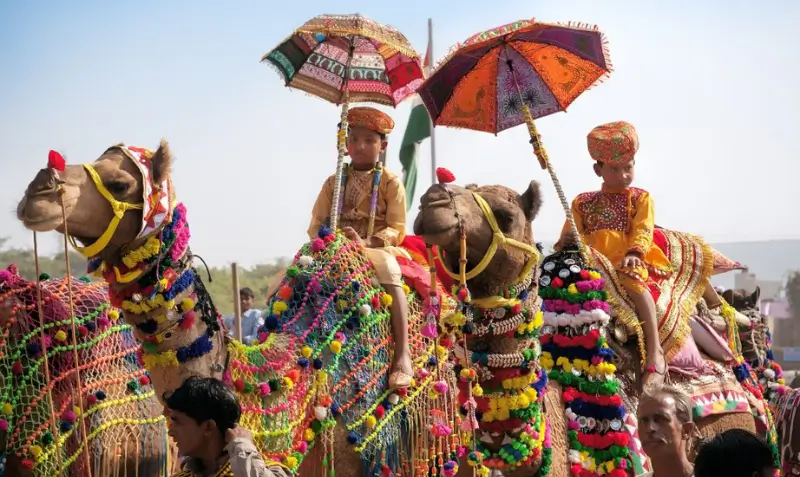
The Pushkar Camel Fair is one of India's most celebrated cultural events and transforms this peaceful town into a vibrant gathering of traders, artists, performers, photographers, and travelers from around the world. What begins as a traditional livestock trading event becomes an extraordinary festival showcasing Rajasthan's colorful heritage through folk music, dance performances, camel decorations, handicraft exhibitions, and cultural competitions.
Thousands of camels, horses, and cattle arrive from different regions of Rajasthan, creating a spectacular sight rarely experienced elsewhere. Camel races, traditional sporting events, local competitions, and evening cultural performances provide visitors with an authentic insight into Rajasthan's rural traditions. The fair also offers outstanding opportunities for photography, as beautifully decorated animals, vibrant traditional clothing, and dramatic desert landscapes combine to create unforgettable images.
Even if your visit does not coincide with the famous fair, Pushkar remains an attractive destination throughout the year. Cooler months provide the most comfortable weather for walking around Pushkar Lake, exploring temples, shopping in local markets, and enjoying rooftop cafés. Morning and evening are particularly pleasant for sightseeing, while sunsets viewed from Savitri Temple or the surrounding hills are among the most memorable experiences in the town.
Food lovers will also appreciate Pushkar's unique culinary scene. Because of the town's spiritual significance, many restaurants serve exclusively vegetarian cuisine. Visitors can enjoy authentic Rajasthani dishes, traditional Indian sweets, freshly prepared street food, healthy cafés, and international menus designed for travelers from around the world. Rooftop restaurants overlooking the lake are especially popular during sunset, offering peaceful views accompanied by local flavors.
Shopping is another highlight of any Pushkar visit. The colorful bazaars surrounding the lake are filled with handcrafted textiles, embroidered bags, silver jewelry, handmade soaps, leather goods, scarves, paintings, decorative items, musical instruments, and souvenirs created by local artisans. Bargaining is common in many shops, but respectful negotiations contribute to a more enjoyable shopping experience for both visitors and sellers.
Whether attending the famous camel fair or exploring the town during quieter months, Pushkar offers a remarkable combination of spirituality, culture, local traditions, and relaxed hospitality that distinguishes it from every other destination in Rajasthan.
Connect Jaipur, Ajmer and Pushkar in one seamless private journey, with time for sacred landmarks, local markets, desert experiences and sunset views.
Chat On WhatsApp Contact UsPushkar offers accommodation suitable for every travel style and budget. Visitors can choose from budget guesthouses, boutique hotels, heritage properties, lakeside resorts, luxury camps, and wellness retreats specializing in yoga and meditation. Many hotels are located within walking distance of Pushkar Lake, allowing guests to explore the town comfortably without relying on transportation.
Luxury travelers often prefer heritage-style accommodations that combine traditional Rajasthani architecture with modern amenities. These properties frequently feature beautifully designed courtyards, rooftop restaurants, swimming pools, and cultural performances that enhance the overall experience. Budget travelers will also find numerous clean and comfortable guesthouses providing excellent value close to the main attractions.
The nearest major railway station and airport connections are available through Ajmer, located only a short drive from Pushkar. From Jaipur, the journey by road typically takes several hours through scenic countryside, making Pushkar an easy addition to a broader Rajasthan itinerary. Many visitors combine Jaipur, Ajmer, and Pushkar before continuing toward Jodhpur, Udaipur, or Jaisalmer.
Hiring a private vehicle with an experienced driver is one of the most convenient ways to travel between Rajasthan's major destinations. This option provides flexibility to stop at interesting villages, viewpoints, and historical sites along the route while avoiding the challenges of coordinating public transportation schedules.
While exploring Pushkar, visitors should respect local customs because of the town's deep religious significance. Modest clothing is recommended when visiting temples and the lake area, shoes should be removed where required, and photography should be avoided during private religious ceremonies unless permission has been granted. Maintaining respectful behavior ensures a positive experience for both visitors and local communities.
Cash remains useful for shopping in smaller stores and local markets, although many hotels, restaurants, and larger businesses now accept digital payments and international cards. Carrying drinking water, wearing comfortable walking shoes, and beginning sightseeing early in the morning also contribute to a more enjoyable visit.
Whether you are interested in spiritual traditions, cultural festivals, photography, shopping, or simply experiencing the peaceful atmosphere of one of Rajasthan's most distinctive towns, Pushkar rewards travelers who take the time to explore beyond its famous landmarks. Its combination of sacred heritage, welcoming hospitality, vibrant markets, and desert surroundings creates an unforgettable destination that complements every Rajasthan itinerary.
Pushkar is internationally known for Pushkar Lake, the historic Brahma Temple, the world-famous Pushkar Camel Fair, and its unique combination of spirituality, culture, and traditional Rajasthani heritage.
Most travelers spend one to two days exploring the temples, lake, markets, viewpoints, and nearby desert attractions at a comfortable pace.
Yes. The Brahma Temple is considered one of the world's most significant temples dedicated to Lord Brahma and is one of Pushkar's most important attractions.
Yes. Many travelers visit Pushkar from Jaipur, although staying overnight allows more time to enjoy the evening atmosphere and sunrise around the lake.
The cooler months provide the most comfortable weather for sightseeing, temple visits, shopping, and exploring the town on foot.
Yes. Families enjoy the peaceful environment, cultural attractions, local markets, camel rides, and scenic viewpoints throughout the town.
Yes. Pushkar offers several luxury resorts, boutique heritage hotels, wellness retreats, and premium accommodations suitable for international travelers.
Yes. Pushkar is well known for its wide selection of vegetarian restaurants serving traditional Rajasthani cuisine, Indian specialties, and international dishes.
Pushkar is located only a short drive from Ajmer, making travel between the two destinations quick and convenient.
Absolutely. Pushkar is commonly included in Rajasthan itineraries connecting Jaipur, Ajmer, Jodhpur, Udaipur, and Jaisalmer, providing travelers with a unique spiritual and cultural experience alongside the state's famous royal cities.