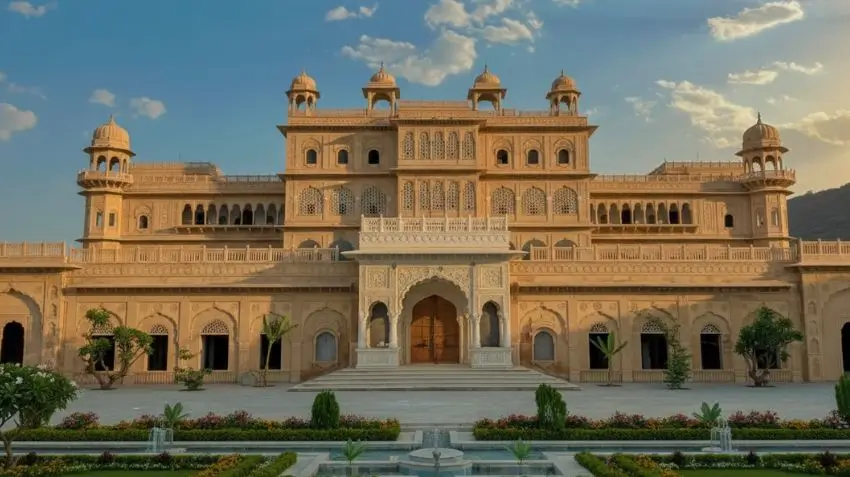
Choosing accommodation is one of the most important decisions when planning a luxury Rajasthan tour. Rajasthan is unlike most travel destinations because hotels are not simply places to sleep. In many cases, they become a major part of the travel experience itself. Travelers visit Rajasthan to admire royal architecture, learn about centuries of history, enjoy cultural experiences, and immerse themselves in the grandeur of India's former princely states. The accommodation selected can significantly influence how deeply visitors connect with this heritage.
Among the most popular options available to international travelers are Palace Hotels in Rajasthan and Heritage Havelis in Rajasthan. Both offer unique experiences rooted in history, architecture, and local culture. However, they appeal to different types of travelers and deliver very different atmospheres.
Many first-time visitors assume that palace hotels and heritage havelis are similar because both occupy historic buildings. In reality, the experience of staying in a grand royal palace can be vastly different from spending nights in a restored merchant mansion located within a traditional neighborhood. Understanding these differences allows travelers to select accommodations that align with their expectations, travel style, and budget.
Some visitors prioritize grandeur, luxury amenities, and royal experiences. Others seek intimacy, authenticity, and a closer connection to local culture. Neither option is universally better. The ideal choice depends entirely on the type of journey a traveler hopes to create.
For couples planning a romantic holiday, families exploring Rajasthan's rich history, photographers seeking authentic settings, or luxury travelers looking for exceptional service, understanding the strengths of both accommodation styles can help transform a good trip into an extraordinary one.
Choose accommodations that become part of your story, where every courtyard, balcony, and heritage detail adds meaning to your Rajasthan adventure.
Chat On WhatsApp Contact UsTo understand the appeal of Luxury Palace Hotels in Rajasthan, it is important to recognize their historical significance. Many of these properties were once the official residences of Maharajas, royal families, and ruling dynasties. Rather than constructing modern hotels, owners transformed these magnificent palaces into hospitality properties while preserving their architectural integrity and historical character.
Staying in a palace hotel often feels like stepping into a different era. Grand courtyards, marble halls, decorative arches, elaborate frescoes, crystal chandeliers, royal gardens, and ceremonial spaces reflect centuries of aristocratic history. These buildings were originally designed to impress visiting dignitaries, foreign rulers, and important guests, and that sense of grandeur remains evident today.
Some of the most famous palace hotels in Rajasthan are internationally recognized luxury destinations. Properties in Udaipur, Jaipur, Jodhpur, and other historic cities regularly appear on lists of the world's finest hotels. Many offer breathtaking views, exceptional dining experiences, luxury spas, private pools, and highly personalized service.
Guests often enjoy experiences that extend beyond accommodation. Cultural performances, royal dining experiences, vintage car displays, heritage walks, and curated activities create opportunities to engage with Rajasthan's royal legacy. For travelers seeking luxury and exclusivity, palace hotels deliver a level of sophistication that few destinations can match.
Another advantage is the scale of these properties. Palace hotels typically feature extensive grounds, multiple restaurants, wellness facilities, swimming pools, landscaped gardens, and numerous recreational spaces. Travelers can spend entire days within the property while still finding new areas to explore.
International visitors frequently choose palace hotels because they combine historical authenticity with modern comfort. Spacious suites, premium bedding, advanced amenities, climate control systems, and world-class hospitality ensure that guests experience luxury without sacrificing convenience.
For travelers seeking a truly royal experience, palace hotels remain one of Rajasthan's most compelling accommodation options.
While palace hotels represent the world of kings and royalty, Heritage Havelis in Rajasthan tell a different story. Havelis were traditionally built by wealthy merchants, traders, bankers, and influential families who prospered through commerce along Rajasthan's historic trade routes.
Unlike royal palaces designed for state functions and ceremonial events, havelis were private residences. They often featured intricately carved facades, decorative courtyards, artistic frescoes, and beautifully designed living spaces intended for family life.
Today, many of these historic buildings have been carefully restored and converted into boutique heritage hotels. The result is an accommodation experience that feels intimate, authentic, and deeply connected to local culture.
One of the defining characteristics of a heritage haveli is its atmosphere. Guests often feel more like visitors to a historic family home than patrons of a luxury hotel. The scale is typically smaller, allowing for more personalized interactions and a stronger sense of place.
Many travelers appreciate the opportunity to stay within traditional neighborhoods rather than isolated luxury compounds. Walking through nearby streets, observing daily life, interacting with local residents, and discovering hidden architectural details can become highlights of the journey.
The architecture of heritage havelis often showcases remarkable craftsmanship. Hand-painted murals, carved wooden doors, decorative balconies, stone latticework, and traditional courtyards reflect artistic traditions that have been preserved for generations.
Although many havelis offer luxury amenities, they generally emphasize charm and authenticity rather than grandeur. Travelers seeking immersive cultural experiences frequently prefer heritage havelis because they provide a more intimate connection to Rajasthan's living heritage.
For photographers, history enthusiasts, and travelers interested in local culture, staying in a heritage haveli can create a uniquely rewarding experience that differs significantly from conventional luxury travel.
When comparing Palace Hotels vs Heritage Havelis, comfort and luxury often become major considerations. Both accommodation types can provide excellent hospitality, but they approach luxury in different ways.
Palace hotels typically deliver a highly polished luxury experience. Guests can expect expansive rooms, premium facilities, multiple dining venues, spa services, concierge support, swimming pools, wellness programs, and extensive recreational options. Every aspect of the guest journey is carefully designed to reflect international luxury standards.
The service structure in palace hotels is often highly organized. Large teams of trained professionals ensure smooth operations and personalized attention. Travelers accustomed to five-star hotels in North America, Europe, or the Middle East often find palace hotels immediately familiar while still appreciating their unique historical setting.
Heritage havelis, on the other hand, provide a more intimate form of luxury. Rather than emphasizing scale and grandeur, they focus on character, atmosphere, and personalized hospitality. Guests frequently interact directly with owners, managers, or long-serving staff members who possess deep knowledge of the property's history and local culture.
Room sizes and facilities vary significantly among heritage havelis. Some rival luxury hotels in comfort, while others prioritize historical authenticity over modern extravagance. Travelers should research individual properties carefully to ensure they align with personal expectations.
Dining experiences also differ. Palace hotels often feature multiple restaurants serving international and regional cuisine. Heritage havelis may offer smaller dining programs focused on home-style cooking, family recipes, and local specialties.
Ultimately, palace hotels excel at delivering grand luxury experiences, while heritage havelis often succeed through warmth, character, and authenticity.
For many travelers, the primary motivation for visiting Rajasthan is cultural immersion. Understanding local traditions, architecture, cuisine, and history often ranks higher than luxury amenities alone. In this context, the distinction between palace hotels and heritage havelis becomes particularly important.
Palace hotels offer direct access to Rajasthan's royal heritage. Guests can experience spaces once occupied by kings, queens, and aristocrats. Architectural details, historical artifacts, ceremonial halls, and curated cultural programs create opportunities to engage with the state's royal legacy.
Many palace properties organize cultural performances, heritage walks, traditional music events, and curated storytelling experiences that help visitors understand the historical significance of the building and surrounding region.
Heritage havelis provide a different kind of cultural immersion. Because many are located within traditional neighborhoods, guests often experience a more immediate connection to daily life. Morning walks through local markets, conversations with residents, and observations of everyday activities create meaningful cultural encounters.
The smaller scale of many havelis encourages interaction. Staff members frequently share personal stories, local recommendations, and insights that may not be available within larger luxury hotels.
Travelers interested in understanding how merchant families lived, traded, and contributed to Rajasthan's development often find heritage havelis especially fascinating. These properties preserve aspects of social and economic history that complement the royal narratives represented by palace hotels.
Both accommodation styles contribute valuable cultural perspectives. The ideal choice depends on whether a traveler is more interested in royal heritage, local life, or a combination of both.
Whether you dream of living like royalty in a magnificent palace or prefer the timeless charm of a heritage haveli, we'll help you choose the stay that perfectly matches your travel style.
Chat On WhatsApp Contact UsSelecting between a palace hotel and a heritage haveli ultimately depends on travel priorities. There is no universally correct answer because different travelers seek different experiences.
Couples celebrating anniversaries, honeymoons, or special occasions often gravitate toward palace hotels due to their romantic settings, luxurious facilities, and exceptional service. Properties overlooking lakes, gardens, or historic cityscapes create unforgettable memories.
Luxury travelers seeking premium amenities, wellness programs, fine dining, and world-class hospitality generally prefer palace hotels. These properties offer comprehensive experiences that extend far beyond accommodation.
Travelers interested in photography, architecture, and cultural immersion frequently appreciate heritage havelis. The intimate atmosphere, artistic details, and neighborhood settings create opportunities for deeper exploration and authentic encounters.
Families may choose either option depending on preferences. Palace hotels provide extensive facilities and activities, while heritage havelis offer unique educational experiences and opportunities for meaningful cultural engagement.
Many experienced travelers combine both styles within a single itinerary. Spending several nights in a grand palace followed by stays in carefully selected heritage havelis allows visitors to experience multiple dimensions of Rajasthan's rich heritage.
The most rewarding journeys often involve balancing luxury, authenticity, comfort, and cultural discovery. Whether choosing a magnificent palace or a charming haveli, Rajasthan offers accommodation experiences that become cherished memories long after the journey ends.
Palace hotels were former royal residences, while heritage havelis were traditionally private mansions owned by wealthy merchant families.
Generally yes, palace hotels offer larger facilities and more extensive luxury amenities, though some havelis also provide exceptional comfort.
Palace hotels are often preferred for honeymoons due to their romantic atmosphere and luxury services.
In many cases, yes. Heritage havelis often provide excellent value while maintaining historical character.
Many travelers find heritage havelis more immersive because of their neighborhood locations and intimate atmosphere.
Yes, many heritage havelis welcome families and provide spacious accommodations.
Absolutely. Most palace hotels offer excellent accessibility, comfort, and personalized assistance.
Jaisalmer, Jaipur, Mandawa, Bikaner, and Jodhpur are known for exceptional heritage haveli properties.
Yes, most palace hotels combine historical architecture with contemporary luxury facilities.
Yes, many travelers enjoy experiencing both palace hotels and heritage havelis to gain a broader understanding of Rajasthan's heritage.