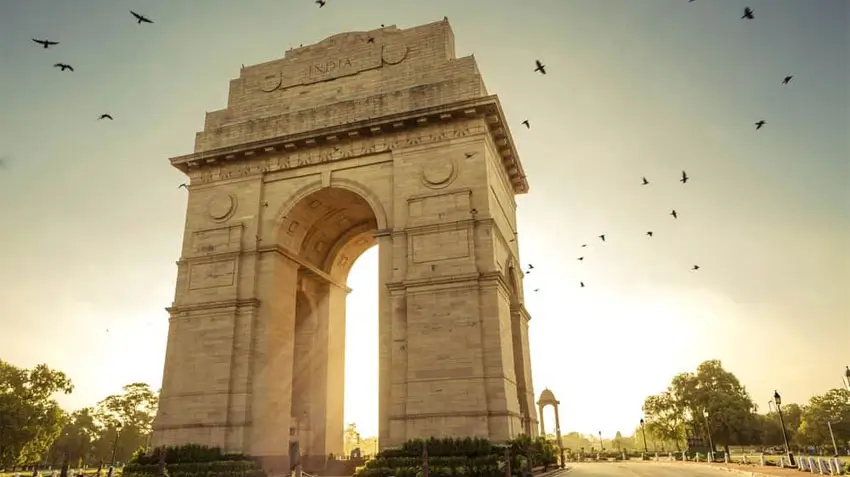
India is a country of contrasts. Ancient temples stand beside glass towers. Progressive laws coexist with conservative social norms. Nowhere is this complexity more visible than in conversations around LGBT travel safety. For LGBT travelers, India is neither uniformly unsafe nor universally accepting. It is layered, contextual, and deeply dependent on location, visibility, and cultural awareness.
Understanding LGBT travel safety in India requires separating legal reality from social behavior, and public visibility from private acceptance. This guide focuses on practical clarity rather than assumptions, helping travelers navigate India with confidence, respect, and informed awareness.
From a legal standpoint, same-sex relationships between consenting adults are no longer criminalized in India. This legal shift marked a major turning point, particularly for travelers concerned about arrest or prosecution.
However, decriminalization does not automatically translate into full legal equality. Marriage rights, adoption laws, and anti-discrimination protections remain limited. For travelers, this distinction matters less for day-to-day movement and more for understanding social boundaries.
In practical terms, LGBT travelers are not breaking the law by existing openly. Legal systems do not target tourists for sexual orientation or gender identity. The more relevant factor is social perception rather than legal risk.
Indian society operates through layered visibility. Acceptance often exists in private spaces while discretion governs public behavior. Many LGBT Indians live openly within trusted circles while maintaining low visibility in public settings.
For travelers, this means that social acceptance varies by environment, not by identity alone. A private conversation in a café may feel relaxed, while public displays of affection can attract attention regardless of sexual orientation.
Understanding this distinction helps LGBT travelers avoid unnecessary discomfort while still enjoying meaningful experiences.
India can be a rewarding destination for LGBT travelers when journeys are planned with care, awareness, and local understanding. Our team focuses on safe routes, respectful stays, and reliable transport — helping you explore India comfortably and confidently.
Chat On WhatsApp Contact UsMajor metropolitan cities tend to offer higher comfort levels for LGBT travelers due to exposure, diversity, and anonymity.
Cities such as Delhi, Mumbai, and Bengaluru host visible LGBT communities, inclusive social spaces, and progressive attitudes, particularly among younger populations.
In these cities, LGBT travelers generally blend in without issue, especially when behavior aligns with broader social norms.
Heritage and tourist-focused cities like Jaipur, Agra, and Udaipur operate within a different framework.
Here, travelers of all backgrounds are viewed primarily as visitors rather than individuals to be scrutinized. Service providers focus on hospitality rather than personal identity. LGBT travelers typically experience neutrality rather than overt acceptance or hostility.
Discretion in public spaces remains advisable, but safety concerns are generally minimal.
Rural regions and small towns tend to be more conservative due to limited exposure and traditional social structures. This does not imply hostility, but rather unfamiliarity.
In such environments, visibility attracts curiosity rather than aggression. LGBT travelers are advised to maintain low-profile behavior, similar to how heterosexual couples often do.
Safety concerns in rural India are more related to infrastructure, language barriers, and logistics than sexual orientation.
Public displays of affection are uncommon in India across all orientations. Holding hands, hugging, or kissing in public spaces can attract attention regardless of gender combination.
For LGBT travelers, respecting this norm reduces unwanted focus. Discretion is not about hiding identity; it is about aligning with local behavioral expectations.
Private spaces such as hotels, cafés, and curated social environments offer more relaxed interaction.
Most mid-range and premium hotels in India are professional and neutral in approach. LGBT travelers are rarely questioned about relationship status.
However, smaller guesthouses or homestays may operate within family-run environments where discretion is preferred. Choosing accommodation with professional management ensures smoother experiences.
Booking rooms as “friends” is common practice and does not raise concerns. Documentation requirements are standard and unrelated to orientation.
Gay and lesbian travelers generally experience similar safety dynamics to other visitors. The primary factor influencing comfort is visibility rather than orientation.
Same-sex couples traveling together typically face curiosity rather than confrontation. Most interactions remain polite and transactional.
Safety precautions focus on general travel awareness rather than identity-specific threats.
India has a long historical association with gender-diverse communities, yet contemporary experiences vary.
Transgender travelers may attract more attention, particularly outside metropolitan areas. Attention is not always hostile, but it can feel intrusive.
Choosing travel routes, accommodations, and transport with higher exposure to diversity improves comfort. Private transport and professional guides add an extra layer of ease.
Solo travel in India is common and manageable with preparation. For LGBT travelers, solo journeys often reduce visibility-related concerns compared to traveling as a couple.
Solo travelers blend into broader tourist flows and face similar challenges related to navigation, communication, and safety.
Confidence, awareness, and respectful behavior go a long way.
Major cities offer LGBT-friendly nightlife, cafés, and cultural spaces. These environments provide opportunities for connection and expression without judgment.
Participation in such spaces is generally safe, though discretion is advised regarding sharing personal information with strangers.
Smaller cities may lack dedicated venues but still offer inclusive private gatherings.
Law enforcement agencies in India do not target LGBT individuals. Interactions with police are typically related to routine matters such as traffic or documentation.
In the rare event of questioning, respectful communication resolves issues quickly. Sexual orientation is not a factor in legal scrutiny.
Travelers should carry standard identification and avoid confrontational behavior, as recommended for all visitors.
India does not enforce dress codes, but cultural context influences perception. Clothing that aligns with local norms reduces attention.
Gender expression varies widely across regions. Urban centers allow more freedom, while conservative areas respond better to understated presentation.
Travelers should prioritize personal comfort while remaining situationally aware.
Digital connectivity allows LGBT travelers to access information, support networks, and local guidance easily.
Travel forums, social platforms, and curated travel resources offer insights into current conditions and community spaces.
However, online discretion remains important, especially when sharing real-time location details.
Traveling through culturally complex environments can be emotionally demanding. LGBT travelers may experience moments of hyper-awareness or restraint.
Recognizing that discretion does not equal denial helps maintain balance. India rewards patience, adaptability, and perspective.
Choosing environments aligned with comfort levels ensures positive experiences.
India is not defined by a single narrative. It contains progressive art scenes, conservative villages, inclusive communities, and evolving attitudes.
For LGBT travelers, India offers depth, spirituality, history, and human connection that transcends identity-based limitations.
Approaching the country with informed respect opens doors rather than closing them.
When traveling in India, thoughtful planning and local awareness can make a big difference. We focus on comfort, privacy, and reliable arrangements — helping travelers feel at ease while exploring India’s culture, cities, and heritage with confidence.
Chat On WhatsApp Contact UsAwareness and preparation matter more than fear. Planning routes, choosing accommodation wisely, and understanding social context transform experience quality.
LGBT travel safety in India is about navigation, not avoidance.
Yes, same-sex relationships are not criminalized, and travelers face no legal risk for identity.
Public displays of affection are uncommon for all couples; discretion is advised.
Major metros like Delhi, Mumbai, and Bengaluru offer higher comfort levels.
Yes, with situational awareness and preference for urban routes.
Professional hotels operate neutrally and without discrimination.
Rural areas are conservative but not inherently unsafe; discretion is key.
Yes, especially in major cities.
No, law enforcement does not target sexual orientation or gender identity.
Yes, with standard travel awareness.
Understand context, respect norms, and choose comfort-aligned environments.