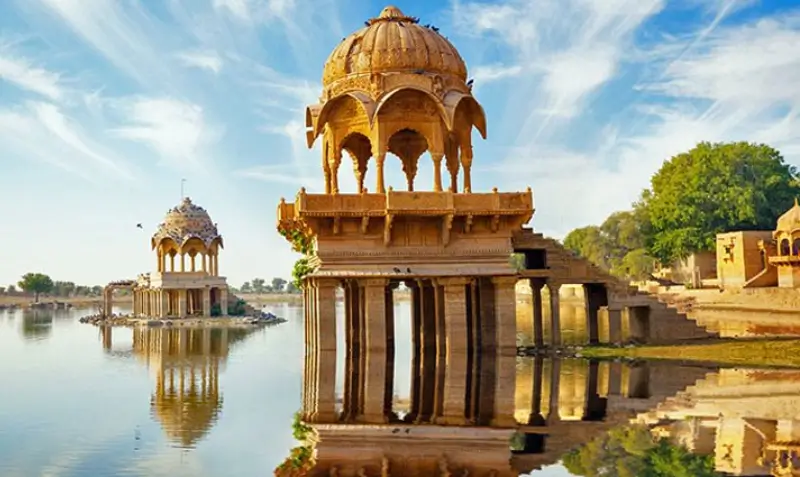
India is one of the world's most fascinating travel destinations, offering an incredible combination of ancient heritage, vibrant cities, royal palaces, spiritual landmarks, mountain landscapes, wildlife reserves, tropical beaches, and colorful festivals. Every year, millions of international visitors arrive to experience destinations such as Rajasthan, Delhi, Agra, Jaipur, Udaipur, Varanasi, Kerala, and Goa. Before beginning this unforgettable journey, obtaining the correct travel authorization is one of the most important steps.
The introduction of the India e-Visa has made international travel significantly more convenient. Instead of visiting an embassy or consulate, eligible travelers can submit their application online, upload the required documents, pay the applicable fee, and receive electronic approval before departure. The process has reduced paperwork while making short-term visits for tourism, business, and medical purposes much easier.
Although the online system is straightforward, many applications are delayed or rejected because of avoidable mistakes. Incorrect passport information, poor-quality document uploads, selecting the wrong visa category, or applying too late are among the most common reasons travelers encounter problems. These issues can disrupt flights, hotel reservations, and carefully planned itineraries.
Understanding the complete process before applying helps travelers avoid unnecessary stress. Knowing which documents are required, how long approval normally takes, how much the visa costs, and what restrictions apply ensures a smoother travel experience from the very beginning.
Whether you are planning a cultural journey through Rajasthan, visiting the Taj Mahal, enjoying a luxury tour across India, attending a business meeting, or exploring India's diverse landscapes, preparing your India e-Visa correctly is the first step toward a successful trip. This guide explains every stage of the application process, highlights practical travel advice, and points out the mistakes that experienced travelers recommend avoiding.
The India e-Visa is an electronic travel authorization issued by the Government of India for citizens of eligible countries. It allows travelers to complete the visa application online without visiting an embassy for most short-term travel purposes. Once approved, the authorization is linked electronically with the traveler's passport, making immigration procedures considerably simpler upon arrival.
Unlike a traditional visa sticker placed inside a passport, an electronic visa is issued digitally. Applicants receive an approval document by email, which should be printed and carried during travel along with the passport used during the application. Immigration authorities verify the electronic authorization after arrival at designated airports and seaports.
Several categories of Indian e-Visa are available depending on the purpose of travel. The most popular option is the Tourist e-Visa, which is intended for sightseeing, vacations, visiting family or friends, cultural experiences, yoga programs, and recreational travel. Business travelers may apply for the Business e-Visa, while patients seeking treatment can choose the Medical e-Visa. Additional categories may also be available depending on government regulations.
One of the biggest advantages of the online system is convenience. Travelers can complete the application from anywhere with internet access, eliminating embassy appointments for eligible visa types. The digital process has made India much more accessible for tourists planning holidays across destinations such as Jaipur, Jodhpur, Udaipur, Jaisalmer, and the famous Golden Triangle Tour.
It is important to understand that approval is never automatic. Every application undergoes verification, and immigration authorities reserve the right to request additional information or refuse applications that do not satisfy eligibility requirements. Providing accurate information and following official instructions significantly improves the likelihood of a smooth approval process.
Travelers should also remember that the India e-Visa has specific validity periods, permitted activities, and entry conditions. Reading these carefully before booking flights helps avoid unnecessary complications after arrival.
Avoid last-minute visa stress and common application mistakes. Prepare your documents correctly, understand the process, and begin planning your India adventure with confidence.
Chat On WhatsApp Contact UsEligibility depends primarily on nationality. Citizens of many countries are eligible to submit an online application, although the approved list may occasionally change according to government policy. Before making travel arrangements, every applicant should confirm that their nationality qualifies for the India e-Visa program.
Apart from nationality, applicants must possess a valid passport with sufficient remaining validity beyond their intended arrival date. The passport should contain adequate blank pages for immigration stamps upon entry and exit. Using the same passport throughout the application and travel process is essential because even a newly issued passport with a different number requires a fresh application.
Applicants should also have a recent passport-style photograph that meets the specified digital requirements. Clear images with a plain background reduce the likelihood of processing delays. Similarly, the passport information page should be scanned carefully so that all personal details remain fully visible.
A valid email address is necessary because all communication regarding the India e-Visa application, including approval notifications, is delivered electronically. Travelers should monitor their inbox regularly after submitting the application and also check spam folders to ensure important messages are not overlooked.
A payment method accepted by the online portal is another requirement. International debit or credit cards are commonly used for completing the application fee. Applicants should verify that international online transactions are enabled before beginning the process.
Although the online process is relatively simple, travelers should prepare accommodation details, tentative travel plans, and basic personal information before starting the application. Having everything ready allows the form to be completed accurately without unnecessary interruptions.
Families traveling together should remember that every individual, including children and infants, generally requires a separate India e-Visa. Parents should carefully complete each child's application using the child's passport information rather than copying details from another family member.
Preparing all documents carefully before beginning the online application significantly reduces errors and contributes to a faster approval experience.
Preparing documents in advance is one of the easiest ways to ensure a successful India e-Visa application. Many travelers begin filling out the online form before gathering the necessary files, only to discover that image sizes, document formats, or missing information delay the submission. Organizing everything beforehand allows the application to proceed smoothly and reduces the chance of avoidable mistakes.
The most important requirement is a valid passport. It should remain valid for the required period beyond your arrival in India and should be the same passport you intend to carry during your journey. Any mismatch between the passport used during the application and the passport presented at immigration can create serious travel complications.
A recent passport-size photograph meeting the official specifications is equally important. The photograph should be clear, well-lit, and free from shadows, filters, hats, or distracting backgrounds. Images that are blurred, cropped incorrectly, or heavily edited are among the common reasons applicants are asked to provide replacement files.
Applicants also need a scanned copy of the passport's personal information page. The scan should be high quality so that every detail, including the passport number, photograph, and machine-readable zone, remains completely visible. Poor-quality scans often delay processing because officials cannot verify identity accurately.
Most travelers should also keep travel details readily available while completing the form. This includes the expected arrival airport, intended accommodation, approximate travel dates, and return or onward travel plans. Although plans may occasionally change, providing realistic and truthful information is always recommended.
Keeping digital copies of every uploaded document and the completed application confirmation is equally valuable. These records make it easier to respond if additional information is requested and provide useful reference material before departure.
Applying for an India e-Visa is a straightforward process when every detail is entered accurately and all required documents are prepared in advance. While the application is completed online, it should never be rushed. Even a minor typing error can result in unnecessary delays or complications during immigration. Taking time to review every section before submission is one of the best ways to ensure a smooth approval process.
Begin by visiting the official Indian e-Visa application portal and selecting the visa category that matches the purpose of your journey. Choosing the correct category is extremely important because each visa type has its own conditions and permitted activities. Travelers visiting India for sightseeing, holidays, cultural experiences, photography tours, wildlife safaris, or family visits should select the Tourist e-Visa rather than a business or medical category.
The application form requires personal information exactly as it appears on your passport. Your full name, nationality, passport number, date of birth, place of birth, passport issue date, and passport expiry date should be copied carefully without abbreviations or spelling variations. Many applications are delayed simply because applicants manually type information instead of verifying it against the passport.
After completing your personal information, you will provide travel details, including your expected arrival date, intended airport or seaport of entry, accommodation details, and general travel itinerary. These details do not have to represent every minute of your trip, but they should accurately reflect your intended plans.
The next stage involves uploading the required documents. Your passport photograph should follow the official specifications, while the passport information page must be scanned clearly so every character remains readable. Images taken casually using poor lighting or excessive editing frequently fail document verification.
Once all documents have been uploaded successfully, review every answer before proceeding to payment. This final review is often overlooked, yet it is the easiest opportunity to identify typing mistakes, incorrect passport numbers, or accidental date errors before the application is submitted.
After payment is completed, applicants normally receive an acknowledgement confirming successful submission. This confirmation should be saved along with the application reference number, which can later be used to check the application status if required.
When the application is approved, the electronic travel authorization is sent by email. Although immigration authorities can verify the visa electronically, experienced international travelers strongly recommend carrying a printed copy together with the passport throughout the journey. Having both printed and digital copies provides additional security if internet access becomes unavailable during travel.
Understanding the financial and timing aspects of the India e-Visa helps travelers plan flights, accommodation, and tours more confidently. Visa fees are not identical for every applicant because the total amount depends on several factors, including nationality, visa category, validity period, and government regulations that may change over time.
Rather than assuming a standard price, applicants should always verify the applicable fee before making payment. The official payment portal calculates the correct amount during the application process. Travelers should avoid unofficial websites promising discounted visa services, as many charge unnecessary service fees or operate without authorization.
The processing time for an India e-Visa generally depends on application accuracy and seasonal demand. Applications submitted with complete information, clear supporting documents, and correct passport details are often processed more efficiently than those requiring manual clarification or document replacement.
During major holiday seasons, festival periods, or peak tourism months, authorities may experience a higher volume of applications. Travelers planning holidays in destinations such as Jaipur, Udaipur, Jodhpur, Jaisalmer, Agra, or Kerala should therefore avoid waiting until the final few days before departure. Applying well in advance provides sufficient time to resolve any unexpected issues without affecting travel plans.
Applicants frequently ask whether booking flights before receiving visa approval is advisable. While many travelers prefer securing flight prices early, purchasing fully non-refundable tickets before visa approval may involve unnecessary financial risk. Flexible reservations or refundable options provide greater peace of mind until travel authorization has been issued.
The validity period of an India e-Visa depends on the category selected during the application. Travelers should read the approval document carefully to understand how long the visa remains valid, how many entries are permitted, and the maximum duration allowed for each visit. Assuming all tourist visas have identical conditions is a common misunderstanding that can create problems during future trips.
It is equally important to remember that visa validity and permitted stay are not always the same. A visa may remain valid over a particular period while still limiting the length of each individual stay in India. Reading these conditions carefully before arrival helps visitors remain fully compliant with Indian immigration regulations.
Planning your itinerary according to the approved visa conditions ensures a relaxed journey and avoids unnecessary complications during departure or future visa applications.
Get your e-Visa preparation on track, then let our travel experts create a seamless India itinerary around your dates, destinations, hotel preferences, and travel style—so everything feels effortless from arrival to departure.
Chat On WhatsApp Contact UsAlthough the India e-Visa application process is designed to be user-friendly, a surprising number of travelers experience delays because of small but avoidable errors. Most of these mistakes have nothing to do with eligibility; instead, they occur because applicants rush through the online form, upload incorrect documents, or overlook important instructions. Spending a little extra time reviewing the application before submission can make a significant difference.
One of the most frequent mistakes is entering passport information incorrectly. Even a single incorrect letter in your name, a misplaced passport number, or an inaccurate issue or expiry date can create problems during verification. Immigration authorities compare every detail with the uploaded passport scan, and inconsistencies may result in additional verification or rejection.
Uploading poor-quality documents is another common issue. Blurred passport scans, cropped photographs, shadows covering facial features, or images edited with filters often fail the verification process. Applicants should always upload high-resolution files that clearly display all required information without distortion.
Selecting the wrong visa category is another mistake that many first-time visitors make. Travelers visiting India for holidays, sightseeing, cultural experiences, or family visits should apply for the Tourist e-Visa rather than a business or medical category. Applying under the wrong category can lead to unnecessary complications and may even require submitting a completely new application.
Another problem occurs when travelers apply too close to their departure date. While many applications are processed efficiently, unexpected delays can happen because of document verification, high application volumes, or additional security checks. Applying well before your planned departure provides sufficient time to resolve any issues without affecting flights or hotel reservations.
Applicants should also avoid submitting multiple applications for the same journey unless specifically instructed. Duplicate applications can complicate processing and may create confusion during verification. If a genuine mistake is discovered after submission, the best course of action depends on the stage of processing and official guidance.
Many travelers forget to monitor their registered email address after submitting the application. If immigration authorities request clarification or additional documentation, failing to respond promptly may delay approval. Checking both the inbox and spam folder regularly ensures that important notifications are not missed.
Finally, travelers should remember that receiving an India e-Visa does not remove the need to carry supporting travel documents. Immigration officers may request evidence of accommodation, onward travel, sufficient financial resources, or other travel-related information depending on individual circumstances. Being prepared helps create a smooth arrival experience.
Receiving your approved India e-Visa is an exciting milestone, but proper preparation before departure remains equally important. A few practical steps can make arrival in India significantly smoother and help you begin your holiday with confidence.
Before leaving for the airport, print at least one copy of your approved e-Visa approval document and also save a digital copy on your mobile phone or tablet. Although immigration systems are electronic, having a printed copy is extremely useful if airport staff or immigration officials request immediate verification.
Always travel using the same passport that was used during the visa application. If your passport has been renewed after submitting the application, you should verify whether a new visa application is required before traveling. Presenting a different passport at immigration can lead to serious complications.
Arriving passengers should keep their accommodation details, return or onward flight information, and emergency contact numbers easily accessible. Immigration officers may ask basic questions regarding the purpose of your visit, planned destinations, or expected duration of stay. Honest and consistent answers help complete the arrival process efficiently.
International travelers should also purchase comprehensive travel insurance for India before departure. While insurance is not always mandatory for obtaining an e-Visa, it provides valuable protection against medical emergencies, trip interruptions, lost baggage, and unexpected travel expenses. Choosing a policy that includes emergency medical evacuation and hospitalization is particularly recommended for long-distance travelers.
Currency planning is another important consideration. While international cards are accepted in many hotels, shopping centers, and restaurants, carrying a reasonable amount of local currency can be useful for smaller businesses, local markets, and transportation in certain regions. Travelers should use authorized currency exchange services or bank-operated facilities whenever possible.
Those planning an extensive journey across destinations such as Jaipur, Udaipur, Jodhpur, Jaisalmer, Delhi, and Agra often benefit from arranging reliable private transportation in advance. Booking with an experienced tour operator reduces logistical challenges, provides knowledgeable local drivers, and allows visitors to enjoy India's cultural heritage without worrying about unfamiliar road conditions or language barriers.
Visitors should also respect local customs, dress appropriately when entering religious sites, remain hydrated during warmer months, and keep copies of important travel documents stored separately from the originals. These simple precautions contribute to a safe and enjoyable travel experience.
Careful preparation before departure, accurate visa documentation, and responsible travel planning allow international visitors to focus on what truly matters—discovering India's remarkable history, architecture, hospitality, cuisine, wildlife, and unforgettable cultural experiences.
No. The India e-Visa is available only to citizens of eligible countries. Travelers should always verify their eligibility through the official government portal before submitting an application.
Applying well in advance of your travel date is recommended. Early application provides enough time to resolve any document or verification issues without affecting your travel plans.
The possibility of extension depends on the visa category and prevailing immigration regulations. Travelers should never assume that an extension will be available and should always follow the conditions stated on their approved visa.
Yes. Every traveler, including infants and children, generally requires an individual India e-Visa linked to their own passport.
While it may not always be mandatory, comprehensive travel insurance is strongly recommended because it provides financial protection against medical emergencies, cancellations, and unexpected travel disruptions.
If you discover an error after submission, check the official guidance immediately. Depending on the type of mistake and the application status, you may need to submit a new application.
No. Travelers should enter through the designated airports or seaports authorized for India e-Visa holders and follow the official entry guidelines.
Yes. Carrying both printed and digital copies of the approval document is recommended even though immigration authorities can verify the visa electronically.
Processing time varies depending on passenger volume, airport procedures, and document verification. Having all documents readily available generally speeds up the process.
Booking a customized itinerary with a trusted travel company allows visitors to combine destinations such as Delhi, Agra, Jaipur, Udaipur, Jodhpur, and Jaisalmer while enjoying professional transportation, experienced drivers, carefully selected accommodations, and personalized sightseeing throughout the journey.