When travelers ask how hot is Rajasthan in May and June, the answer requires more than simply stating numbers. Rajasthan in peak summer is intense, dry and demanding. Temperatures regularly rise between 40°C to 48°C depending on the region. In western districts such as Jaisalmer and Barmer, heat waves can push temperatures even higher during afternoon hours.
Unlike coastal humidity, Rajasthan experiences dry desert heat. The air lacks moisture, which means sweat evaporates quickly but dehydration risk increases rapidly. The sensation of heat is sharp and penetrating rather than sticky. For first-time visitors unfamiliar with desert climates, this difference is important.
The Rajasthan summer temperature varies across cities. Jaipur and Jodhpur experience strong sun exposure with limited cloud cover. Udaipur may feel marginally more comfortable due to surrounding hills and lakes, but midday heat remains significant. Jaisalmer in May often records some of the highest readings due to its deep desert location.
Heat intensity peaks between 12 PM and 4 PM. During these hours, streets appear quieter, markets slow down and outdoor exploration becomes physically demanding. However, early mornings and late evenings remain manageable.
Understanding this climate reality helps travelers decide whether summer travel aligns with their comfort level.
Planning a trip during May or June? With the right itinerary, early morning sightseeing, and comfortable travel options, you can still enjoy Rajasthan even in the heat. We help you plan a smooth and relaxing summer journey.
Chat On WhatsApp Contact UsTo fully understand Rajasthan weather in May and June, comparing cities individually is essential.
Jaipur typically records temperatures between 42°C and 45°C during peak afternoons. The Pink City’s sandstone structures absorb heat throughout the day and radiate warmth in the evening. Sightseeing at Amber Fort under direct sun can feel exhausting without proper hydration.
Jodhpur experiences similar conditions. Its desert proximity amplifies heat intensity. The blue houses may look photogenic, but walking uphill to Mehrangarh Fort during midday requires stamina.
Jaisalmer stands at the extreme end of the spectrum. The Jaisalmer temperature in June can approach 46°C or more. The golden sandstone fort becomes intensely warm under sunlight. Desert safaris during daytime are not recommended. Most activities shift toward sunset hours.
Udaipur remains slightly moderated by lake presence and hilltop breezes. While temperatures still exceed 40°C, evenings may feel more pleasant compared to western desert districts.
Understanding this variation helps travelers plan city sequencing strategically.
Despite extreme heat, travel during summer is possible with planning. The key lies in adjusting expectations and timing. Early morning sightseeing between 6 AM and 10 AM allows fort visits before temperature peaks. Afternoon rest in air-conditioned hotels becomes essential rather than optional.
Many heritage hotels and luxury properties offer strong cooling systems, shaded courtyards and swimming pools. This makes Rajasthan travel in May manageable for travelers comfortable with heat.
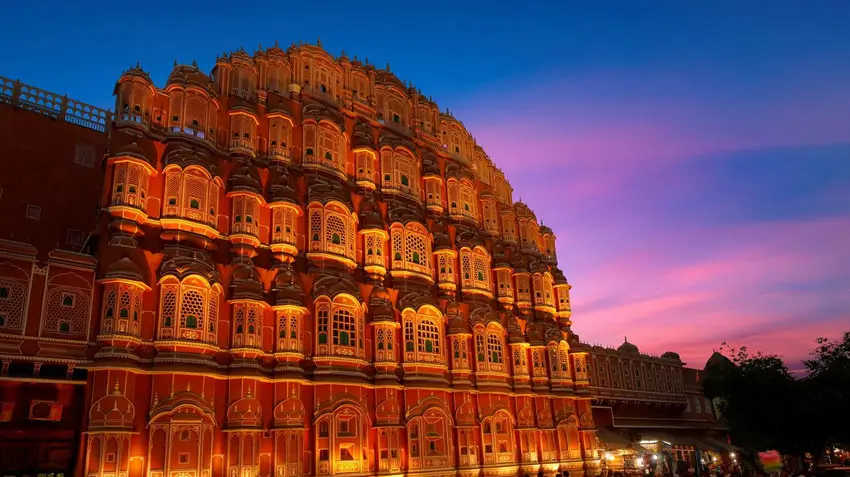
Another advantage of summer travel is reduced tourist crowd. Popular monuments like City Palace or Hawa Mahal are less congested. Hotel tariffs also tend to be lower compared to winter peak season.
However, travelers with health sensitivities, elderly visitors or those uncomfortable with high temperatures may find summer challenging. Heat exhaustion risk must be considered seriously.
Travel in summer requires mental preparedness. It rewards with fewer crowds and quieter experiences but demands discipline.
One of the biggest questions travelers ask is whether Jaisalmer desert safari in summer is advisable. The answer depends entirely on timing. Daytime dune exploration under harsh sun is not practical. However, sunset camel rides remain viable because temperatures drop gradually after 5 PM.
Overnight desert camps operate even during summer months, but luxury camps with proper cooling and ventilation should be prioritized. Evenings in the desert feel significantly more comfortable compared to midday heat.
The desert sky during summer often remains crystal clear, making stargazing exceptional. However, hydration and protective clothing remain essential.
If planning desert experiences during summer, ensure proper vehicle transfer, avoid afternoon exposure and prioritize sunset scheduling.
Even during the hotter months, Rajasthan can be explored comfortably with the right planning. Choose suitable destinations, travel at the right time of day, and enjoy a well-managed trip without any hassle.
Chat On WhatsApp Contact UsSurviving Rajasthan extreme heat requires preparation. Constant hydration is critical. Bottled water consumption should increase significantly compared to cooler seasons. Electrolyte supplements can help maintain energy levels.
Light cotton clothing, hats and sunglasses reduce sun exposure. Sunscreen is necessary due to strong UV intensity. Scheduling indoor museum visits during afternoon reduces direct heat contact.
Travelers must listen to their body. Dizziness, headache or fatigue should not be ignored. Taking rest breaks between sightseeing locations is crucial.
Hotels with air-conditioning are non-negotiable during peak summer. Budget accommodations without cooling facilities may compromise comfort significantly.
Planning responsibly transforms a potentially harsh experience into a manageable one.
Travelers considering Rajasthan during summer months can seek structured planning support from Royal Rajasthan Travels. For curated Rajasthan summer itinerary planning, hotel recommendations with strong cooling facilities and early morning sightseeing scheduling, contact Vikas Khabrani at +91-9414046260 or email info.royalrajasthan@gmail.com for detailed guidance.
Temperatures often reach between 42°C and 48°C.
Both months are extremely hot; heat waves may intensify in June.
Yes, with hydration, proper timing and air-conditioned accommodation.
Jaisalmer and Barmer typically record the highest temperatures.
Yes, but early morning visits are recommended.
Yes, sunset safaris are preferable over daytime activities.
Yes, many hotels offer discounted summer rates.
Slightly, due to lakes and surrounding hills.
Yes, most mid-range and luxury hotels offer AC rooms.
Heat-sensitive travelers should consult carefully before planning.