Across the global Indian diaspora, there is a noticeable shift in travel priorities. Families who once traveled alone or as couples are now organizing journeys that include parents and grandparents. For many NRIs, bringing elders back to India is not simply a holiday; it is an emotional reconnection. The Golden Triangle tour with elderly parents has emerged as one of the most requested formats because it balances heritage depth with manageable distances.
Delhi, Agra, and Jaipur offer iconic architecture, accessible airports, and established hospitality infrastructure. The circuit avoids long domestic flights and excessive road hours, making it suitable for seniors who may struggle with fatigue or mobility constraints.
However, designing a senior-friendly Golden Triangle itinerary requires more than adjusting hotel categories. It demands thoughtful pacing, wheelchair planning, medical foresight, and strategic timing. Elderly travelers experience India differently. Heat, crowds, uneven pavements, and security lines affect them more significantly.
When structured properly, the Golden Triangle becomes deeply fulfilling rather than overwhelming. It allows grandparents to witness the Taj Mahal, revisit ancestral culture, and share stories with younger generations in a setting that feels manageable rather than chaotic.
Multi-generational travel succeeds when mobility and comfort are prioritized without diluting cultural immersion.
The most common mistake in planning a Golden Triangle tour for seniors is overpacking the schedule. Attempting to replicate fast-paced itineraries designed for younger travelers often leads to exhaustion. Elderly guests benefit from structured rest periods and shorter sightseeing windows.
In Delhi, instead of attempting a full-day monument marathon, visits can be divided into half-day segments. Qutub Minar or Humayun’s Tomb can be paired with a relaxed lunch and afternoon rest at the hotel. Exploring Lutyens’ Delhi by car reduces walking strain while still offering architectural appreciation.
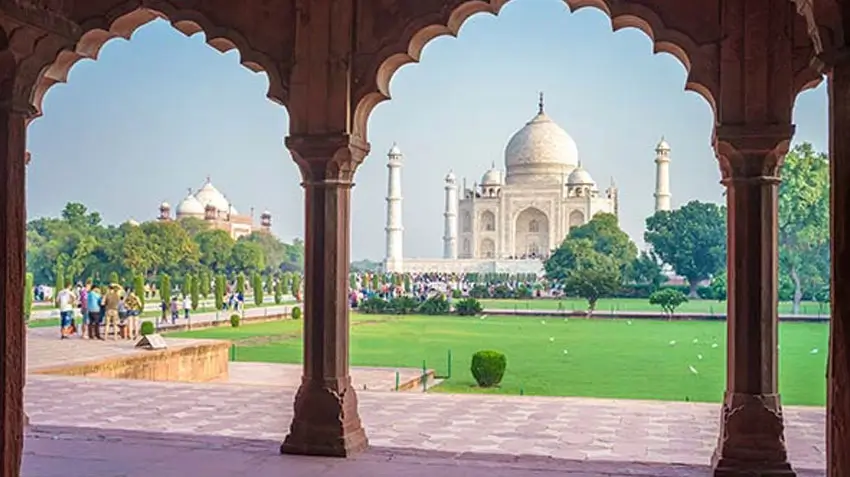
Agra requires particular care. The Taj Mahal involves security checks and walking through expansive grounds. Early morning visits minimize crowd density and heat exposure. Arranging battery-operated carts or wheelchair assistance enhances comfort significantly.
Jaipur’s Amber Fort can be challenging due to elevation. Alternatives include jeep access and selective exploration of flatter palace sections. City Palace and Jantar Mantar offer more manageable terrain.
Thoughtful pacing transforms sightseeing into shared experience rather than physical challenge.
Traveling with grandparents? We design easy-paced itineraries, comfortable transport, and well-planned stays to ensure a smooth and enjoyable journey for every member of your family.
Chat On WhatsApp Contact UsWhile India’s accessibility infrastructure continues to improve, it remains inconsistent. Planning a wheelchair accessible Golden Triangle tour requires detailed local coordination.
The Taj Mahal provides wheelchair availability and ramp access at designated gates, though surfaces can vary. Major monuments in Delhi increasingly offer ramps, yet not all pathways are smooth.
Hotel selection plays a decisive role. International chains and high-end heritage properties typically provide elevators, accessible bathrooms, and ground-floor options.
Confirming room layouts in advance prevents unpleasant surprises.
Private vehicles equipped with easy-entry steps reduce strain during transfers. Drivers trained in assisting elderly passengers add reassurance.
Mobility planning should not rely on assumption. Direct verification ensures seniors feel secure and respected.
Senior travelers often manage medications, blood pressure, diabetes, or joint concerns. A well-planned Golden Triangle itinerary for grandparents incorporates medical foresight.
Carrying prescriptions, maintaining hydration, and scheduling midday rest reduce stress. Hotels located near reputable hospitals provide added reassurance.
Travel insurance covering medical contingencies is essential. Coordinating with local doctors in advance, if necessary, adds an additional safety layer.
India’s climate varies seasonally. Cooler months reduce risk of heat exhaustion. Avoiding peak summer ensures more comfortable walking conditions.
Preventive planning does not imply risk. It creates confidence. When grandparents feel physically secure, emotional enjoyment increases significantly.
Accommodation quality shapes the overall experience for senior travelers. Properties with spacious rooms, elevators, quiet corridors, and accessible dining areas enhance comfort.
In Delhi, luxury hotels near central districts reduce transit times. In Agra, river-facing hotels minimize road congestion and offer serene environments after monument visits. In Jaipur, heritage hotels with manageable layouts and attentive service create warmth without overwhelming scale.
Room location matters. Ground or lower floors minimize elevator dependency. Proximity to dining areas reduces walking strain.
Comfortable bedding, temperature control, and on-call staff responsiveness contribute to peace of mind.
For grandparents revisiting India after decades abroad, hotel ambiance also triggers nostalgia. Properties blending heritage aesthetics with modern convenience resonate emotionally.
For many elderly NRIs, visiting the Taj Mahal carries layered meaning. It represents national pride, architectural genius, and often childhood memory. Standing before the monument alongside grandchildren creates intergenerational storytelling moments.
The Taj Mahal’s symmetry and serenity lend themselves to quiet appreciation rather than hurried photography. Arranging seating breaks within the complex allows seniors to absorb the setting without physical stress.
Professional photographers can capture family portraits, preserving memory in a dignified manner.
Moments like these justify the effort of planning a mobility-focused Golden Triangle tour.
Reliable, comfortable transport defines senior-friendly travel. Air-conditioned SUVs with adequate legroom reduce fatigue during intercity drives. The Delhi–Agra and Agra–Jaipur stretches, while manageable, require attention to rest stops and refreshment breaks.
Professional drivers familiar with assisting elderly passengers enhance safety. Smooth driving habits and punctual arrival times minimize stress.
Avoiding unnecessary detours preserves energy for meaningful experiences rather than road fatigue.
Transportation is not merely logistics. It influences mood and stamina.
Enjoy a relaxed and well-organized trip designed with comfort in mind. From easy travel routes to thoughtful planning, we ensure a smooth experience so you can spend quality time with your loved ones.
Chat On WhatsApp Contact UsCultural immersion need not involve strenuous walking. Curated experiences such as private sit-down storytelling sessions, traditional music evenings, or craft demonstrations provide engagement without mobility challenges.
In Jaipur, block-printing workshops conducted within hotel premises allow interaction without navigating crowded bazaars. In Delhi, heritage talks arranged in quiet settings replace long walking tours.
These alternatives preserve cultural richness while respecting physical limitations.
Selecting the appropriate season significantly influences comfort. Cooler months offer manageable temperatures for elderly visitors. Early morning monument visits reduce crowd exposure.
Avoiding peak festival congestion ensures smoother navigation through heritage sites.
Careful calendar alignment protects seniors from unnecessary discomfort.
When grandparents sense that their comfort has been prioritized, their emotional engagement deepens. They feel valued rather than accommodated reluctantly.
Multi-generational travel often carries underlying anxieties about mobility or inconvenience. Addressing these proactively fosters relaxation.
Children witnessing their elders treated with care internalize respect and empathy.
A well-designed Golden Triangle tour with senior parents becomes more than sightseeing. It becomes shared gratitude.
Yes, with proper pacing and accessibility planning.
Yes, though advance confirmation is recommended.
Cooler months offer greater comfort.
Yes, with private vehicles and rest breaks.
Yes, hotels cater to medical and religious preferences.
Major cities offer reputable hospitals.
Half-day segments with rest periods are ideal.
Many luxury properties provide elevators and accessible rooms.
Strongly recommended for senior travelers.
Yes, fully mobility-focused adjustments are possible.