The Golden Triangle tour from Delhi Airport is one of the most requested travel formats among international visitors arriving in India. Many travelers land at Indira Gandhi International Airport and prefer to begin their journey immediately rather than spending an additional night in Delhi before moving forward. A direct start eliminates unnecessary backtracking and makes efficient use of arrival time.
The Golden Triangle connects three iconic destinations: Delhi, Agra and Jaipur. Together they represent the political, Mughal and Rajput heritage of North India. Beginning the journey directly from the airport allows travelers to design a seamless route based on flight arrival timing. Those landing early morning can proceed toward Agra immediately, while afternoon arrivals may prefer checking into a Delhi hotel and starting sightseeing next morning.
One of the major advantages of a Delhi Airport Golden Triangle pickup is logistical simplicity. Airport transfer is pre-arranged, luggage is directly loaded into the vehicle, and the journey begins without city transfer confusion. This format works particularly well for first-time visitors who want a smooth start.
Travelers must consider arrival time, jet lag and road distance while planning the route. Agra lies approximately three to four hours from Delhi via Yamuna Expressway. Jaipur is about five to six hours by road. Efficient sequencing ensures minimal fatigue during the initial travel day.
Starting the Golden Triangle directly from the airport creates a streamlined beginning to India’s most iconic travel circuit.
Arriving in Delhi? Begin your journey seamlessly with a private pickup from the airport and explore Delhi, Agra, and Jaipur in comfort. We offer well-planned itineraries, reliable drivers, and a smooth travel experience from the moment you land.
Chat On WhatsApp Contact UsFor travelers arriving during early hours, driving directly from Delhi Airport to Agra is often the smartest decision. The Delhi to Agra distance from airport is approximately 230 kilometers. Using Yamuna Expressway ensures smooth and relatively fast travel.
This strategy saves one hotel shift and positions travelers closer to the Taj Mahal for a next-morning sunrise visit. After a long international flight, many guests prefer resting in Agra rather than navigating Delhi traffic.
The Taj Mahal experience becomes more impactful when visited early morning. Planning airport arrival and direct transfer enables optimal sightseeing timing. Additionally, Agra Fort and Mehtab Bagh can be comfortably explored after hotel check-in.
Choosing this route requires a reliable chauffeur-driven vehicle waiting at arrivals. Professional coordination ensures no waiting delays. A well-structured Golden Triangle tour itinerary from Delhi Airport accounts for flight delays and immigration time before departure.
Direct airport-to-Agra transfer is efficient, especially for travelers who value time management and want to maximize sightseeing days within limited vacation duration.
Some travelers prefer exploring Delhi first before heading toward Agra or Jaipur. In this format, airport pickup is followed by hotel check-in and local sightseeing either same day or next morning.
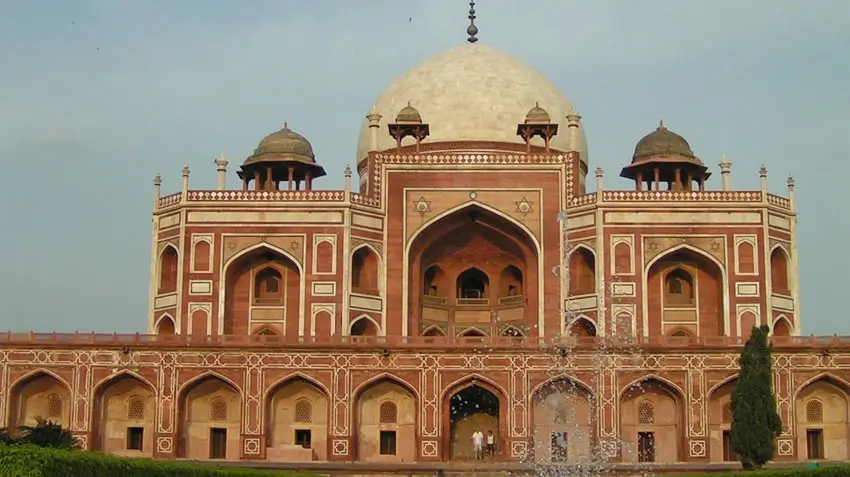
Delhi represents multiple historical layers: Mughal monuments, colonial architecture and modern government districts. Visiting India Gate, Humayun’s Tomb, Qutub Minar and Old Delhi’s Chandni Chowk adds strong historical context before proceeding to other Golden Triangle cities.
The advantage of beginning with Delhi sightseeing lies in gradual acclimatization. After long-haul flights, easing into the journey with city exploration may feel less demanding than immediate intercity driving.
Within a Golden Triangle direct start guide, flexibility remains key. The arrival time determines whether Delhi becomes Day One sightseeing or a transit halt before moving onward.
After completing Agra sightseeing, the route typically continues to Jaipur. The drive between Agra and Jaipur covers approximately 240 kilometers and takes around four to five hours. Many itineraries include a stop at Fatehpur Sikri, a UNESCO-listed Mughal city built in red sandstone.
Incorporating Fatehpur Sikri enhances historical continuity between Agra and Jaipur. Travelers witness Mughal architectural evolution before entering Rajput territory.
The road infrastructure is generally smooth, though traffic near Bharatpur can vary. Planning adequate rest stops ensures comfort.
This sequencing forms the heart of the Golden Triangle road trip from Delhi Airport, connecting monuments with minimal redundancy.
Skip the hassle after landing and start your Golden Triangle tour comfortably with a pre-arranged pickup. Enjoy a smooth journey across Delhi, Agra, and Jaipur with a private car, experienced driver, and a well-organized travel plan.
Chat On WhatsApp Contact UsJaipur typically marks the final segment of the Golden Triangle. Amber Fort, City Palace and Hawa Mahal create architectural contrast compared to Mughal monuments seen earlier.
After Jaipur exploration, travelers return to Delhi either for departure flight or extended stay. The Jaipur to Delhi drive takes approximately five to six hours via NH48. Scheduling departure flights with buffer time is essential.
A properly organized Golden Triangle tour with airport pickup ensures seamless closure without last-minute logistical stress.
The minimum recommended duration is five to six days. However, a more relaxed version extends to seven or eight days, allowing deeper exploration and optional additions such as Ranthambore or Abhaneri.
Shorter versions compress sightseeing and increase daily travel time. A balanced schedule ensures comfort while maintaining coverage of major attractions.
Travelers who want personalized Golden Triangle planning with direct airport coordination, hotel recommendations and chauffeur-driven vehicles can connect with Royal Rajasthan Travels. For customized Golden Triangle tour arrangements or immediate
airport pickup scheduling, contact Vikas Khabrani at +91-9414046260 or email info.royalrajasthan@gmail.com. Professional planning guarantees smooth arrival handling and optimized travel sequencing.
Yes, direct pickup and immediate transfer are common arrangements.
Yes, early arrivals often proceed directly to Agra for efficiency.
Five to seven days allow comfortable sightseeing.
Yes, reputable operators include airport pickup.
Yes, route can be customized based on preference.
Daytime travel is generally preferred for safety and comfort.
Private vehicles offer flexibility and seamless transfers.
Yes, Ranthambore is a common extension option.
Arrival time significantly influences first-day planning.
Yes, especially during high travel season.