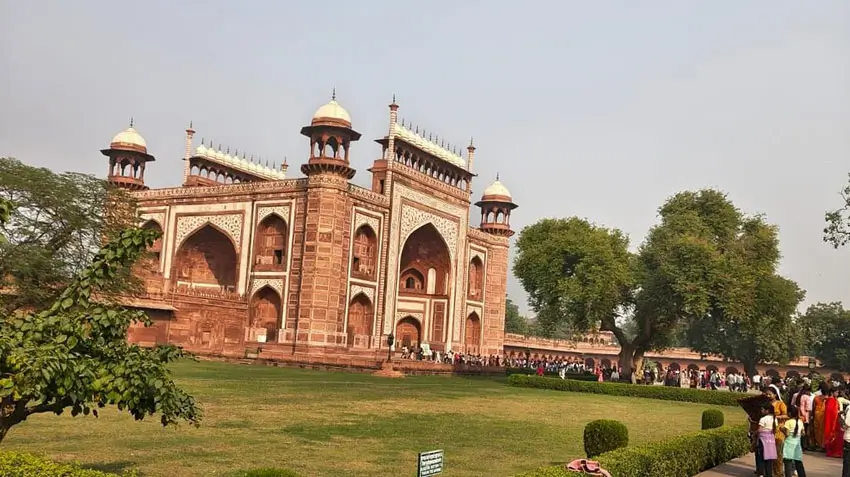
When travelers begin planning their India journey, one of the most common dilemmas is choosing between the Golden Triangle tour and a more extensive Rajasthan tour itinerary. Both routes are popular, both include iconic landmarks, and both offer strong cultural experiences. However, they differ significantly in scope, depth, travel rhythm and thematic focus.
The Golden Triangle circuit connects Delhi, Agra and Jaipur. It is compact, efficient and ideal for first-time visitors with limited time. Within a few days, travelers witness the Taj Mahal, Mughal architecture in Delhi, and Rajput grandeur in Jaipur. The route is geographically tight, with relatively short driving distances between cities.
In contrast, a complete Rajasthan tour expands far beyond Jaipur. It includes desert cities like Jaisalmer, blue-washed towns like Jodhpur, romantic lake cities like Udaipur and wildlife zones such as Ranthambore. Rajasthan offers a broader cultural canvas and greater geographical variation.
The decision between these two travel formats depends on how much time you have, how deeply you wish to explore and whether you prioritize efficiency or immersion. Understanding these structural differences is the first step toward making the right choice.
The Golden Triangle itinerary is designed for speed and impact. Delhi to Agra takes approximately three to four hours by expressway. Agra to Jaipur requires four to five hours. Jaipur to Delhi is roughly five to six hours. The total circuit can comfortably fit within five to six days without feeling overly rushed.
Because of its compact nature, the Golden Triangle suits business travelers, short vacationers or those combining India with other Asian destinations. The travel pace remains dynamic but manageable.
On the other hand, a Rajasthan road trip covers much larger distances. Jaipur to Jodhpur takes approximately six hours. Jodhpur to Jaisalmer can take five to six hours. Udaipur and Ranthambore add additional driving segments. A meaningful Rajasthan journey requires at least ten to fourteen days to avoid exhaustion.
The extended route provides deeper cultural immersion but demands greater time commitment. Travelers must be comfortable with longer intercity drives.
If your schedule is limited, Golden Triangle offers concentrated highlights. If you prefer a slower, expansive exploration, Rajasthan delivers richer variation.
Combine India’s iconic Golden Triangle with the rich culture of Rajasthan. Visit Delhi, Agra, Jaipur, and extend your journey to royal cities, desert landscapes, and heritage experiences with a well-planned itinerary.
Chat On WhatsApp Contact UsThe Golden Triangle tour provides exposure to Mughal architecture, colonial history and Rajput palaces within a short span. The Taj Mahal alone justifies the route’s global popularity. Delhi adds political and historical context, while Jaipur introduces colorful heritage.
However, Rajasthan beyond Jaipur reveals an entirely different narrative. The Rajasthan heritage tour includes massive hilltop forts like Mehrangarh, golden desert fortresses in Jaisalmer, intricate havelis in Shekhawati and serene lakeside palaces in Udaipur. The architectural diversity increases dramatically.
Rajasthan also introduces desert ecology, tribal communities, rural crafts and wildlife safaris. The storytelling expands from imperial monuments to regional identities.
For travelers seeking concentrated iconography, Golden Triangle satisfies expectations quickly. For those wanting layered storytelling and deeper cultural nuance, Rajasthan offers far greater scope.
Visually, the Golden Triangle remains largely urban and semi-urban. While beautiful, its landscape is less varied compared to Rajasthan’s geographical range.
A Rajasthan travel circuit introduces sand dunes, granite hills, wildlife forests, lakes, stepwells and rural villages. The environmental transitions between cities create visual diversity that keeps long journeys engaging.
Sunsets over the Thar Desert, leopard sightings in Jawai, boat rides on Lake Pichola and early morning safaris in Ranthambore offer experiential depth beyond monument visits.
If photography and landscape variation are priorities, Rajasthan provides broader visual storytelling opportunities.
The Golden Triangle India tour is ideal for first-time visitors who want to experience India’s most recognizable monuments within one week. It suits couples, business travelers and short holiday planners.
The Rajasthan extended tour appeals to cultural enthusiasts, photographers, slow travelers and repeat visitors who want to move beyond iconic sites into regional depth.
Families with children may find Golden Triangle easier to manage due to shorter distances. Adventure-oriented travelers often prefer Rajasthan for desert camps and wildlife experiences.
Choosing the right itinerary depends on your time availability, energy level and curiosity for deeper exploration.
Discover a perfect blend of history, culture, and royal heritage with an extended Golden Triangle tour. Travel beyond the iconic cities and explore the vibrant charm of Rajasthan with a personalized and comfortable journey.
Chat On WhatsApp Contact UsGolden Triangle tours are generally more budget-friendly due to shorter duration and fewer intercity transfers. Accommodation and transport expenses remain controlled within compact geography.
Rajasthan tours involve more travel days, longer distances and often premium heritage properties. Desert camps and wildlife safaris add additional cost layers.
However, Rajasthan offers greater experiential return for those willing to invest in time and budget.
Travelers uncertain about choosing between a Golden Triangle vs Rajasthan tour can consult Royal Rajasthan Travels for personalized route comparison and tailored planning. Whether you seek a compact cultural circuit or an expansive desert and heritage
journey, expert guidance ensures clarity. For professional itinerary consultation, connect with Vikas Khabrani at +91-9414046260 or email info.royalrajasthan@gmail.com for customized travel planning assistance.
Yes, it covers major highlights within a short duration.
Rajasthan offers deeper cultural immersion but requires more time.
Five to seven days are usually sufficient.
Ten to fourteen days allow comfortable exploration.
Golden Triangle is generally less expensive.
No, Taj Mahal is part of the Golden Triangle route.
Yes, it includes Ranthambore and other safari regions.
Yes, many travelers combine Golden Triangle with extended Rajasthan.
Rajasthan offers greater landscape and architectural diversity.
Yes, private vehicles provide flexibility and comfort.