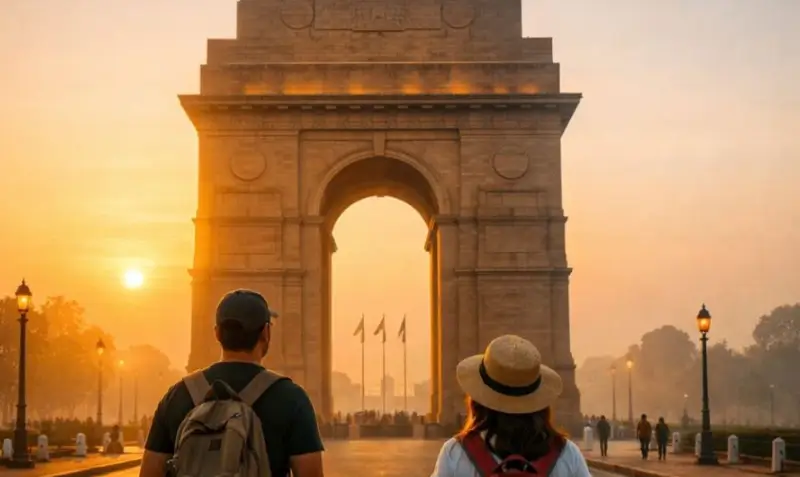
Delhi is much more than India's capital city. It is a fascinating destination where centuries of history meet modern urban life, creating an extraordinary experience for travelers from around the world. Ancient forts stand alongside contemporary skyscrapers, peaceful gardens complement lively markets, and magnificent Mughal monuments exist only minutes away from vibrant shopping districts and stylish cafés. For many international visitors, Delhi is the gateway to India and the starting point for unforgettable journeys through destinations such as Agra, Jaipur, Udaipur, and the royal state of Rajasthan.
One of Delhi's greatest strengths is its diversity. Every neighborhood tells a different story, reflecting the city's long and remarkable history. Travelers can admire UNESCO World Heritage Sites, explore centuries-old mosques and temples, visit impressive museums, experience traditional street markets, and enjoy modern entertainment—all within the same day. Whether you are interested in architecture, photography, local cuisine, shopping, spirituality, or history, Delhi offers experiences suitable for every type of visitor.
Many travelers underestimate the size of the city and attempt to visit too many attractions within a limited timeframe. While Delhi has countless places worth exploring, careful planning makes sightseeing more enjoyable and far less tiring. Organizing attractions according to location helps reduce travel time while allowing visitors to appreciate each destination rather than rushing from one monument to another.
The amount of time available also influences the ideal itinerary. Some visitors spend only a single day before continuing toward the Golden Triangle Tour, while others remain for several days to experience both Old Delhi and New Delhi in greater detail. Fortunately, the city's excellent road network and modern metro system make traveling between major attractions relatively convenient.
This guide explains how to experience Delhi efficiently, whether you have one, two, or three days available. Along the way, you will discover historic landmarks, cultural attractions, shopping districts, gardens, museums, religious sites, and practical travel advice that helps create a memorable visit to one of India's most fascinating cities.
Whether you have one day or three, a thoughtfully planned Delhi itinerary lets you experience its Mughal heritage, modern landmarks, lively markets, local flavours, and hidden cultural corners at a comfortable pace.
Chat On WhatsApp Contact UsA single day in Delhi may seem short, but with thoughtful planning it is possible to experience many of the city's most iconic landmarks. The key is to begin early and focus on attractions located within the same general areas instead of crossing the city repeatedly.
The day often begins at India Gate, one of Delhi's most recognizable landmarks. Surrounded by spacious gardens and broad avenues, this impressive war memorial provides an excellent introduction to New Delhi's elegant architecture. Morning visits offer pleasant temperatures and fewer crowds, making it an ideal starting point for sightseeing.
From there, many travelers continue to Rashtrapati Bhavan, the official residence of the President of India. Although interior access is limited on many occasions, the magnificent architecture and ceremonial boulevard surrounding the complex provide excellent opportunities for photography.
A visit to Humayun's Tomb introduces travelers to one of the finest examples of Mughal architecture. This UNESCO World Heritage Site is often regarded as the architectural inspiration for the Taj Mahal, featuring symmetrical gardens, impressive gateways, and beautifully restored monuments surrounded by peaceful landscapes.
The journey then continues toward Qutub Minar, another UNESCO World Heritage Site and one of Delhi's oldest surviving monuments. The soaring stone tower, ancient mosque, and archaeological remains within the complex provide valuable insight into the city's early Islamic history.
During the afternoon, visitors frequently explore Lotus Temple, renowned for its striking modern architecture and tranquil atmosphere. The beautifully landscaped gardens surrounding the temple create a peaceful contrast to the busy streets of the capital.
The day can conclude at Connaught Place, one of Delhi's most popular commercial districts. Elegant colonial architecture, international restaurants, cafés, local shops, bookstores, and lively public spaces make it an excellent location for dinner, shopping, and experiencing Delhi's contemporary lifestyle.
Although a single day cannot reveal every aspect of Delhi, this itinerary offers a balanced introduction to the city's remarkable combination of history, culture, architecture, and modern life.
With two full days available, travelers gain the opportunity to experience both New Delhi's grand boulevards and the fascinating heritage of Old Delhi. The second day introduces visitors to the city's oldest neighborhoods, where narrow streets, centuries-old monuments, colorful markets, and authentic local culture create a completely different atmosphere.
A morning visit to Red Fort provides an ideal starting point. This UNESCO World Heritage Site served as the principal residence of Mughal emperors for generations and remains one of India's most significant historical landmarks. Massive sandstone walls, royal halls, museums, and beautifully planned courtyards allow visitors to understand the grandeur of the Mughal Empire.
Only a short distance away stands Jama Masjid, one of the largest mosques in India. Its magnificent courtyard, elegant domes, towering minarets, and detailed marble work attract visitors from around the world. Those who climb the southern minaret are rewarded with panoramic views across the rooftops of Old Delhi.
The nearby Chandni Chowk market offers one of Delhi's most vibrant cultural experiences. Walking through its bustling lanes reveals traditional sweet shops, spice markets, jewelry stores, textile merchants, wedding boutiques, and countless examples of daily life that have changed remarkably little over generations. Visitors interested in authentic Indian cuisine often enjoy sampling famous local dishes prepared by family-owned restaurants that have served customers for decades.
Another worthwhile stop is Raj Ghat, the peaceful memorial dedicated to Mahatma Gandhi. Beautiful gardens and a calm atmosphere provide a reflective pause after the energy of Old Delhi's crowded streets.
If time allows, travelers may also visit National Museum, Agrasen Ki Baoli, or the modern shopping districts surrounding Khan Market, depending on personal interests. By dividing New Delhi and Old Delhi across two separate days, visitors experience the city's extraordinary diversity while maintaining a comfortable sightseeing pace.
A third day in Delhi allows travelers to move beyond the city's most famous landmarks and discover attractions that reveal its artistic, cultural, and contemporary character. Instead of rushing between monuments, visitors can enjoy a slower pace while exploring museums, gardens, shopping districts, and neighborhoods that are often overlooked by first-time tourists.
Begin the morning with a visit to Akshardham Temple, one of the largest and most impressive Hindu temple complexes in India. The beautifully carved sandstone and marble architecture, landscaped gardens, exhibitions, and peaceful surroundings make it one of Delhi's most admired attractions. Visitors should allow several hours to appreciate the scale and craftsmanship of the complex while respecting its security regulations and photography policies.
Art lovers may continue to the National Gallery of Modern Art, where an extensive collection of paintings, sculptures, and contemporary Indian artwork provides insight into the country's creative heritage. Those interested in history may instead prefer the National Museum, home to remarkable collections ranging from the ancient Indus Valley Civilization to royal artifacts, textiles, manuscripts, and decorative arts.
During the afternoon, travelers often enjoy visiting Lodhi Garden, a beautifully maintained public park featuring historic tombs, walking paths, flowering trees, and peaceful green spaces. The garden provides a refreshing contrast to Delhi's busy streets and is popular among both visitors and local residents seeking relaxation.
Shopping enthusiasts may spend the remainder of the day exploring Khan Market, Dilli Haat, or Select Citywalk Mall, depending on their interests. Dilli Haat is particularly popular for handcrafted textiles, traditional artwork, jewelry, pottery, and regional cuisine representing different parts of India. It provides an excellent opportunity to purchase authentic souvenirs while supporting local artisans.
Travelers with additional time may also visit Hauz Khas Village, where historic ruins coexist with modern cafés, art galleries, designer boutiques, and lakeside walking areas. This unique neighborhood combines Delhi's historical heritage with its contemporary cultural scene, making it especially appealing to younger travelers and photographers.
By spending three days in Delhi, visitors experience a balanced combination of Mughal history, colonial architecture, modern landmarks, local culture, shopping, cuisine, spirituality, and green spaces. This slower pace allows travelers to appreciate the city's diversity without feeling overwhelmed by its size.
Go beyond the famous monuments with Akshardham, museums, Lodhi Garden, Dilli Haat, Khan Market and Hauz Khas—perfect for travellers who want to experience Delhi’s art, culture, shopping and contemporary side.
Chat On WhatsApp Contact UsPlanning transportation carefully can significantly improve the sightseeing experience in Delhi. The city is large, and attractions are spread across different districts, making efficient travel arrangements essential for maximizing your time.
The Delhi Metro is one of the most convenient ways to travel between major tourist attractions. It is affordable, clean, air-conditioned, and connects many important landmarks including Qutub Minar, Chandni Chowk, Connaught Place, and Rajiv Chowk. Purchasing a rechargeable metro card can save both time and money for visitors planning multiple journeys.
For travelers seeking greater flexibility, hiring a private car with an experienced driver is an excellent option. This is particularly beneficial for families, senior travelers, photographers carrying equipment, or visitors planning to continue toward Agra, Jaipur, or Rajasthan after completing their Delhi sightseeing. A private vehicle eliminates the need to navigate unfamiliar routes while allowing complete freedom to adjust the itinerary according to personal interests.
Budget planning in Delhi is suitable for nearly every type of traveler. The city offers accommodations ranging from budget guesthouses and boutique hotels to internationally recognized luxury properties. Dining options are equally diverse, with everything from authentic street food and traditional Indian restaurants to fine dining establishments serving international cuisine.
Visitors should carry a reusable water bottle, wear comfortable walking shoes, and dress appropriately according to the weather. During warmer months, sunscreen, sunglasses, and light clothing help maintain comfort throughout the day. Winter mornings may require a light jacket, especially during outdoor sightseeing.
While Delhi is generally welcoming to international tourists, following standard travel precautions is always advisable. Keep valuables secure, use licensed transportation services, remain aware of your surroundings in crowded markets, and avoid carrying unnecessary cash. Respect local customs when visiting religious sites by dressing modestly and following any specific entry guidelines.
For those planning a broader North India itinerary, Delhi serves as the perfect starting point for the Golden Triangle Tour, connecting Delhi, Agra, and Jaipur. Many travelers continue beyond Jaipur to destinations such as Udaipur, Jodhpur, Jaisalmer, and Pushkar, creating a comprehensive journey through India's royal heritage.
With thoughtful planning, efficient transportation, and a well-balanced itinerary, Delhi offers an unforgettable introduction to India's remarkable history, cultural diversity, architectural achievements, and vibrant urban life.
Three days provide enough time to experience both Old Delhi and New Delhi comfortably while visiting the city's major historical, cultural, and modern attractions.
The cooler months are generally considered the most comfortable for sightseeing because outdoor exploration becomes much more enjoyable.
Yes. Although you cannot see everything, one day allows visitors to experience several of Delhi's most famous landmarks with careful planning.
Absolutely. Many travelers visit Delhi and Agra together as part of the famous Golden Triangle Tour, often continuing onward to Jaipur.
Yes. The metro is one of the easiest, safest, and most affordable ways to travel between many of Delhi's major attractions.
Chandni Chowk, Khan Market, Connaught Place, and Dilli Haat each offer different shopping experiences, ranging from traditional handicrafts to premium retail stores.
Comfortable walking shoes and weather-appropriate clothing are recommended. Modest attire is advisable when visiting religious sites.
Yes. Delhi offers museums, gardens, monuments, shopping districts, and cultural attractions suitable for visitors of all ages.
A private driver is an excellent option for travelers wishing to maximize their time, travel comfortably, and continue their journey toward Rajasthan or Agra.
The most popular attractions include India Gate, Qutub Minar, Humayun's Tomb, Red Fort, Jama Masjid, Lotus Temple, Akshardham Temple, Connaught Place, and Chandni Chowk, each offering a unique perspective on Delhi's rich history and culture.