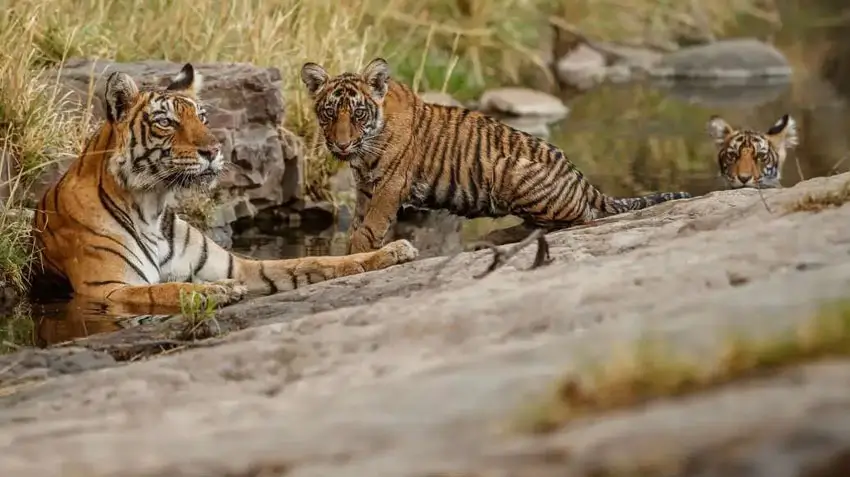
Ranthambore is not just another tiger reserve. It is one of India’s most visually dramatic wildlife landscapes where history, dry deciduous forest, ancient ruins and predators coexist in one cinematic frame. For serious photographers, understanding the best time to visit Ranthambore for photography is not simply about tiger sightings. It is about light quality, vegetation density, animal behavior, tourist flow, and seasonal texture of the landscape.
The character of Ranthambore National Park changes dramatically through the year. Golden grasslands, dusty summer haze, post-monsoon greenery and winter mist all create completely different visual stories. Choosing the right season depends on what type of wildlife photography you want to create: dramatic tiger portraits, environmental storytelling, bird photography, fort silhouettes, or safari action frames.
Ranthambore operates broadly from October to June. Each phase of the season influences your chances of capturing powerful wildlife photography in Ranthambore.
Winter months bring mild temperatures and softer tones. Morning safaris often begin with mist hanging over lakes like Padam Talao and Rajbagh Talao. The mist adds atmospheric depth to wide-angle shots, especially when the ruins of Rajbagh Palace emerge through fog. However, dense vegetation during early winter may reduce long-range visibility, making tiger tracking slightly more challenging.
As the season progresses toward late winter and early spring, vegetation thins out. This improves visibility around water bodies and forest trails. Photographers often find this period balanced: comfortable climate, good light, and improved tiger sighting probability in Ranthambore.
Summer transforms the park completely. The grass dries, water sources shrink, and wildlife movement concentrates near lakes and waterholes. From a photography perspective, summer offers the highest chance of close tiger encounters. The heat forces animals into predictable patterns. However, harsh sunlight and extreme temperatures require preparation and technical adjustments to avoid blown highlights and excessive contrast.
Post-monsoon reopening in October brings fresh greenery. The forest looks vibrant, lakes are full, and skies can be dramatically blue. While tiger movement may be slightly less predictable compared to peak summer, landscape photography is at its best during this phase.
Plan your photography tour at the right time to increase your chances of spotting tigers and capturing stunning wildlife moments. We help you choose the best season, safari zones, and expert guides for an unforgettable experience.
Chat On WhatsApp Contact UsPhotographers often debate whether winter or summer is better. The answer depends on your artistic goal.
Winter light is diffused, especially during early morning. The soft glow enhances fur texture in tiger portraits and reduces harsh shadows. Bird photographers particularly appreciate winter because migratory species increase diversity around water bodies.
Summer light, although harsh during midday, creates strong contrasts that emphasize muscle structure and dust particles in motion shots. When a tiger walks through golden grass under side light during late afternoon, the scene becomes intensely dramatic. The dryness of the forest produces earthy color palettes that are visually striking.
Understanding Ranthambore safari timing is essential for planning your shoot.
Morning safaris begin at sunrise. During winter, fog may add mystery but can reduce clarity. As the sun rises, warm side lighting becomes perfect for portrait photography. Animals are often active during early hours, increasing chances of dynamic frames
Evening safaris offer golden hour magic. The light becomes warm and directional, ideal for silhouette photography near lakes or fort backdrops. Evening drives also provide better dust-in-motion effects during summer.
For photographers, booking multiple safaris is advisable because wildlife photography depends on patience and repetition. A single drive rarely guarantees the desired frame.
Ranthambore is divided into multiple safari zones. While all zones have tiger movement, certain zones are historically known for scenic backdrops and frequent sightings.
Zones with lakes and ancient ruins offer layered compositions. Capturing a tiger walking past Rajbagh Palace ruins creates a storytelling frame that connects wildlife and heritage. Photographers targeting Ranthambore tiger photography often prefer zones that combine water bodies and open grassland for clean sightlines.
However, zone allocation is managed by the forest department, so flexibility is important. Rather than chasing a specific zone, photographers should focus on maximizing opportunities within the assigned area.
Ranthambore is not only about tigers. It is a thriving ecosystem hosting numerous bird species. Winter months attract migratory birds, making it ideal for bird photography in Ranthambore. Painted storks, kingfishers, owls and raptors offer diverse subjects.
Lakes such as Malik Talao provide opportunities for reflection shots. Early morning backlight creates rim lighting on birds perched near water. A telephoto lens combined with stable jeep positioning improves sharpness.
The imposing Ranthambore Fort sits atop a hill overlooking the park. Including the fort in wildlife frames creates depth and cultural context. During post-monsoon months, greenery enhances the dramatic contrast between stone walls and forest canopy.
Wide-angle photography works best during early morning when haze softens distant elements. Landscape photographers who enjoy storytelling compositions often favor October to February.
Get the most out of your wildlife photography trip with expert planning and timing. From the best safari zones to ideal seasons for tiger sightings, we ensure you enjoy a rewarding and memorable experience in Ranthambore.
Chat On WhatsApp Contact UsSummer temperatures can be extreme. Cameras can overheat if exposed to direct sunlight for long periods. Carrying lens covers, microfiber cloths and hydration supplies is critical. Dust protection becomes equally important because dry trails create airborne particles during jeep movement.
Professional photographers planning serious wildlife safari photography in India often carry dual camera bodies to avoid lens changes in dusty environments.
Because photography requires patience, booking multiple safaris across different days improves chances significantly. It is advisable to plan early, especially during peak season when Ranthambore safari booking demand is high.
Serious photographers sometimes plan morning and evening safaris on consecutive days to observe animal patterns. Guides and drivers with experience in tracking can increase success probability.
Ranthambore permits open for booking in advance. Photographers targeting peak winter or peak summer months should secure permits early. Last-minute planning can result in limited zone availability.
Staying near the park gate reduces travel time before sunrise safaris. Less travel means fresher energy and quicker entry into the zone. Luxury jungle lodges also offer early breakfast arrangements for photographers returning from morning drives.
Comfort during off-safari hours matters because photography days are long and physically demanding.
Maintaining distance from wildlife and respecting park rules is critical. Ethical photography ensures animals are not stressed. Flash photography is not permitted inside the park. Responsible behavior protects both wildlife and your professional reputation.
Ranthambore offers one of the highest chances of tiger sightings in India. The mix of lakes, ruins and dry forest creates visually diverse frames. For photographers seeking dramatic big cat portraits in natural habitat, Ranthambore stands among the top destinations.
Those planning a dedicated photography trip to Ranthambore National Park can seek personalized guidance, safari planning assistance, accommodation recommendations and zone strategy from Royal Rajasthan Travels. For professional consultation or tailored wildlife tour arrangements, you may directly connect with Vikas Khabrani at +91-9414046260 or email info.royalrajasthan@gmail.com. They can assist with safari reservations and photography-focused itineraries designed around light conditions and wildlife movement patterns.
Late winter and peak summer months generally offer better visibility and higher tiger movement near water bodies.
Winter provides soft light and comfortable climate, ideal for portrait and bird photography.
Summer concentrates animals near water sources, increasing chances of close encounters.
Morning offers softer light while evening provides dramatic golden hour tones.
Multiple safaris across two to three days improve the probability of strong wildlife frames.
Yes, professional equipment is allowed but flash photography is prohibited.
Zones with lakes and ruins are visually rich, though zone allocation depends on permit availability.
Yes, due to relatively high tiger density and accessible safari routes.
Standard safari permits allow photography; commercial filming requires additional permissions.
Private jeeps offer flexibility in positioning and more space for equipment handling.