India is often described as a destination that requires weeks, if not months, to understand. Its scale, diversity, and cultural density can feel intimidating to travelers working with limited vacation days. Yet, limited time does not mean limited experience. With thoughtful route selection, realistic pacing, and clarity of purpose, India can be deeply rewarding even on a short visit.
The key lies not in trying to see everything, but in choosing experiences that represent India’s complexity without overwhelming the traveler. The best India tour options for travelers with limited time focus on coherence, contrast, and continuity rather than sheer coverage.
Short India tours succeed when they are designed with intention.
India compresses history, culture, and geography into dense spaces. A single city can span centuries, belief systems, architectural styles, and social rhythms. Attempting to absorb too much too quickly often leads to fatigue rather than insight.
Limited-time travelers frequently make the mistake of copying long itineraries into shorter schedules. This results in rushed sightseeing, excessive travel hours, and shallow engagement.
A successful short India tour prioritizes depth over distance.
Whether you are planning a cultural journey, luxury holiday, wildlife safari, or a fully customized private tour, we help you discover India comfortably with expert planning and reliable local support.
Chat On WhatsApp Contact UsRoute design determines experience quality more than duration. Efficient routes reduce transit stress and preserve energy for exploration.
The most effective short itineraries cluster destinations geographically while maximizing cultural contrast. This approach allows travelers to experience different facets of India without constant relocation.
Smart routing also accounts for airport access, road conditions, and travel rhythms, ensuring that movement feels purposeful rather than exhausting.
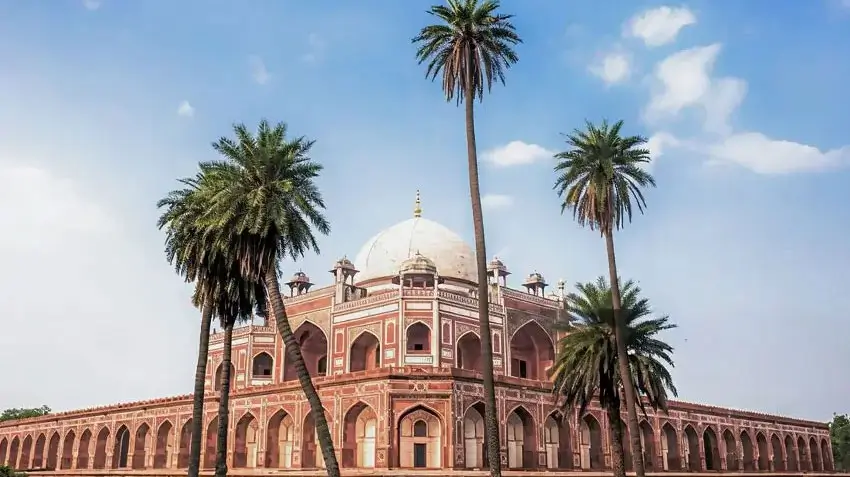
For first-time visitors, the Golden Triangle remains one of the best short India tour options. Linking Delhi, Agra, and Jaipur, this route offers political history, Mughal architecture, and Rajput royal heritage within manageable distances.
Delhi introduces layered history and contemporary India. Agra delivers emotional impact through monumental architecture. Jaipur provides visual richness and royal context.
This route works particularly well for travelers with limited time because it balances variety with logistical ease.
Rajasthan can be experienced meaningfully even on shorter itineraries when destinations are chosen carefully.
Jaipur paired with either Jodhpur or Udaipur creates a narrative arc that moves from planned capital to desert stronghold or lakeside elegance. This contrast illustrates how geography shaped royal identity across regions.
Short Rajasthan tours succeed when they limit destinations and allow space for atmosphere rather than constant movement.
Travelers seeking a calmer pace often find Kerala ideal for short visits. Compact geography allows access to backwaters, coastal landscapes, and hill stations without long transit hours.
A short Kerala itinerary emphasizes sensory experience rather than monument density. Houseboat stays, plantation walks, and coastal towns provide contrast to northern India’s intensity.
Kerala suits travelers prioritizing relaxation, nature, and cultural subtlety.
For travelers interested in spiritual depth, a focused visit to Varanasi offers profound insight in a short time.
The city’s rituals unfold daily along the riverfront, requiring observation rather than extensive travel. Even a brief stay provides exposure to India’s spiritual continuity.
This option suits travelers drawn to reflection, ritual, and human connection rather than sightseeing lists.
Mumbai represents modern India’s economic and cultural pulse. A short stay reveals colonial history, contemporary urban life, and coastal rhythm.
Combining Mumbai with nearby destinations creates efficient short tours without excessive transit. This route appeals to travelers interested in modern culture, art, and everyday life.
India’s wildlife destinations can be incorporated into short itineraries with careful planning. National parks located near major travel corridors allow travelers to add nature without logistical overload.
Wildlife-focused short tours emphasize quality safaris over quantity. Limited time works best when expectations align with ecological reality rather than guaranteed sightings.
Luxury travel enhances short itineraries by reducing friction. Heritage hotels, private transport, and curated experiences compress logistics while preserving depth.
Luxury short tours allow travelers to rest between experiences, making limited time feel expansive rather than constrained.
This option suits travelers who value comfort and efficiency equally.
Families traveling with limited time benefit from structured itineraries that balance engagement with rest.
Routes with minimal transit, comfortable accommodation, and interactive experiences work best. Heritage cities and cultural hubs provide educational value without sensory overload.
Family-friendly short tours focus on shared discovery rather than exhaustive coverage.
Solo travelers often manage short India tours effectively due to flexibility. Major tourist circuits and urban centers offer infrastructure and support.
Solo short tours work best when centered around one region rather than multi-state movement.
Accommodation choice significantly impacts short itineraries. Centrally located hotels reduce travel time. Heritage properties enhance immersion without additional sightseeing.
For limited-time travelers, accommodation becomes part of the experience rather than a functional necessity.
Short tours demand realistic travel planning. Domestic flights, early starts, and minimal backtracking preserve energy.
Over-ambitious schedules erode experience quality. Efficient transport supports relaxed exploration rather than constant recovery.
Limited time increases the importance of cultural awareness. Travelers who understand local norms adapt faster and experience less friction.
Short tours benefit from guided interpretation that accelerates understanding and reduces confusion.
Short tours force prioritization. By removing excess, they sharpen focus.
Travelers often remember short, intentional journeys more vividly than extended, rushed itineraries. India’s intensity rewards clarity.
The best short India tour aligns with traveler intent. History-focused travelers choose heritage circuits. Nature lovers choose landscapes. Spiritual seekers choose ritual centers.
Understanding personal priorities determines satisfaction more than destination count.
Trying to replicate long itineraries leads to exhaustion. Ignoring transit realities creates stress. Underestimating cultural density leads to overwhelm.
Short tours succeed when planners respect India’s scale rather than fight it.
From cultural sightseeing and luxury holidays to personalized private tours, we help you travel across India smoothly with reliable planning, comfort, and local expertise you can trust.
Chat On WhatsApp Contact UsIndia cannot be “done” in one trip. Short tours are not incomplete experiences. They are introductions.
Accepting this mindset transforms limited time into meaningful exposure rather than missed opportunity.
Yes, with smart route selection and realistic pacing.
The Golden Triangle offers the most efficient introduction.
Yes, it reduces friction and enhances comfort.
Yes, when designed with rest and engagement balance.
Yes, near major travel corridors.
Yes, especially in established tourist regions.
No, focused itineraries often increase depth.
Yes, fewer destinations create stronger experiences.
Yes, it accelerates understanding and efficiency.
Clarity of experience without exhaustion.