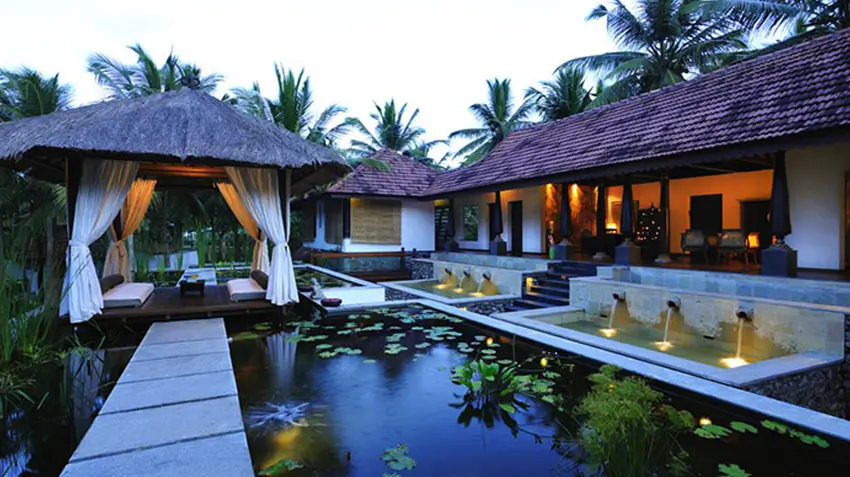
Ayurveda has long been associated with oil massages, herbal treatments, and tranquil backwaters in Kerala. For decades, international travelers viewed Ayurveda in Kerala as a gentle retreat experience — an escape from urban stress into coconut groves and monsoon rains. That perception is changing.
A new generation of European wellness travelers, particularly from Germany and Austria, approaches Ayurveda differently. They are informed, research-oriented, and medically conscious. Rather than booking based on imagery alone, they request documentation, therapist qualifications, hygiene audits, and clinical oversight details.
This shift has given rise to what can be described as Ayurveda 2.0 — a structured, medically supervised, evidence-informed wellness format that merges traditional healing with modern clinical standards.
For German and Austrian travelers accustomed to regulated healthcare systems, transparency is non-negotiable. They expect licensed physicians, documented treatment protocols, and clearly defined therapeutic outcomes.
Kerala, as the birthplace of institutional Ayurveda tourism, is adapting to meet these expectations. Luxury retreats now integrate diagnostic consultations, laboratory coordination, and customized therapeutic plans under medical supervision.
The era of purely aesthetic wellness marketing is fading. Clinical credibility is becoming central to high-end Ayurveda travel.
Germany and Austria have strong traditions in naturopathy, homeopathy, and holistic medicine. Their healthcare systems incorporate regulated alternative therapies alongside conventional treatment. As a result, travelers from these countries approach Ayurveda with scientific curiosity rather than blind faith.
They ask precise questions before booking:
When searching for clinical Ayurveda Kerala, travelers from these regions prioritize transparency over luxury décor. They want clarity on diagnosis methods, pulse reading accuracy, diet protocols, and contraindications.
Their expectations have pushed Kerala’s leading retreats to formalize procedures, document case histories, and incorporate medical reporting systems.
This evolution enhances credibility for all international guests.
Discover the benefits of Ayurveda and wellness travel with carefully planned experiences. From peaceful stays to holistic treatments, we help you create a journey focused on relaxation, balance, and well-being.
Chat On WhatsApp Contact UsA clinical wellness audit in the context of Ayurveda involves structured evaluation of operational standards. This includes physician credentials, sanitation protocols, therapy room hygiene, oil sourcing transparency, and emergency response planning.
Luxury Ayurvedic retreats increasingly provide:
German and Austrian travelers often request pre-arrival communication outlining their medical history, medications, allergies, and prior conditions.
The retreat’s response quality significantly influences booking decisions.
Clinical audits do not diminish tradition. They enhance trust. Ayurveda remains rooted in ancient texts, but its delivery adapts to global expectations.
Incorporating evidence-based screening processes reassures travelers who are accustomed to European medical oversight systems.
Kerala has long promoted itself as the epicenter of authentic Ayurveda retreats. Over time, competition increased. Not all centers maintained rigorous standards, which created skepticism among serious wellness travelers.
In response, premium retreats began investing in medical infrastructure. Full-time Ayurvedic doctors conduct initial consultations. Treatment rooms follow documented sanitation procedures. Diet plans align with therapeutic goals rather than generic vegetarian menus.
Luxury properties now include:
These elements reflect Ayurveda’s transformation into a medically structured wellness system rather than a spa add-on.
German and Austrian travelers respond positively to facilities that blend palm-fringed serenity with disciplined medical supervision.
Traditional Ayurveda emphasizes individualized diagnosis through pulse reading, tongue examination, and lifestyle assessment. Modern European travelers appreciate this personalization but seek clarity in explanation.
They expect practitioners to articulate why a particular oil, herbal decoction, or detox protocol is recommended. Transparent communication builds confidence.
Retreats offering written treatment summaries, dietary instructions, and post-visit recommendations strengthen long-term engagement.
Personalized diagnosis, when explained thoroughly, satisfies both tradition and scientific curiosity.
Hygiene remains central to clinical wellness credibility. German and Austrian guests often inspect treatment spaces visually. Clean linens, sterilized equipment, and organized storage influence perception immediately.
High-end retreats now maintain visible hygiene protocols. Oils are stored properly. Massage tables are disinfected between sessions. Therapists wear clean uniforms and maintain professional conduct.
Transparency extends to ingredient sourcing. Many guests inquire about herb cultivation practices and whether products meet pharmaceutical standards.
Such openness aligns Ayurveda with European wellness norms.
Modern Ayurvedic retreats in Kerala blend architectural elegance with clinical functionality. Treatment wings operate like calm medical clinics within resort settings.
Consultation rooms feature diagnostic tools alongside traditional decor. Therapy rooms maintain temperature control and sterilization standards without sacrificing ambiance.
Luxury suites allow privacy and recovery time between treatments.
This hybrid environment satisfies travelers who want comfort without compromising credibility.
Panchakarma remains one of Ayurveda’s most requested programs. However, European travelers increasingly seek clarity on contraindications and expected outcomes.
Clinically responsible retreats conduct pre-treatment screenings to ensure suitability. They adjust detox intensity based on medical background.
Documenting progress, monitoring vitals, and providing aftercare guidance transforms detox from ritual to structured therapy.
Such medicalization does not dilute Ayurveda. It protects both practitioner and guest.
Take a break from busy routines and focus on your well-being with thoughtfully planned wellness experiences. Enjoy peaceful stays, mindful travel, and a refreshing journey designed for relaxation and rejuvenation.
Chat On WhatsApp Contact UsBeyond physical detox, German and Austrian guests often pursue mental clarity and burnout recovery. Ayurveda retreats integrate meditation, breathwork, and yoga therapy under professional supervision.
Licensed counselors may assist with stress management frameworks.
Combining physical therapies with mental wellness support creates comprehensive healing.
This holistic integration resonates with European travelers accustomed to interdisciplinary healthcare.
Affluent travelers from Germany and Austria are willing to invest significantly in health optimization. However, they require measurable value.
Structured diagnosis, documented treatment plans, and credible practitioner credentials justify premium pricing.
Kerala’s ability to merge tropical beauty with medical discipline strengthens its position as a global wellness destination.
Luxury Ayurveda now competes with Swiss detox clinics and Austrian alpine wellness retreats on professional standards rather than scenery alone.
Advance medical history submission improves treatment planning. Guests should inform retreats about medications or chronic conditions.
Travel insurance that covers wellness travel adds security.
Seasonal timing influences comfort. Kerala’s monsoon season offers lush landscapes and therapeutic ambiance, while cooler months provide outdoor flexibility.
Choosing retreats with multilingual staff enhances communication.
It refers to clinically supervised, medically structured Ayurvedic wellness.
Their healthcare culture emphasizes documentation and regulation.
Reputable retreats employ certified practitioners.
Proper medical screening determines suitability.
Premium centers increasingly offer documentation
Leading retreats maintain strict sanitation protocols.
Interest is growing, particularly in Germany and Austria.
Programs typically range from one to three weeks.
Yes, especially in international-focused properties.
No, structured oversight can enhance traditional integrity.