Major global events reshape international travel patterns in ways that go far beyond host countries. When a country celebrates a milestone such as America 250, or hosts a massive sporting phenomenon like the FIFA World Cup, international air traffic surges dramatically. Travelers who already commit to long-haul journeys begin exploring multi-country extensions rather than returning home immediately.
Search intent patterns during large-scale events consistently include phrases such as luxury travel extension after World Cup, multi-destination long haul travel, and add India trip after USA event travel. These patterns reveal a strategic opportunity: converting event-driven travel momentum into structured South Asia itineraries.
For Rajasthan, this is not about mass tourism. It is about targeting high-spend, culturally curious travelers who are already in transit across continents. These travelers are time-sensitive, budget-flexible, and often seeking unique heritage experiences after attending crowded global events.
Positioning Rajasthan luxury stopovers as curated decompression experiences creates strong commercial potential. Instead of selling India as a standalone destination, it becomes the refined second chapter of a global travel narrative.
Travelers attending large global celebrations are emotionally stimulated but physically exhausted. Stadium crowds, urban congestion, hotel surges, and security-heavy environments create fatigue. After intense experiences such as the FIFA World Cup, many travelers seek calm, exclusivity, and personalized environments.
Search behavior supports this trend. Terms like quiet luxury travel after sports event, private heritage tours India, and desert retreat India rise following major events.
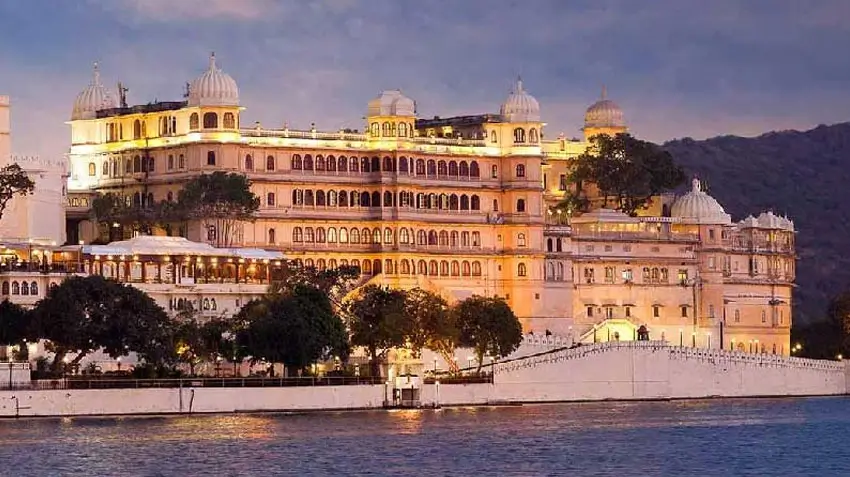
Rajasthan’s palaces, desert landscapes, and curated wildlife experiences align perfectly with this psychology. Instead of competing with global cities, Rajasthan offers contrast — silence instead of stadium noise, private courtyards instead of fan zones, candlelit heritage dinners instead of event food courts.
Travelers who invest in premium event tickets often belong to higher spending brackets. Offering ultra-luxury Rajasthan extensions tailored specifically for post-event decompression creates a refined market segment rather than a mass-market offering.
Witness the FIFA World Cup 2026 in the USA with exclusive travel packages. From match tickets and airport transfers to luxury stays and guided tours, we make your sports travel experience unforgettable. Let us handle all the details while you enjoy the game!
Chat On WhatsApp Contact UsOne of the strongest advantages in converting event traffic lies in aviation routing. Long-haul travelers attending events in North America or Europe often route through major international hubs such as Dubai, Doha, London, or Frankfurt.
India sits strategically within these long-haul corridors. Flights from the United States to Delhi or Mumbai connect smoothly via Middle Eastern or European hubs. For travelers already crossing continents, adding India increases total journey time marginally compared to returning home directly.
Search patterns such as add India after USA trip, multi country luxury itinerary, and India extension after Europe travel demonstrate increasing awareness among premium travelers.
Delhi and Mumbai offer seamless connectivity into Rajasthan’s heritage circuit. From there, private transfers or short domestic flights allow access to Jaipur, Udaipur, Jodhpur, and Jawai without logistical complexity.
The key lies in presenting Rajasthan not as a detour, but as a strategic continuation of global travel flow.
After high-energy global events, travelers often look for meaningful cultural immersion. Rajasthan’s architectural grandeur, centuries-old palaces, and living traditions provide depth that contrasts with event tourism spectacle.
Search demand around heritage palace stay India, private Rajasthan tour, and royal India experience continues to grow among long-haul travelers seeking authenticity rather than theme-park style attractions.
Rajasthan offers:
By framing Rajasthan as a cultural reset destination, travel planners shift focus from sightseeing to restoration. This approach resonates with travelers who want something intimate after high-intensity public events.
Global sports and national celebrations rarely provide nature-based experiences. Rajasthan’s proximity to wilderness regions allows strategic bundling of luxury leopard safari in Jawai, desert wildlife photography, and private conservation experiences.
Search queries such as private safari India luxury, leopard safari Rajasthan, and exclusive wildlife lodge India reveal high-intent travelers willing to pay premium rates.
Wildlife experiences serve as contrast therapy. Instead of event crowds, travelers encounter open landscapes. Instead of structured stadium seating, they experience free-roaming ecosystems.
Integrating Jawai luxury safari within a post-event Rajasthan extension adds exclusivity and rarity — two attributes global travelers increasingly value.
Travelers attending events such as the FIFA World Cup rarely seek standard group tours afterward. They expect personalization.
Search phrases like custom luxury India itinerary, private India extension tour, and bespoke Rajasthan experience demonstrate preference for tailored journeys.
Customization must move beyond surface adjustments. Instead of offering generic sightseeing circuits, itineraries should include:
The language should shift from “tour package” to identity-led itinerary, aligning experiences with traveler interests rather than predefined routes.
Not all event attendees represent the same travel potential. Premium ticket holders, hospitality suite guests, and international sponsors form a high-net-worth segment.
Search trends among this audience show interest in:
ultra luxury India travel
private charter to India
exclusive heritage stay Rajasthan
These travelers prioritize privacy, comfort, and brand reputation. Marketing Rajasthan as a sophisticated extension rather than a budget adventure preserves alignment with their expectations.
Strategic partnerships with international travel advisors and luxury concierge networks amplify visibility among this segment.
A structured seven-day format works well for long-haul travelers.
Each destination offers sensory contrast without overwhelming scheduling. Time-sensitive travelers benefit from efficient routing and private transfers.
The key lies in fluid transitions rather than crowded checklists.
Ready for an unforgettable trip to the USA? From flights and luxury stays to guided tours and VIP experiences, we take care of everything. Travel with comfort and ease, and enjoy your journey to the fullest while we handle all the arrangements.
Chat On WhatsApp Contact UsThe way Rajasthan is presented determines conversion success.
Instead of “India tour after FIFA,” the positioning should emphasize:
Language shapes perception. Travelers who just attended a global event do not want another spectacle. They want exclusivity and depth.
SEO targeting must reflect this nuance.
Event-driven travel often follows defined timelines. Marketing campaigns must activate months before peak event periods.
Search data shows spikes in multi country travel planning approximately six to eight months before major global events.
Offering structured Rajasthan luxury stopovers during this window captures early planners who prefer secure itineraries.
Flexibility clauses and premium concierge support further increase booking confidence.
Yes, India’s aviation connectivity makes multi-country extensions practical.
Five to seven days allow meaningful immersion.
Yes, palace hotels and private experiences cater to premium segments.
Yes, Jawai offers private leopard safari experiences.
Most nationalities can apply for e-visa prior to arrival.
It offers far quieter and more private environments.
Yes, private identity-led itineraries are recommended.
October to March offers optimal climate conditions.
Many operate within restored heritage properties.
Yes, particularly within structured luxury itineraries.