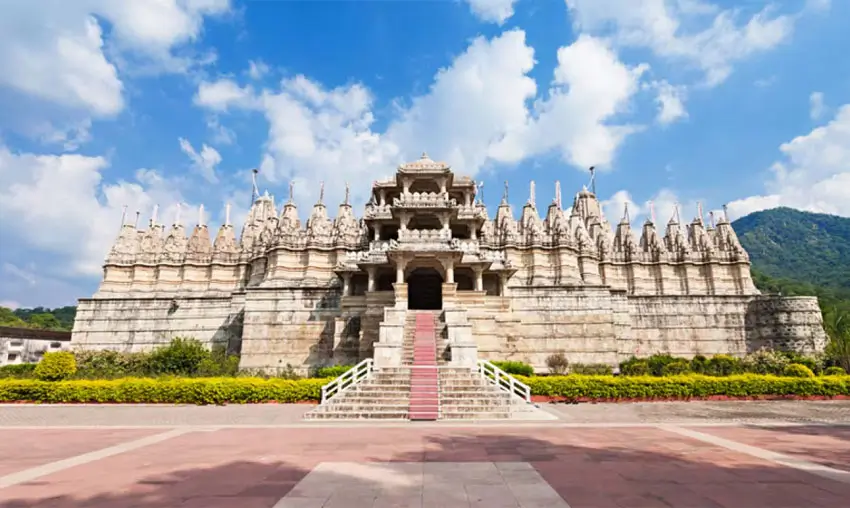
Rajasthan is widely celebrated for its forts and palaces, yet its most powerful stories live inside its temples — ancient sanctuaries carved from marble, desert shrines preserved by nomadic tribes, hilltop complexes that overlook valleys, and mystical sites that have shaped spiritual life for over a thousand years. These temples represent the emotional, artistic and devotional heart of the state. They capture the essence of Rajasthan’s soul, where faith merges with architecture, where rituals echo through stone chambers, and where history meets living traditions.
For travelers, Rajasthan’s temples offer a rare blend of silence, craftsmanship, spirituality and cultural connection. Unlike many destinations where temples act only as historical monuments, Rajasthan’s temples are alive — filled with daily rituals, chanting, incense, folk gatherings, festivals and community life. Exploring them with a private driver in Rajasthan makes the journey smooth and comfortable, especially because many temples lie deep inside rural belts, hills, ghat roads and remote settlements.
The diversity of Rajasthan’s temples is extraordinary. Jain marble temples with intricate carvings, Rajput-era shrines built inside forts, tribal temples worshipped by nomads, desert temples echoing with folk music, and lakeside sanctuaries surrounded by ghats each create a unique kind of spiritual encounter. These temples are not just places of prayer; they are masterpieces of architecture and emotion.
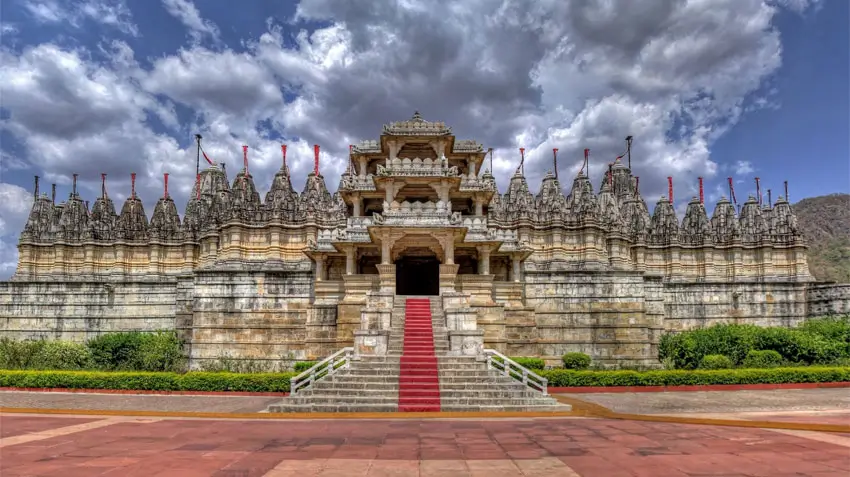
Hidden inside the Aravalli hills between Udaipur and Jodhpur lies Ranakpur Jain Temple, one of the most breathtaking architectural wonders of India. Made entirely from pale marble, the temple feels like a stone forest — with more than a thousand carved pillars, delicately chiseled ceilings, domes shaped like lotus petals and corridors that glow in natural sunlight. Every pillar carries a different carving, making the temple an endless gallery of devotional art.
The intricacy of Ranakpur’s architecture reflects the spiritual values of Jain philosophy — purity, balance, harmony and peace. The silence inside the temple feels meditative, especially as soft rays of light pass through marble screens and illuminate the detailed patterns on walls and ceilings. Travelers who appreciate fine craftsmanship, sculpture work and serene atmospheres often find Ranakpur life-changing.
Reaching Ranakpur requires navigating curving hill roads surrounded by forests — something a private driver handles with ease. The drive itself becomes a part of the experience, with scenic viewpoints and tribal settlements along the way.
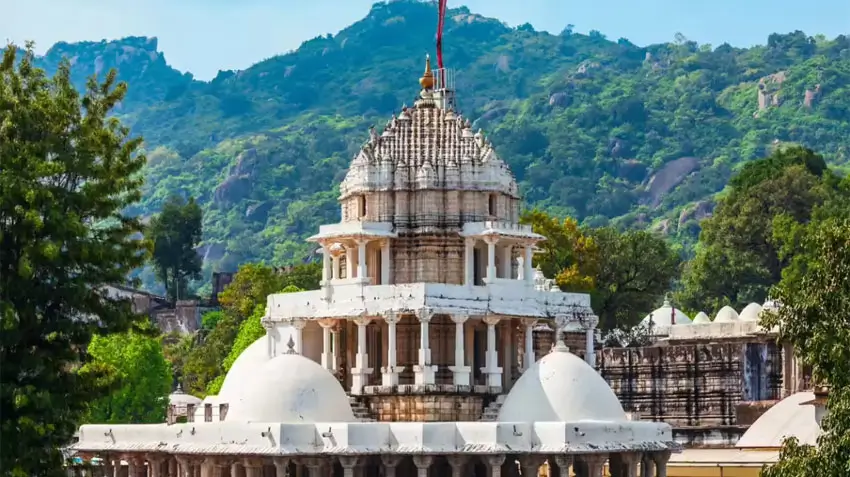
Situated near Mount Abu, the Dilwara Jain Temples represent the highest level of marble carving seen in Indian temple architecture. Built between the 11th and 13th centuries, the temples feature ceilings carved so intricately that they look like lace made from stone. The detailing on pillars, arches, domes and doorways is simply astonishing.
The temple complex includes multiple sanctuaries, each known for unique artistic themes — from lotus motifs to celestial dancers, from scenes of Jain deities to cosmic mandalas. The atmosphere is peaceful, cool and deeply spiritual, making it ideal for travelers searching for immersive cultural experiences.
Mount Abu’s winding roads require careful driving, and a private driver ensures a smooth ascent while sharing local stories of the temple’s origins and architectural legends.
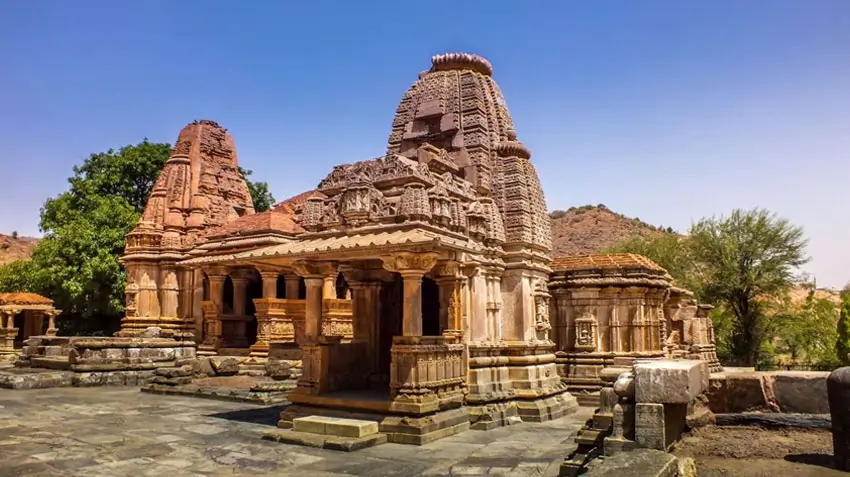
Located near Udaipur, Eklingji Temple is dedicated to Lord Shiva and serves as the royal family’s spiritual protector. The temple complex is built from grey stone, featuring multiple shrines, sculptures, fountains and courtyards surrounded by ancient walls. The main sanctum contains a four-faced black marble idol of Lord Shiva, symbolizing creation, protection, destruction and regeneration.
Visiting Eklingji during evening aarti feels deeply powerful — the sound of conches, the chanting of priests, and the glow of lamps reflect centuries of devotion. The temple holds immense emotional significance for the Mewar dynasty and remains one of the most active pilgrimage centers in Rajasthan.
Travelers often visit Eklingji along with Nagda Temple ruins nearby. The area includes narrow village roads and waterways best accessed with an experienced driver.
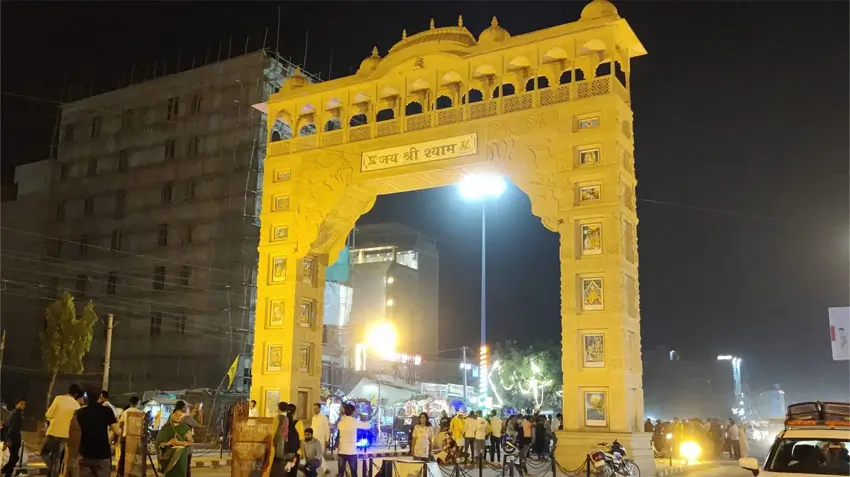
The Khatu Shyam Temple, located in the Sikar district, is one of the most important pilgrimage sites in North India. Dedicated to Shyam Baba, believed to be Barbarik from the Mahabharata, the temple attracts thousands of devotees daily. Its marble architecture, devotional music, colorful flags and spiritual energy create a lively yet deeply emotional atmosphere.
The temple’s corridors remain filled with chanting, offerings, folk rituals and joyful gatherings that form the core of Shyam Baba’s worship culture. Travelers visiting during festivals witness dazzling processions, drum performances and decorated chariots that transform the temple into a vibrant celebration of faith.
A private driver helps navigate the crowded approach roads and ensures smooth travel across the region’s busy rural highways.
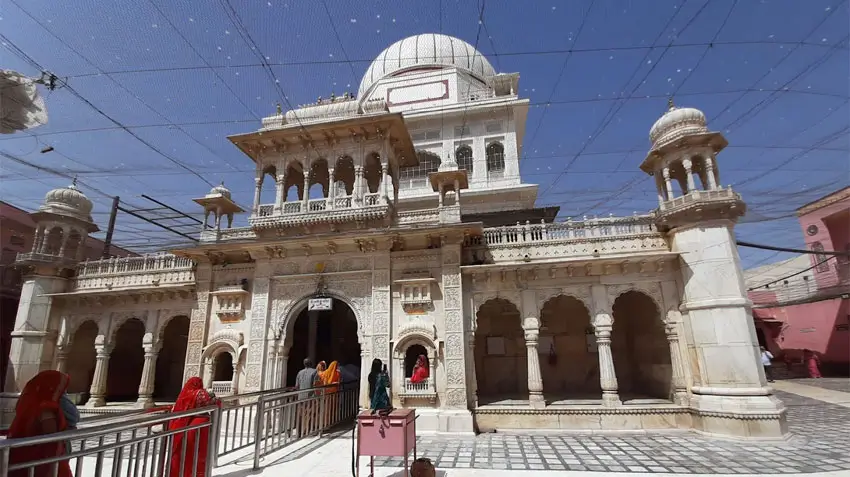
Located in Deshnok near Bikaner, Karni Mata Temple is one of the most unique temples in the world. Known as the “Rat Temple,” it is home to thousands of sacred animals considered protectors of the shrine. Local legends describe Karni Mata as a spiritual reincarnation with divine powers. The temple’s marble floors, silver doors and Mughal-style gates form a striking contrast with the quiet movement of the temple’s sacred animals.
Visitors find the temple surreal, symbolic and spiritually complex. It reveals the depth of Rajasthan’s belief systems and the ancient connections between humans, nature and divine forces. A driver familiar with Bikaner’s rural belt ensures a comfortable visit to this remote region.
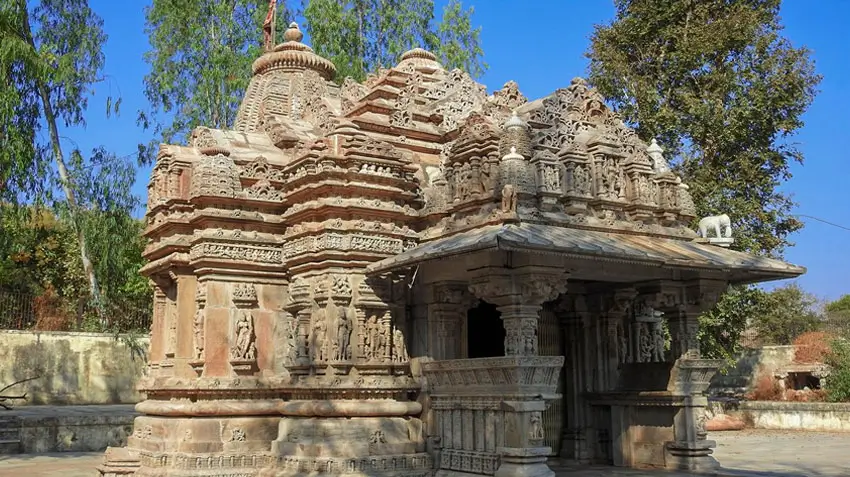
The Ambika Mata Temple near Jagat in Udaipur district is a hidden gem known as the “Khajuraho of Rajasthan” due to its exquisitely carved sculptures. The temple stands quietly within forested surroundings, far from crowds and commercial tourism. Its intricate carvings depict deities, dancers, guardians and cosmic symbols that reflect advanced artistic knowledge.
The temple’s peaceful environment and spiritual energy make it ideal for travelers seeking an offbeat cultural encounter. The rural roads leading to Jagat are narrow and scenic — best accessed with a knowledgeable driver.
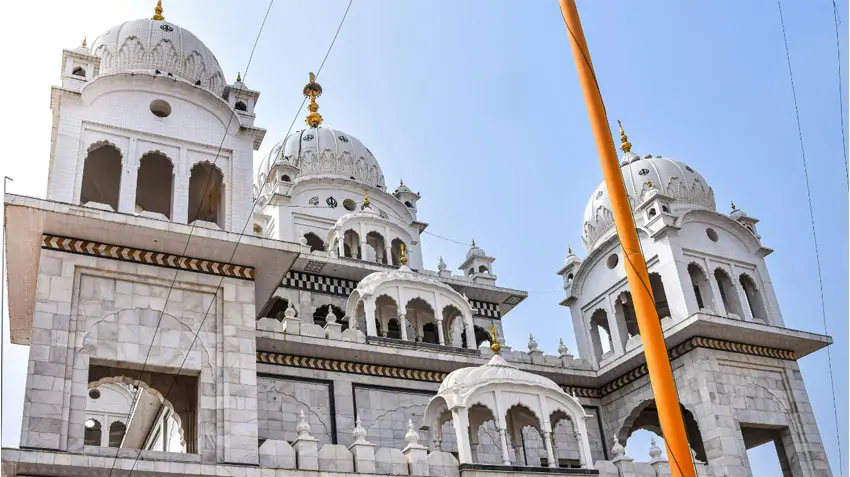
Pushkar is home to one of the world’s few temples dedicated to Lord Brahma, making it an extraordinary spiritual destination. The temple sits beside the sacred Pushkar Lake, whose ghats continue to host rituals, offerings, aarti ceremonies and pilgrim bathing traditions.
The Brahma Temple’s red spire, marble floors and ancient idols represent one of India’s oldest pilgrimage cultures. The surrounding town is filled with sadhus, musicians, incense stalls, cafes and colorful markets that create a spiritual yet vibrant atmosphere.
A private driver ensures comfortable access through crowded streets and helps travelers explore heritage sites around Pushkar Lake.
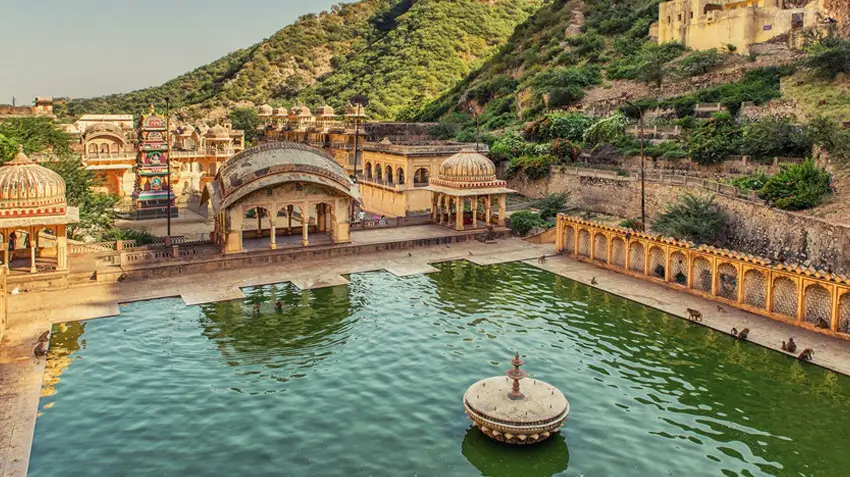
Often called the Monkey Temple, Galtaji is a beautiful pilgrimage complex set inside a natural valley near Jaipur. It includes multiple temples, sacred water tanks, frescoed gateways, sandstone passages and hilltop viewpoints.
The natural springs that feed the kunds add a serene charm to the surroundings. Early mornings at Galtaji feel particularly magical, with light reflecting off the water and chants echoing across the valley.
Galtaji requires navigating narrow road bends — something a local driver manages smoothly.
Located near the India–Pakistan border, Tanot Mata Temple combines spirituality with history. The temple gained fame after surviving shelling during war without a single shell exploding inside its premises — a story still narrated by the Border Security Force.
The desert drive to Tanot Mata passes through a landscape filled with dunes, border roads, military posts and silence stretching into the horizon. The journey feels spiritual and powerful, especially during early morning light.
Reaching Tanot safely is only advisable with an experienced driver who understands desert routes and military checkpoints.
South Rajasthan is home to Shri Rishabhdeo, a deeply revered pilgrimage site for both Jain and tribal communities. The temple’s environment blends devotion with rural culture — tribal families arrive with offerings of coconuts, rice, bananas and incense, creating a vibrant spiritual atmosphere.
The temple complex features stone pillars, open courtyards, colorful flags and murals painted by local artists. The combination of tribal energy, devotional practices and ancient architecture makes Rishabhdeo an extraordinary cultural encounter.
Navigating the tribal belts, forested valleys and rural roads becomes easier with a private driver who understands the region’s routes.
Temples in Rajasthan are not mere historic sites; they embody living heritage, where spiritual practices continue unchanged for centuries. Travelers experience chanting at dawn, incense-filled sanctums, artisan-carved pillars, tribal rituals, pilgrimage gatherings and peaceful landscapes where faith still guides daily life.
Exploring them with a private driver in Rajasthan ensures safe travel to rural regions, hidden temples, forest roads and remote hills — creating a smooth and meaningful cultural journey.
Ranakpur and Dilwara are unmatched for marble craftsmanship.
Yes, drivers know routes, parking and local customs.
Galtaji Temple lies just outside the city.
Ranakpur, Ambika Mata and Brahma Temple offer unique compositions.
Some are busy during festivals; many others stay peaceful.
Yes, except restricted inner sanctums in a few places.
Yes, it remains active with rituals and cultural life.
Karni Mata Temple stands out for its mythological significance.
Yes, with an experienced local driver.
Absolutely — many lie near villages and heritage belts.