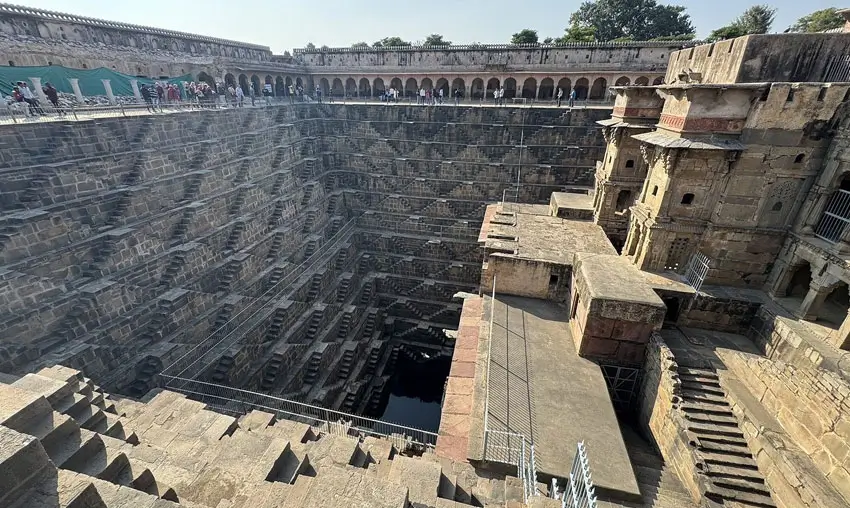
Rajasthan carries centuries of history beneath its palaces, forts and sandstone cities, but some of its greatest architectural wonders lie underground — in its magnificent stepwells, locally known as baoris or kunds. These extraordinary structures once served as water reservoirs, community gathering points, royal leisure spaces and engineering marvels that protected desert communities from harsh climates. What makes Rajasthan’s stepwells remarkable is their combination of geometry, symmetry, craftsmanship and architectural depth that transforms a simple water source into a visual masterpiece. Traveling through Rajasthan with a private driver makes visiting these remote, lesser-known stepwells easy, giving travelers a rare chance to experience India’s ancient engineering genius in its most authentic form.
The history of stepwells goes back more than a thousand years, when communities across Rajasthan relied on monsoon rainwater to survive through long dry seasons. To store water, local kings, queens and wealthy merchants commissioned massive wells carved deep into the earth, with steps descending several stories. These steps allowed people to walk down to the water level regardless of the season. Over time, stepwells evolved into social spaces where travelers rested, villagers gathered, merchants traded and pilgrims refreshed themselves. Their architectural detailing, symbolic carvings and mathematical precision show the sophistication of ancient builders who combined utility with grandeur.
Rajasthan’s stepwells vary by region — some are square with sharp geometric patterns, others circular with curved staircases, and many feature carved niches, shrines, pillars and arcades. Some remain popular tourist attractions, while others lie hidden inside rural villages, silent and untouched. Each stepwell tells a story of water scarcity, royal generosity, engineering brilliance and desert survival. With thoughtful planning and a knowledgeable driver, travelers can explore both famous and remote baoris safely and comfortably.
Before piped water, storage tanks and modern filtration systems existed, Rajasthan’s survival depended on large reservoirs built strategically across the region. Stepwells provided a climate-resistant, long-lasting way to store monsoon rainwater for daily use. Their design allowed people to descend deeper as water levels dropped during the summer. Every stepwell served as a lifeline, especially in desert regions where natural rainfall was limited and harsh winds evaporated surface water quickly.
Stepwells also played an essential cultural role. They became places where women gathered to collect water, where traders on camel routes rested, and where pilgrims found shade and coolness during their long journeys. Many stepwells include shrines dedicated to local deities, symbolizing the reverence communities held for water — a precious resource in arid regions. The architectural decorations—elephant carvings, floral motifs, dancing apsaras and intricate arches—reflect the artistic traditions of their time.
While palaces and forts represent power, stepwells represent survival. They show how communities, artisans and rulers adapted to desert life. Some stepwells were built by queens to support villages, others by wealthy merchants as acts of charity or devotion. These structures helped entire regions flourish, turning dry lands into sustainable settlements. Today, stepwells offer travelers a quiet space to appreciate Rajasthan’s engineering, art, history and ingenuity.
Planning your Rajasthan trip? Explore ancient baoris, stepwells, and hidden architectural gems with our expert-guided tours. Chat with us for itinerary help or contact our team for a custom quote.
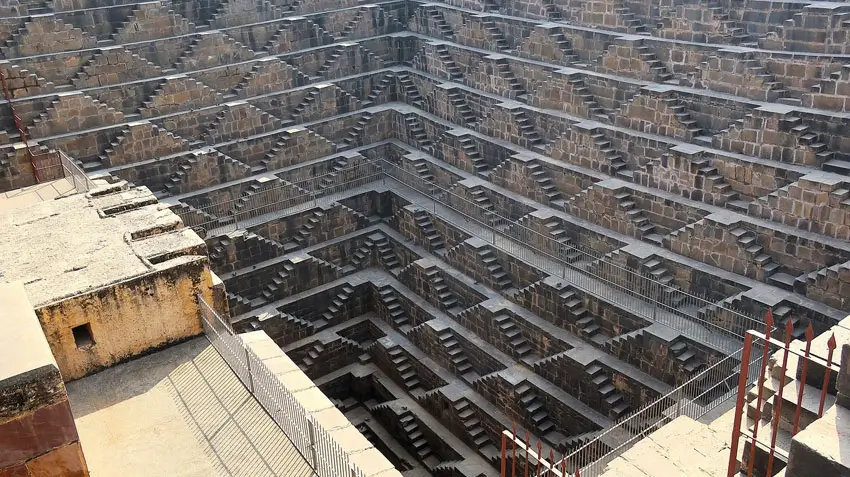
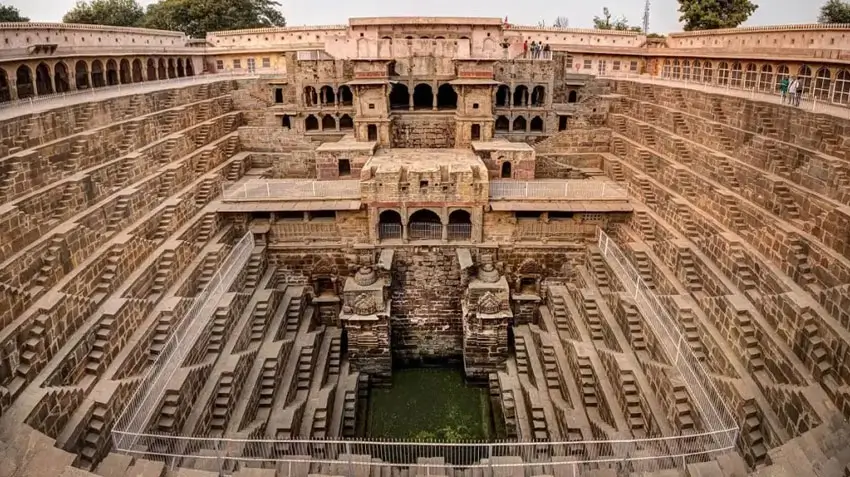
Located in Abhaneri, about 90 km from Jaipur, Chand Baori is the most iconic stepwell in Rajasthan and one of the deepest in India. Built over 1,200 years ago, it features approximately 3,500 narrow steps arranged in perfect geometric symmetry descending more than 13 stories. The triangular pattern of steps creates a stunning visual effect, especially when seen from the top, where the entire structure looks like an enormous inverted pyramid carved into the earth.
Chand Baori is not just immense in size; it is an architectural treasure. The stepwell was commissioned by local rulers to provide water to the region during dry seasons. At the bottom of the baori, the air remains significantly cooler, offering a perfect refuge during Rajasthan’s scorching summers. The nearby Harshat Mata Temple adds to the historical significance of the site, showcasing carvings that reflect the region’s rich cultural heritage.
Travelers visiting Chand Baori with a private driver enjoy comfortable access to this rural location, which lacks direct public transport. The drive takes you through peaceful villages, mustard fields and scenic countryside, making the approach as memorable as the stepwell itself. The driver also ensures you arrive early, avoiding crowds and capturing the perfect photographs of this architectural marvel.
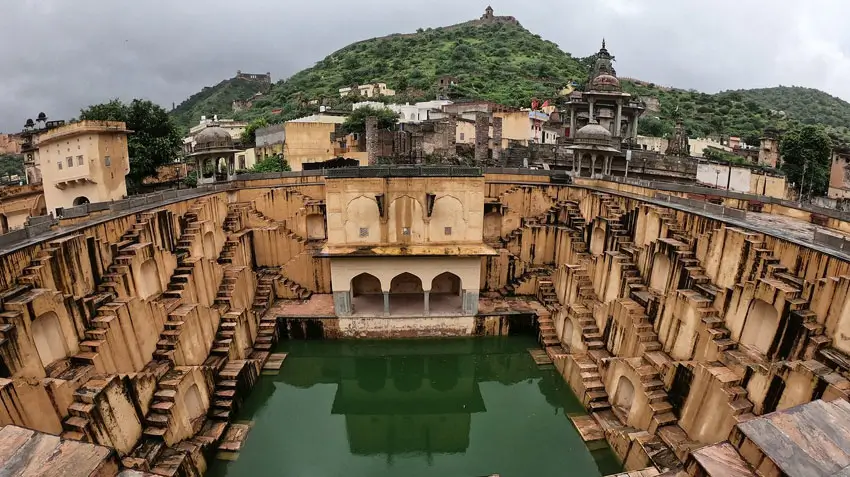
Tucked away near the Amer Fort in Jaipur, Panna Meena Ka Kund is one of the city’s most photogenic stepwells. Its crisscross zig-zag staircases and square-shaped layout create a mesmerizing geometric pattern that appeals to artists, designers and photographers. Unlike Chand Baori, Panna Meena Ka Kund is smaller but equally captivating due to its symmetry and historical significance.
This stepwell served as a community space where locals gathered to cool down, collect water and socialize. Even today, its peaceful ambience offers a break from Jaipur’s busy tourist routes. The surrounding arches, sandstone walls and pillared corridors reflect the charm of traditional Rajput architecture.
A Rajasthan tour driver ensures smooth navigation through Amer’s narrow lanes, bringing travelers directly to this hidden gem. Arriving early or during late afternoon light enhances the beauty of its geometric patterns, creating perfect photographic moments.
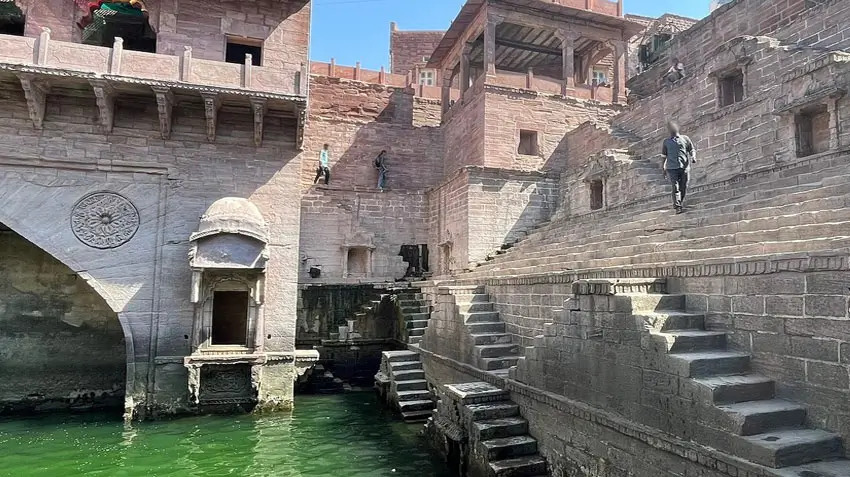
Jodhpur’s old city is home to Toorji Ka Jhalra, a beautifully restored stepwell originally built by a queen in the 18th century. The restoration brought back its original red sandstone brilliance, revealing steps, balconies, carved niches and layered terraces that descend deep into the ground. Today, the stepwell has become a cultural hotspot surrounded by cafes, boutique shops and heritage buildings.
Unlike many older stepwells, Toorji Ka Jhalra is still active and well-maintained, allowing visitors to appreciate its beauty up close. Women used to gather here for water rituals, and the stepwell played a crucial role in community life. Its design reflects Jodhpur’s architectural style, blending practicality with elegance.
Driving through the busy lanes of Jodhpur can be challenging for new visitors, but a private driver navigates the old city efficiently, ensuring you reach the stepwell without confusion. The contrast between Jodhpur’s blue houses and the warm tones of the stepwell makes this a must-see attraction.
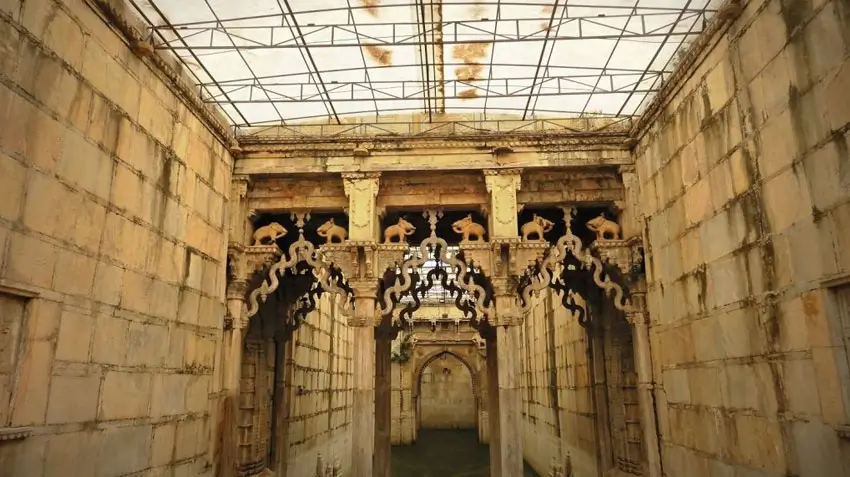
Bundi, often called the “City of Stepwells,” is home to dozens of baoris, but Rani Ji Ki Baori stands out as the most impressive. Built in 1699 by Rani Nathavati Ji, this stepwell features multi-story arches, carved pillars, elephant sculptures and spiritual motifs that resemble an underground palace. Its architecture is both elegant and powerful, with symmetrical steps leading down to a serene water tank.
The entrance of the baori is marked by grand pillars and deep corridors that highlight Bundi’s artistic excellence. Travelers who explore Bundi’s stepwells discover a hidden world of ornate water structures that remain lovingly preserved by the town’s heritage-conscious communities. Bundi is located away from major tourist routes, making travel with a private driver essential. The scenic drive from Kota or Jaipur includes forested hills, lakes and rural landscapes, offering a peaceful journey to one of Rajasthan’s most artistic towns.
Nagaur Fort hides some of Rajasthan’s least-known yet most atmospheric stepwells. These baoris are built inside fortified walls and ancient courtyards, giving them a mysterious and royal ambience. The dark stone passages, narrow steps and secluded chambers reflect Nagaur’s ancient engineering traditions.
Unlike other stepwells surrounded by public spaces, Nagaur’s baoris feel like secret sanctuaries. Their silence and depth create a unique travel experience where visitors can appreciate the architecture without crowds. A private driver ensures comfortable travel to Nagaur, which is not frequently visited by mainstream tourists but holds immense historical significance.
Discover ancient stepwells, heritage monuments, and offbeat gems with our experienced travel experts. Get personalized itinerary suggestions or talk to us for crafting your perfect Rajasthan holiday.
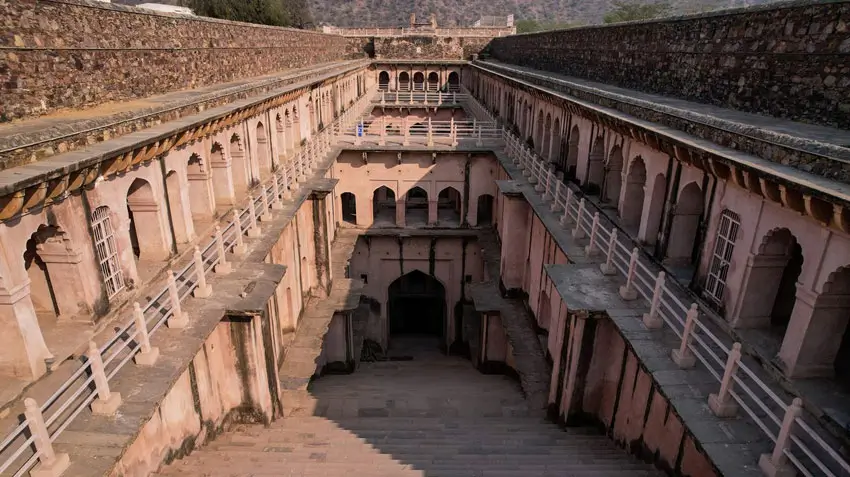
Close to the famous Neemrana Fort Palace lies a massive stepwell often missed by visitors — the Neemrana Baori. This multi-level structure extends nine stories underground, forming a dramatic visual descent into Rajasthan’s past. The stepwell features arched corridors, wide platforms and steep staircases that showcase early architectural precision.
What makes Neemrana Baori fascinating is its raw, untouched appearance. It retains a sense of abandonment and mystery, offering travelers an authentic glimpse into Rajasthan’s historical engineering techniques. The area is best visited with a private driver due to remote routes and limited public access.
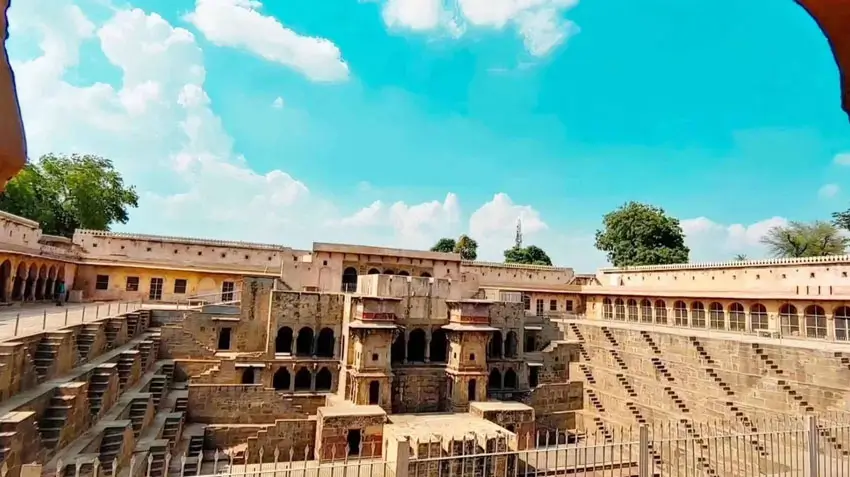
While Chand Baori draws thousands of tourists, the region around Abhaneri holds several lesser-known hidden baoris that remain untouched by tourism. These smaller stepwells reveal local architectural traditions and rural craftsmanship that often go unnoticed.
Driving through Abhaneri’s countryside with a private driver allows travelers to stop at villages where stepwells lie quietly between fields and old ruins. These locations are perfect for travelers who enjoy offbeat heritage exploration.
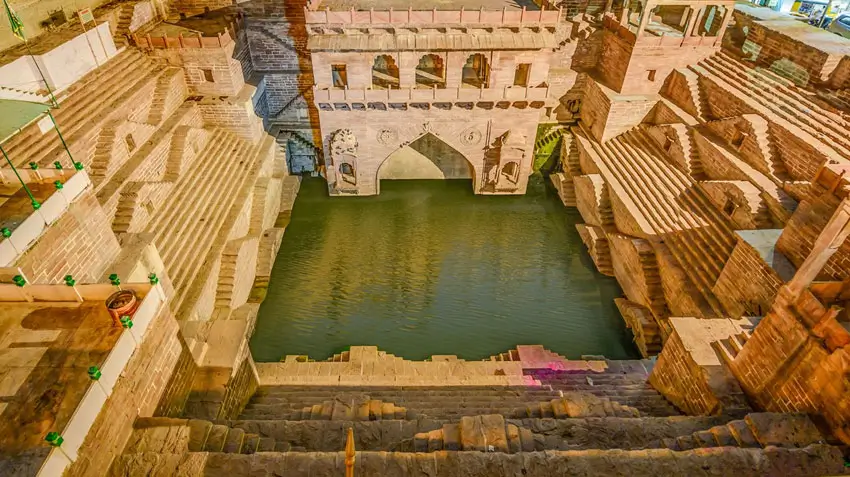
Inside and around the Mehrangarh Fort complex, several historic stepwells and water reservoirs blend seamlessly into the fort’s defensive architecture. These structures helped sustain the fort’s population during battles and long summers. Although not all are open to public access, some visible sections reveal the fort’s advanced water management system.
A driver familiar with Jodhpur’s heritage spots assists travelers in reaching these areas while navigating old city lanes and hill roads.
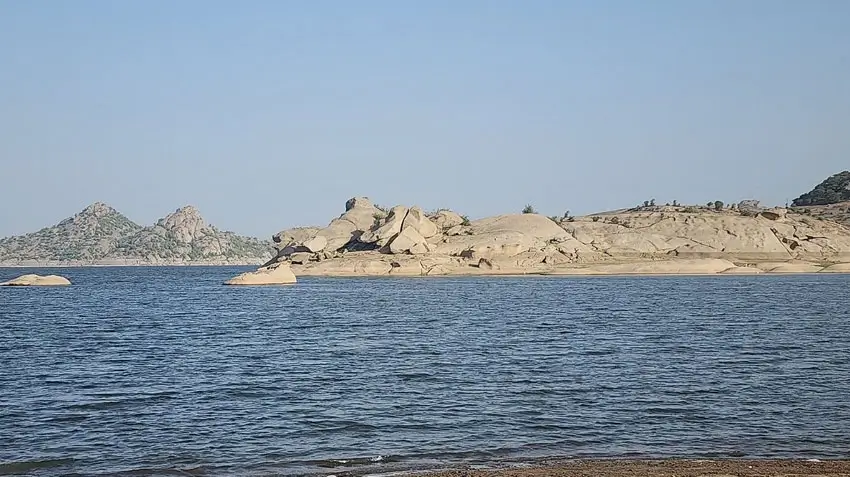
The villages around Jawai and Bera contain rustic stepwells built by local tribes where humans and wildlife co-exist. These baoris are simpler than royal structures but equally meaningful. Leopards often visit these water sources, and tribal traditions reflect a deep respect for nature.
Travelers exploring Jawai with a private driver enjoy rare access to these remote stepwells, providing insight into tribal life, water rituals and wildlife interactions.
Udaipur’s rural outskirts hide small, beautifully carved stepwells built into valleys, farmlands and village squares. These structures once supported local communities in managing water for agriculture and daily use. Their quiet environment and ancient stonework create peaceful spaces ideal for photography, meditation and cultural exploration.
A private driver familiar with Udaipur’s outskirts helps travelers navigate narrow rural roads, connecting them with stepwells that remain off the usual tourist map.
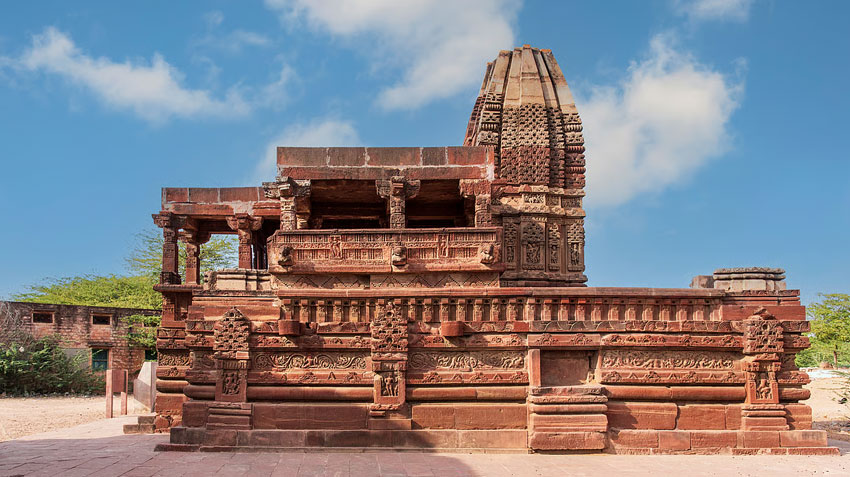
Osian, known for its ancient temples, is home to several small stepwells that supported pilgrims traveling through the desert. Their architecture is simple yet spiritually significant, offering cool shaded corners that once refreshed desert travelers. These baoris highlight how water structures supported religious life in medieval Rajasthan.
Drivers familiar with Osian’s temple circuit guide visitors safely across rural desert roads where public transport is limited.
Travel trends for 2026-27 show a rise in culture-focused travel, slow exploration, architectural interest and heritage photography. Rajasthan’s stepwells perfectly match these preferences by offering rare opportunities to experience history intimately. They provide cool, quiet spaces that contrast with busy cities and allow travelers to appreciate ancient design up close.
Exploring multiple stepwells with a private driver ensures comfortable travel, safe navigation through rural areas and access to remote baoris that would otherwise be unreachable. The variety in design, location and history makes stepwell exploration a deeply rewarding addition to any Rajasthan itinerary.
Yes, they are safe, but caution is advised around deep edges and narrow steps.
Chand Baori in Abhaneri is the most iconic and one of the deepest in India.
Most are free, though some charge a small entry fee depending on local management.
Yes, photography is allowed at almost all sites.
Some do seasonally, while others remain mostly dry but retain architectural beauty.
Panna Meena Ka Kund and Toorji Ka Jhalra are extremely photogenic.
Yes, private drivers know rural routes and ensure safe access to hidden baoris.
Most can be explored in 20–40 minutes depending on size and interest.
Entry is easy, but descending steps may be challenging for some visitors.
Absolutely — they fit perfectly with Jaipur, Jodhpur, Udaipur and Desert Circuit routes.