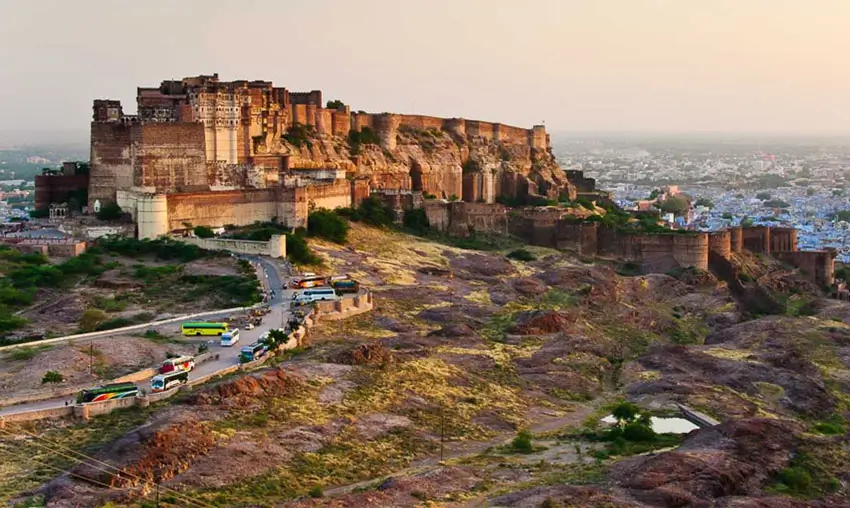
Rajasthan’s identity is built upon the grandeur of its forts, but the true richness of its military history lies far beyond the well-known giants like Amer, Mehrangarh and Jaisalmer Fort. Hidden across hills, deserts, forests and rural belts are ancient strongholds that once guarded trade routes, protected kingdoms, sheltered villages and shaped regional power for centuries. These lesser-known landmarks offer quiet corridors, untouched architecture and raw landscapes that reveal a more intimate side of Rajasthan’s heritage. With a private driver in Rajasthan, travelers can comfortably access these scattered jewels, many of which lie deep inside rural districts where public transport is limited and routes get confusing for first-time visitors.
Offbeat forts do not carry the crowds, commercial setups or tourist noise typical of mainstream destinations. Instead, they preserve their original atmosphere — silent courtyards, weathered gates, stone stairways, faded murals and scenic vantage points that create powerful moments of solitude. These forts showcase architectural experimentation, tribal stories, local craftsmanship and forgotten histories that shaped Rajasthan long before it became a global travel icon. Exploring them is like unlocking secret chapters of the past where raw beauty meets authentic culture.
What makes these forts special is not just their architecture but their environment. Many sit on remote hilltops overlooking valleys, lakes or desert plains. Others hide inside forest belts, old trade towns or abandoned settlements where life still follows ancient rhythms. These landscapes blend seamlessly with the forts, making each visit a complete sensory experience—wind humming through arches, birds nesting inside domed chambers, and sunlight glowing on centuries-old stone. For slow travelers and heritage lovers, offbeat fort exploration becomes one of Rajasthan’s most meaningful journeys.
-1764915610.webp)
Although Kumbhalgarh has gained recognition, it still remains significantly less crowded than its mainstream counterparts. The fort’s massive perimeter wall — often called the Great Wall of India — stretches across rugged hills for more than 36 kilometers, making it the second longest continuous wall in the world. Its hilltop location at over 3,500 feet offers sweeping views of the Aravalli ranges, tribal settlements and dense forests where leopards and wolves roam freely.
Exploring Kumbhalgarh reveals maze-like passages, watchtowers, massive gates, ancient temples and quiet courtyards that narrate stories of Rajput resilience. The fort’s remote location adds to its offbeat charm. A Rajasthan local driver maneuvers through curving hill roads and forest routes, ensuring safe arrival at viewpoints that regular travelers often miss. Sunset over Kumbhalgarh is one of Rajasthan’s most dramatic scenes — the sandstone turns orange while the wilderness below dissolves into a soft haze.
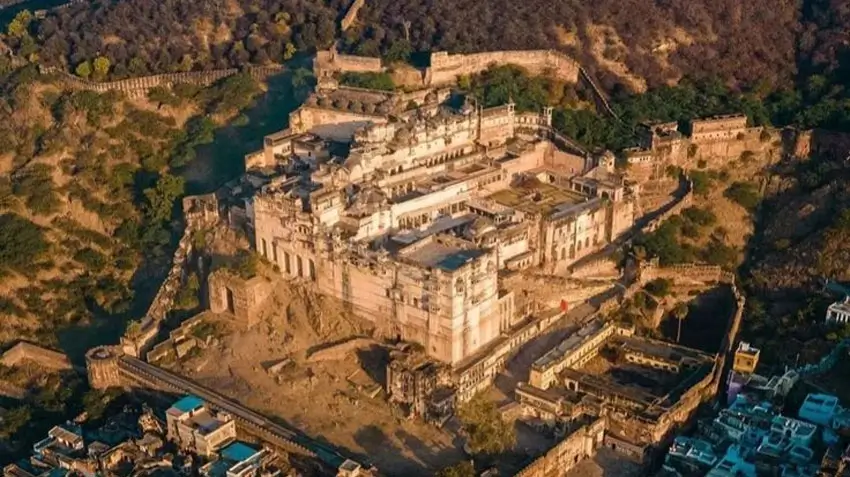
Perched above Bundi’s blue houses, Taragarh Fort remains one of Rajasthan’s most atmospheric and least-explored strongholds. While Bundi itself is a quiet heritage town, Taragarh feels like a journey into forgotten time. Its massive gateways, frescoed battlements, crumbling palaces and panoramic rooftop terraces offer an extraordinary sense of raw history. Inside the fort, travelers find secret tunnels, old military chambers, stepwells carved into the rock, ancient rainwater reservoirs and frescoes depicting royal life.
The quietness of Taragarh enhances its mystique. There are no crowds, no aggressive souvenir sellers, and no commercial noise — only the sound of the wind and echoes of history. A private driver becomes essential here because the steep ride up Bundi’s narrow hill paths requires local expertise, especially near sharp bends and slippery monsoon patches. Many travelers describe Taragarh as Rajasthan’s most underrated fort, a place where the soul of the region feels unfiltered and untouched.
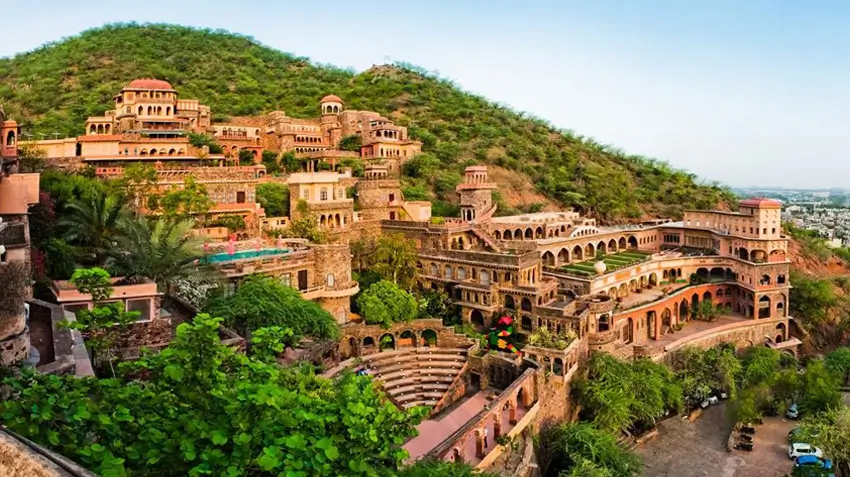
Neemrana Fort is not hidden, but it remains one of Rajasthan’s most offbeat heritage experiences because of its medieval architecture, terraced palaces and panoramic views across barren plains. Built in the 15th century, this fort-palace features layers of staircases, courtyards, fort walls, balconies and hanging gardens that cascade down a hillside. Travelers enjoy discovering the interconnected chambers, secret paths, arched windows and open terraces that feel like parts of an ancient maze.
What makes Neemrana unique is the way it blends rugged fort ambience with modern-day boutique heritage charm. A private driver helps travelers reach the fort comfortably via rural roads surrounding the Jaipur highway. The area around Neemrana also features ancient stepwells, forgotten havelis and quiet villages that enrich the experience for travelers seeking offbeat exploration.
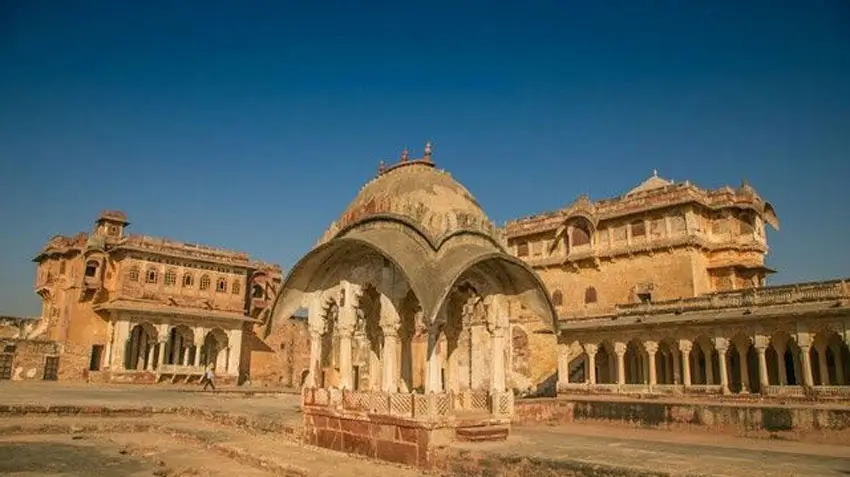
Nagaur’s massive Ahhichatragarh Fort is one of Rajasthan’s most beautifully restored but least-visited monuments. This enormous desert fort contains palatial gardens, painted chambers, Mughal-Rajput architecture, intricately adorned halls, arched courtyards and tranquil reflecting pools that showcase Rajasthan’s softer artistic vocabulary. Unlike Jaipur or Udaipur’s crowded palaces, Nagaur remains serene, allowing travelers to appreciate details like floral murals, carved pillars and polished sandstone floors.
The fort’s surroundings include salt lakes, old settlements and desert landscapes that add to Nagaur’s charm. Accessing the fort comfortably requires a knowledgeable driver familiar with the sparse road network and rural settlements between Jodhpur, Bikaner and Kuchaman areas. Nagaur’s authenticity and near-empty corridors make it ideal for heritage enthusiasts and photographers who seek peaceful exploration.
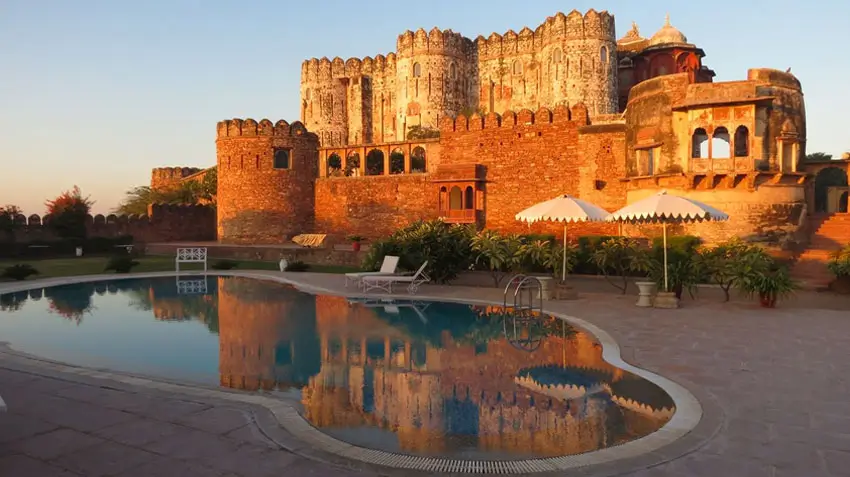
Far from mainstream tourist routes, Khejarla Fort stands as a red sandstone marvel surrounded by rural farmland, traditional mud houses and shepherd villages. Its bold Rajput architecture combines solid defensive walls with elegant arches, latticework windows and courtyards that reflect a noble past. The fort’s remote location adds a sense of adventure — the approach road passes through small villages, fields, grazing camels and traditional Marwari communities.
Inside Khejarla, travelers find royal suites, balconies overlooking farmlands, ancient shrines, spacious courtyards and stone stairways leading to towers that once guarded the region. A Rajasthan heritage driver helps navigate remote routes and gives travelers insight into the rural communities that still live around the fort. Khejarla’s authenticity lies in its peaceful ambience, making it a perfect getaway for those seeking heritage without crowds.
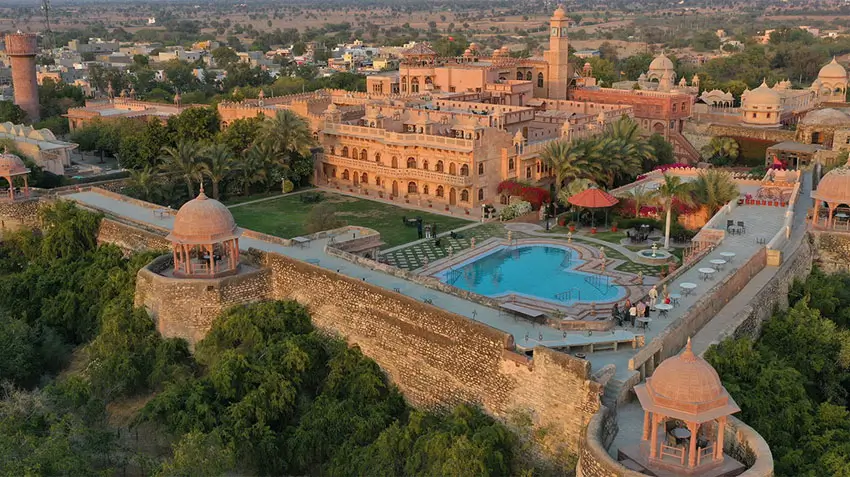
Located near Nagaur, Khimsar Fort offers a distinctive blend of desert silence, historical architecture and rural landscapes. Built in the 15th century, this fort features wide battlements, cylindrical bastions, grand courtyards, stone corridors and elegant heritage rooms. What sets Khimsar apart is the desert oasis located a short drive from the fort — a serene lake surrounded by dunes where blackbucks, desert foxes and migratory birds appear at dawn and dusk.
Accessing this heritage belt requires navigating rural desert roads and isolated landscapes. A private driver familiar with Nagaur’s sandy routes ensures safe travel through shifting dune paths and hidden wildlife spots. Khimsar Fort brings together tranquility, heritage and nature in a way that feels uniquely offbeat.
One of Rajasthan’s least-visited forts, Mandalgarh is perched high on a rocky mountain with sweeping views of the Banas river valley. The fort spans a massive area and features war towers, crumbling gates, old palaces and pathways that carry echoes of historical battles. Its remote location keeps it untouched, offering solitude and raw beauty that many travelers find deeply rewarding.
Driving to Mandalgarh can be challenging without local knowledge due to winding hill roads and rural junctions. A private driver navigates these routes confidently, making the journey safe and enjoyable. The dramatic landscapes surrounding Mandalgarh — forests, river plains, tribal villages and rugged cliffs — make it one of Rajasthan’s most dramatic offbeat forts.
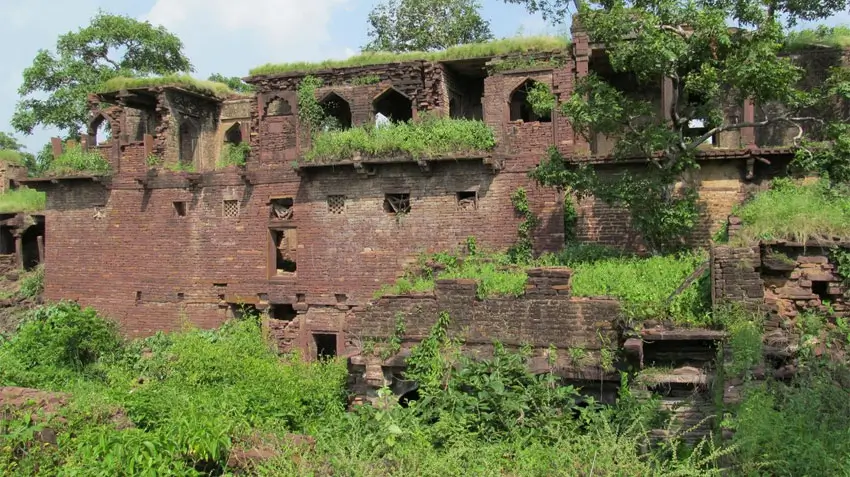
Located near Ranthambore, Khandar Fort stands as a majestic ruin rising above dense forests and rural fields. Its location on a rocky hill gives it a commanding view of the countryside. The fort’s seven massive gates, battle-worn walls, ancient palaces, dungeons and temples tell stories of Rajput valor and Mughal conflict.
The route to Khandar passes through small villages, narrow roads, farmlands and forest edges — making a private driver essential for navigation. The fort’s raw, untouched ambience attracts heritage explorers who seek authenticity over commercial tourism. Since Khandar lies outside the main Ranthambore safari zone, it remains a peaceful heritage gem that reveals the fierce history of Rajasthan’s warrior clans.
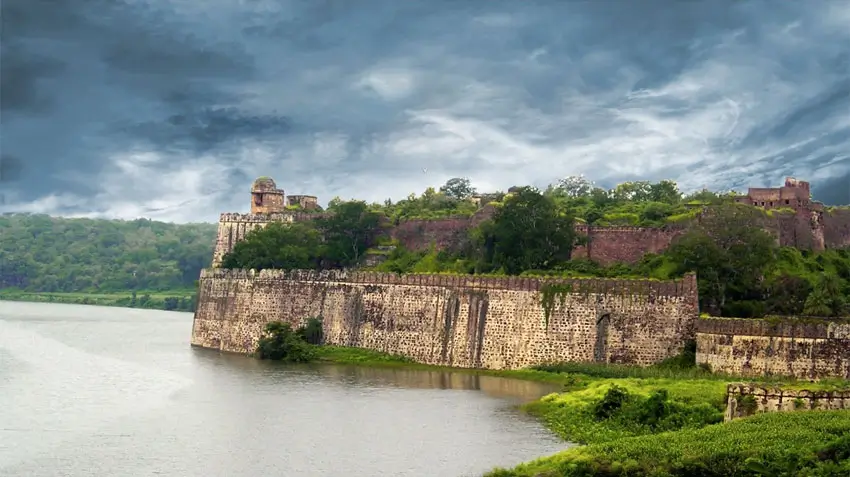
Shergarh Fort, located in Baran district, is an isolated hilltop treasure with grand gateways, old temples, watchtowers and sweeping vistas of river valleys. Built as a defensive outpost, the fort offers a mesmerizing blend of nature and architecture. Its remote setting creates an atmosphere of mystery and introspection.
The journey to Shergarh requires traveling through forest belts, winding rural roads and tribal villages. A Rajasthan tour driver helps travelers reach the fort without confusion, especially in areas with poor mobile signals. The untouched beauty of Shergarh makes it ideal for photographers and travelers seeking authentic exploration away from mainstream routes.
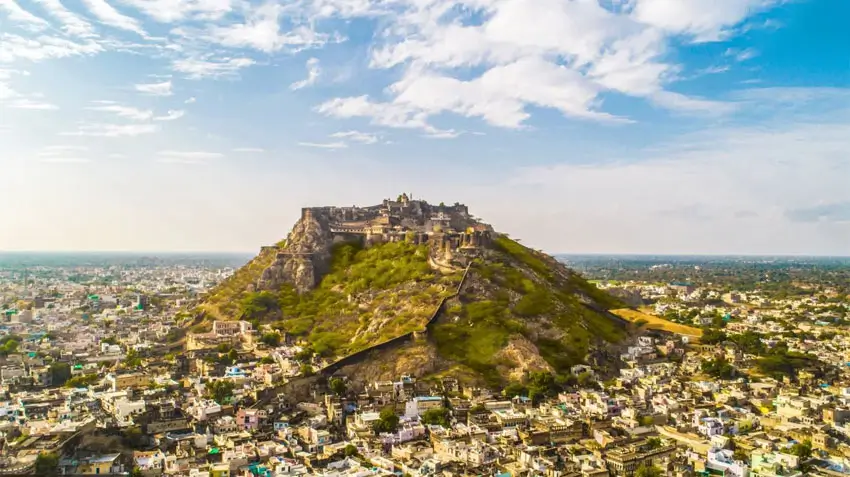
Kuchaman Fort, located in the Nagaur region, is one of Rajasthan’s most impressive offbeat hill forts. Built atop a steep mountain, it features painted halls, royal suites, massive gates and panoramic terraces overlooking the Thar plains. The fort’s interiors are decorated with antique weapons, frescoes, ornate carvings and traditional artwork.
Reaching Kuchaman requires driving through rural settlements and ascending steep, narrow roads — a task best handled by an experienced driver. The combination of stunning architecture, hilltop views and tranquility makes Kuchaman ideal for heritage travelers looking for offbeat royalty.
Jalore Fort, located in southern Rajasthan, is one of the region’s most powerful medieval strongholds. Sitting atop a rugged granite hill, the fort commands breathtaking views of the surrounding desert and farming belt. The steep climb, massive walls, old temples and strong defensive structures highlight its importance in Rajput military history.
The roads leading to Jalore pass through tribal areas, rural villages and agricultural fields. A private driver ensures safe and efficient navigation to this remote destination. Jalore Fort remains one of Rajasthan’s most authentic heritage experiences.
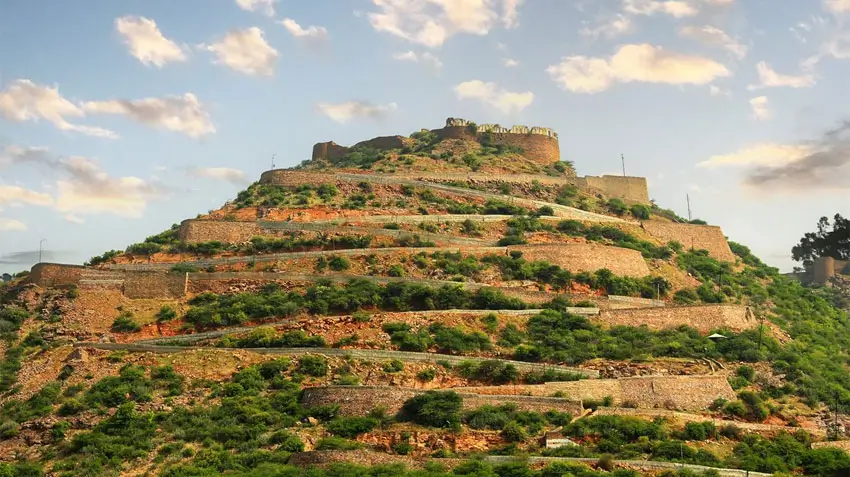
Ajmer’s lesser-known hill forts and shrines in the Taragarh range showcase unique Hindu-Islamic architecture, old gateways, hidden chambers and panoramic hilltop routes. These forts lie outside crowded city centers and require careful navigation through steep mountain paths. A driver well-versed in Ajmer’s geography ensures safe passage to these historically rich spots.
Travelers enjoy peaceful walks, scenic photography and untouched heritage structures reflecting centuries of cultural synthesis.
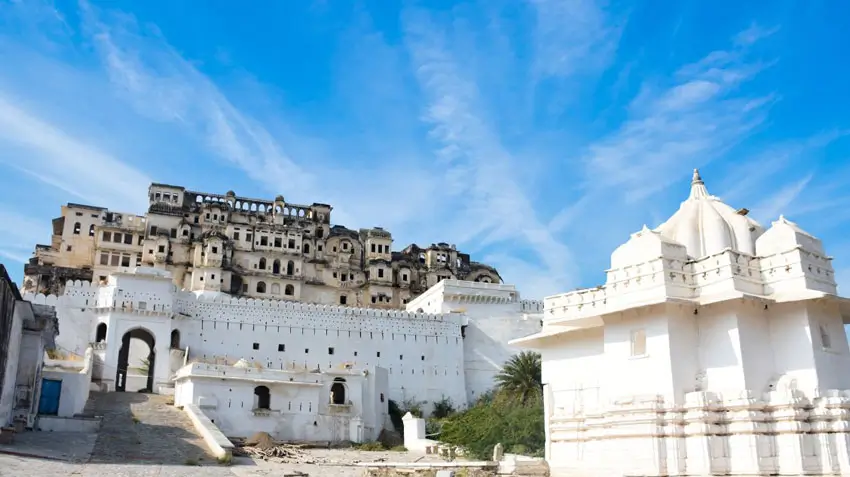
Badnor Fort, located in Bhilwara district, lies in a region untouched by mass tourism. Its ancient stone walls, village pathways, tranquil lakes and traditional Rajput architecture create a peaceful experience. The area is surrounded by rural settlements where travelers witness tribal culture, farming traditions and local crafts.
Reaching Badnor Fort comfortably requires navigating rural roads that lack proper signage. A private driver becomes essential, ensuring smooth travel while providing insights into the surrounding culture.
Travelers today seek heritage beyond crowds — places where stories remain preserved in silence, architecture stands untouched and landscapes maintain their raw beauty. Rajasthan’s offbeat forts offer all of this in abundance. Each fort provides a distinct identity: desert outposts, forest fortresses, hilltop palaces, tribal regions and abandoned warrior kingdoms.
Exploring them with a private driver in Rajasthan ensures comfort, safety and access to remote areas while giving travelers a chance to enjoy authentic heritage in its most intimate form.
Yes, they are safe when visited with a knowledgeable driver familiar with rural routes.
Kumbhalgarh, Mandalgarh and Jalore offer exceptional panoramic views.
Some charge minimal fees, while others are free.
Some require rural navigation, making a private driver essential.
Yes, photography is allowed at all locations.
Neemrana Fort and Taragarh (Ajmer) are closest to Jaipur.
Guides are available in some locations; drivers also help with local insights.
Nagaur, Bundi Taragarh, Kuchaman and Khimsar are excellent choices.
Yes, they can be integrated into any custom itinerary with a private driver.
No, most offbeat forts remain peaceful and lightly visited.